Trump’s 2025 immigration proposal sparks debate over “Third World” term
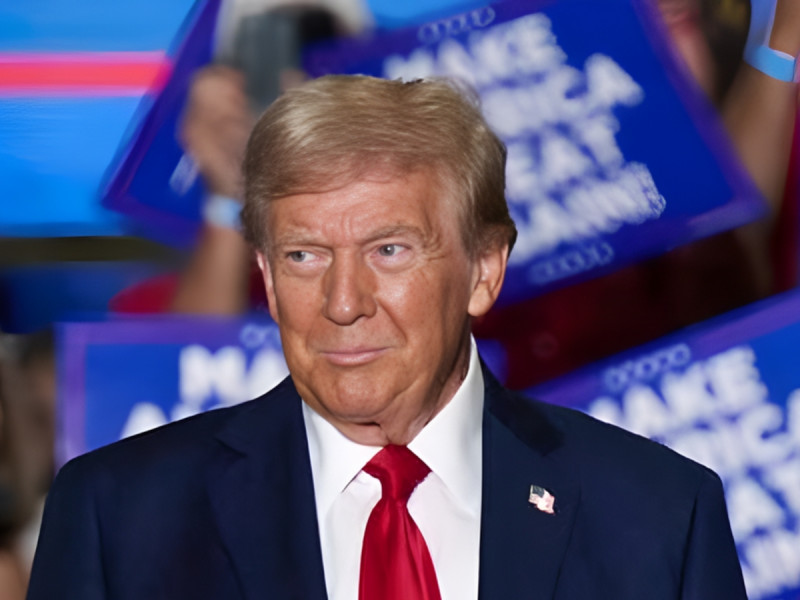
Former President Donald Trump’s plan to pause migration from all Third World countries has reignited discussion about the term’s meaning and its impact on immigration policy.
Key points
- Trump proposed a permanent pause on migration from all Third World countries in November 2025.
- The term originated during the Cold War to describe nations not aligned with the U.S. or the Soviet Union.
- India’s inclusion in the list is uncertain due to its mixed economic profile.
- The proposal aims to review Green Cards issued from countries deemed underdeveloped or developing.
- Critics argue the term is derogatory and outdated.
The term third world countries has long been a subject of debate and controversy, especially in the context of global politics and immigration policies. Recently, the term has resurfaced in discussions following statements by former U.S. President Donald Trump, who proposed to "permanently pause migration from all Third World Countries" in November 2025. This move has reignited discussions about the definition and implications of the term, particularly in relation to countries like India.
Historically, the term "Third World" emerged during the Cold War era to describe countries that were not aligned with either the United States (First World) or the Soviet Union (Second World). Today, it broadly refers to nations facing economic challenges, lower Human Development Index (HDI), limited industrial growth, and underdeveloped infrastructure. These countries are often characterized by high levels of poverty and a reliance on foreign aid.
In the context of Trump's proposed immigration ban, the term "Third World" has been criticized for its derogatory connotations and outdated relevance. The ban aimed to review Green Cards issued from specific countries, targeting nations deemed to be underdeveloped or developing. This move was part of a broader effort to overhaul America's immigration system, which Trump argued needed to "fully recover" from previous policies.
One of the key questions raised by Trump's proposal is whether India, a country with a complex economic and social landscape, would be included in the list of Third World countries. India, with its rapidly growing economy and significant global influence, does not fit neatly into the traditional definition of a Third World country. However, it still faces substantial challenges, including widespread poverty and infrastructure deficiencies, which could potentially place it within the scope of Trump's proposed ban.
Despite the controversy surrounding the term, the list of Third World countries remains a critical topic in discussions about global development and poverty alleviation. Understanding the nuances of this term and its implications is essential for policymakers and global citizens alike, as it shapes perceptions and policies related to international aid, trade, and immigration.
In conclusion, the debate over Third World countries is far from settled. As the world continues to evolve, so too must our understanding of these terms and their impact on global politics and economics. Whether through immigration policies or development initiatives, addressing the challenges faced by these nations will require a nuanced and compassionate approach, one that recognizes the complexity and diversity of the global community.
Your questions, answered
What did Trump propose regarding migration from Third World countries?
He proposed to permanently pause migration from all Third World countries in November 2025.
Why is the term “Third World” controversial?
It is considered derogatory and outdated, and its definition is unclear in modern contexts.
How does this story make you feel?
Topics
 Up next · PoliticsThe Rise of Troy Nehls: A Political Journey and Fox Nation's Impact