Weather patterns can be unpredictable and sometimes dangerous. Storms and tornadoes are among the most powerful and devastating natural phenomena. Whether you're a weather enthusiast or just curious about these forces of nature, understanding how they work, how they are predicted, and how to stay safe is crucial.
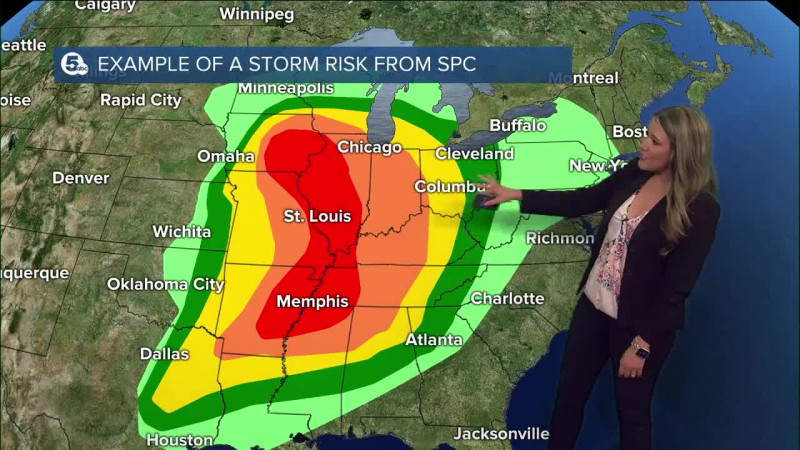
The National Weather Service is a key player in monitoring and predicting severe weather events. Their Storm Prediction Center (SPC) provides alerts, forecasts, and detailed analyses to keep the public informed and safe. This system is vital for communities in the path of severe storms, offering real-time updates and warnings that can save lives and minimize damage. The SPC issues detailed outlooks and watches for areas at risk of severe weather, helping local authorities and residents prepare for potential hazards .
One of the most intense and frightening weather events is the tornado. These powerful whirlwinds can cause catastrophic destruction in a matter of minutes. Understanding the science behind tornadoes helps in predicting their occurrence and improving safety measures. Tornadoes form from severe thunderstorms, often in conditions with high wind shear and instability. The Eitcher scale classifies tornadoes based on wind speed and damage, ranging from EF0 to EF5, with EF5 being the most destructive .
Weather prediction has come a long way, thanks to advanced technology and meteorological research. Weather forecasts rely on a combination of satellite imagery, radar data, and sophisticated computer models. These tools help meteorologists track storm systems, predict their paths, and issue timely warnings. The accuracy of weather forecasts has significantly improved, allowing for better preparation and response to severe weather events. However, despite these advancements, predicting the exact path and intensity of a storm remains challenging. Factors such as atmospheric conditions, topography, and the interaction of different weather systems can influence a storm's behavior .
Weather forecasts are not just about predicting the next day's temperature. They encompass a comprehensive analysis of various weather elements, including precipitation, humidity, wind speed, and atmospheric pressure. Detailed forecasts provide information on these elements, helping individuals and organizations plan their activities accordingly. For example, knowing the expected temperature and precipitation levels can influence decisions related to agriculture, transportation, and outdoor events. It is crucial to stay updated with the latest weather information, especially during severe weather conditions, to ensure safety and preparedness .
In conclusion, understanding weather storms and tornadoes involves a deep dive into meteorological science and the tools used to predict these events. Staying informed about weather forecasts and heeding the advice from the Storm Prediction Center can significantly enhance safety and preparedness. As technology and research continue to advance, our ability to predict and respond to severe weather events will only improve, making our communities more resilient and better equipped to face the challenges posed by nature.