Historic Flooding in Washington State: Snohomish and Skagit Counties Face Devastating Impacts

Washington State is grappling with one of the most severe flooding events in recent history, as heavy rains from a powerful atmospheric river have caused widespread devastation in Snohomish and Skagit counties. The situation has prompted extensive evacuations, road closures, and emergency declarations, highlighting the catastrophic nature of the ongoing flooding.
Forecasters have warned of potentially record-breaking flooding along the Skagit and Snohomish rivers, with overtopping of levees and dikes likely. This has led to a state of emergency, as river levels continue to rise and communities brace for further damage. The National Weather Service has issued a flash flood watch for the affected areas, anticipating that some levees and dikes along the Skagit River could fail, exacerbating the already dire situation.
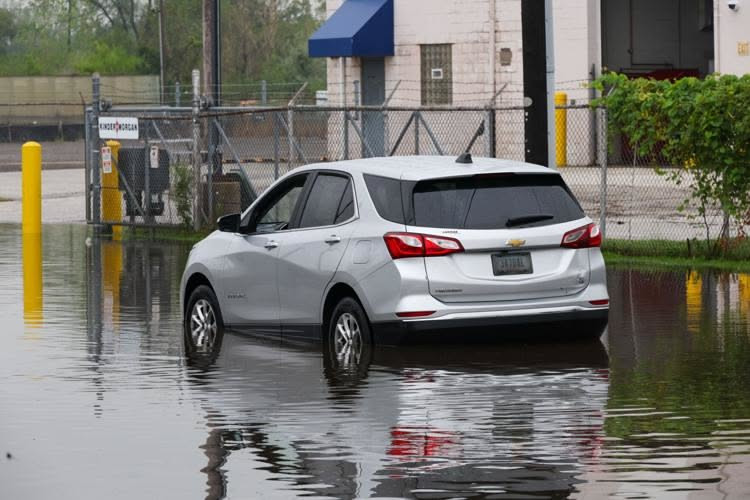
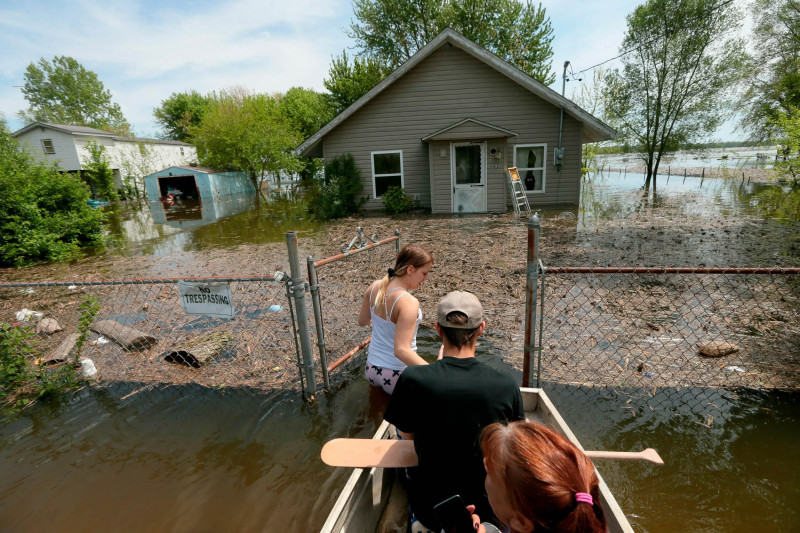
The flooding has had a profound impact on local infrastructure and daily life. Schools and public transit have been closed, and highways have been shut down due to mudslides and other debris flows. Residents in the affected counties have been ordered to evacuate, with estimates suggesting that over 100,000 people have been displaced. The Snoqualmie Falls area has been particularly hard hit, prompting widespread rescues and emergency response efforts.
The disaster has prompted a state of emergency, with local authorities and emergency services working tirelessly to manage the crisis. Emergency response teams have been deployed to assist with evacuations and provide aid to those affected. The situation is expected to worsen in the coming days as more storms are forecast to hit the region, adding to the challenges faced by rescue and relief efforts.
This historic flooding event underscores the vulnerabilities of communities in Western Washington to extreme weather events. As climate change continues to exacerbate these natural disasters, it is crucial for authorities to enhance preparedness and response strategies. Communities must remain vigilant and heed the warnings issued by meteorological services to ensure their safety during such challenging times.
How does this story make you feel?
 Up next · WorldWashington State Grapples with Historic Flooding as Skagit River Threatens Major Evacuations