Gmail Outage: The Cloud Drops Its Post

Picture this: a digital post office, humming with productivity, suddenly goes dark. That's what happened recently when Gmail experienced a widespread outage, leaving users stranded in a world without their digital lifelines. Google's email service, a staple for millions worldwide, found itself in the spotlight for all the wrong reasons as users scrambled to find answers. Let's dive into the chaos and see what we can piece together from the digital wreckage.
Live Updates: Tracking the Gmail Outage
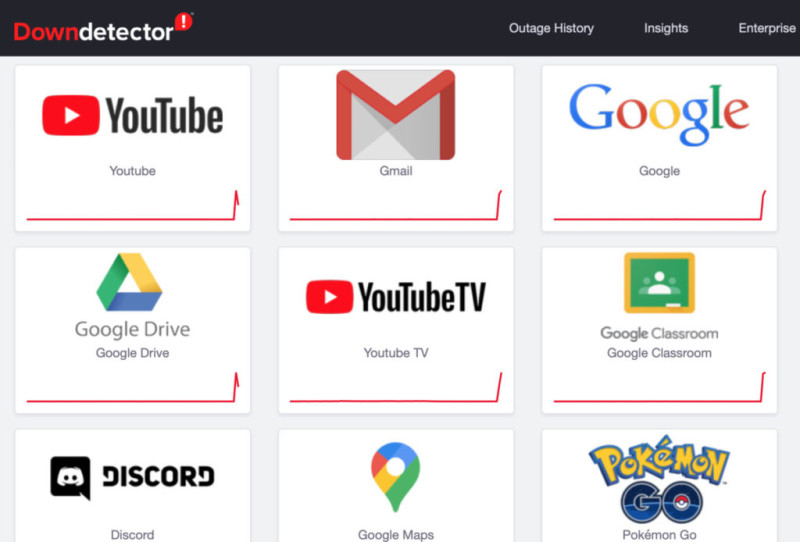
Users across the globe were left in the lurch as recent Gmail outage affected millions. The official Google Workspace Status Dashboard confirmed a service disruption, although exact details remained murky. The outage was so severe that even the usually reliable Downdetector, a real-time problem tracker, was overwhelmed with reports.
What started as sporadic glitches quickly escalated into a full-blown crisis. Users reported being unable to access their emails, with some even receiving error messages when trying to log in. The outage affected both the free and the paid business versions of Gmail, a critical service for many who rely on it for both personal and professional communication.
In the midst of the chaos, Google's official status dashboard was the go-to source for updates, providing real-time information on service availability. Users checked back frequently for any signs of recovery. Google Workspace Status Dashboard, the official source for tracking service disruptions, became a lifeline for those desperate for information.
Common Problems and Fixes During the Outage
The recent Gmail outage highlighted several common issues that users often encounter. Spam filtering, which normally helps keep our inboxes clean, seemed to go haywire, with legitimate emails being marked as spam and vice versa. Users also reported issues with search functionality, a crucial feature for navigating through piles of emails. The integration with Google Drive, Calendar, and Meet, which usually makes Gmail a seamless part of our digital lives, became a source of frustration as these services also failed to function properly.
While Google was tight-lipped about the exact cause of the outage, users shared their experiences and potential fixes. Some reported success by clearing their browser cache or switching to a different browser, while others found that restarting their devices helped. However, for many, the only solution was to wait until Google resolved the issue on their end.
"The outage was a stark reminder of how reliant we've become on these services. It's a wake-up call for companies to prioritize reliability and redundancy in their systems." - an expert on digital infrastructure.
The Ripple Effects: Beyond the Inbox
The ripple effects of the Gmail outage were felt far and wide. Businesses that rely on Gmail for communication and collaboration found themselves at a standstill. The outage interrupted work flows, delayed decisions, and brought productivity to a grinding halt. For individuals, it meant missed messages, delayed responses, and a sense of disconnect from the digital world. The outage was a stark reminder of how much we rely on these services, and how vulnerable we can be when they fail.
In recent times, outages have become increasingly common, as digital services struggle to keep up with the explosive growth in user numbers. Google, with its vast array of services, is no exception. The company has faced several outages in the past, each one a testament to the complexity and scale of their operations. This recent Gmail outage is just the latest in a series of disruptions that have left users wondering about the reliability of these digital giants.
As we continue to rely on these services, the question of reliability looms large. How can we ensure that our digital lifelines remain intact? The answer, it seems, lies in a combination of robust infrastructure, constant monitoring, and a fail-safe system that can kick in when things go wrong. Until then, we'll just have to hope that the next outage doesn't leave us stranded in the digital wilderness. In the meantime, those affected will have to keep a watchful eye on the official status dashboard and pray for a swift resolution.
How does this story make you feel?
 Up next · TechBlackout Today Updates: A Comprehensive Look at Recent Outages