Tule Fog: California's Persistent Weather Phenomenon
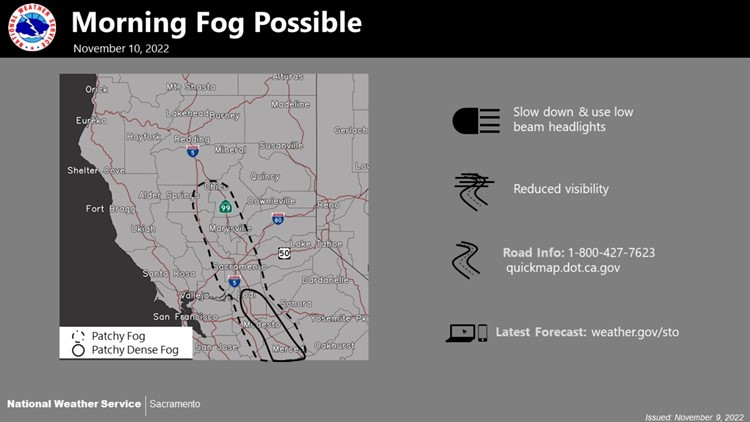
The tule fog has returned to California's Central Valley, persisting for over three weeks and affecting millions of residents. This radiation fog is a familiar sight in the region, particularly during late autumn and winter, but this year's event has been unusually prolonged and intense.
Also known as radiation fog, tule fog forms when moist air near the surface cools and saturates, leading to the accumulation of water droplets near the ground. This phenomenon is exacerbated by calm winds and a high-pressure ridge that traps cold air, creating a temperature inversion. The Central Valley's fertile ground and moist soils from a record-wet fall have contributed to the persistence of this fog, stretching from the Sacramento to the San Joaquin Valley, covering a 400-mile stretch and reducing visibility to near zero in spots.
Sacramento, a city often at the heart of this weather event, has been under a thick blanket of tule fog, leading to significant disruptions in daily life. The fog has locked the valley in a cold, gray shroud, while the surrounding foothills enjoy clear skies and warm sunshine. This stark contrast highlights the localized nature of tule fog, which is influenced by the unique topography and climate of the Central Valley.
Despite the challenges posed by tule fog, such as reduced visibility and potential delays in transportation, the phenomenon is a natural occurrence in the region. While some residents may recall tule fog as an annual event, its frequency and intensity can vary greatly from year to year. In the 1990s and 2000s, there were years without significant tule fog events. However, the current event underscores the ongoing impact of weather patterns on the Central Valley, with forecasts indicating that the fog may persist for several more days.
Residents and officials are advised to stay informed and prepared for the lingering effects of tule fog. The current weather pattern is forecast to bring record-cool temperatures to the Central Valley, adding to the challenges posed by the dense fog. As the region prepares for the potential impacts, understanding the science behind tule fog can help in navigating this unique weather phenomenon and ensuring safety for the 13 million residents affected.
How does this story make you feel?
Up next · ScienceTule Fog: A Persistent Phenomenon in California's Central Valley