Tule Fog: A Persistent Phenomenon in California's Central Valley
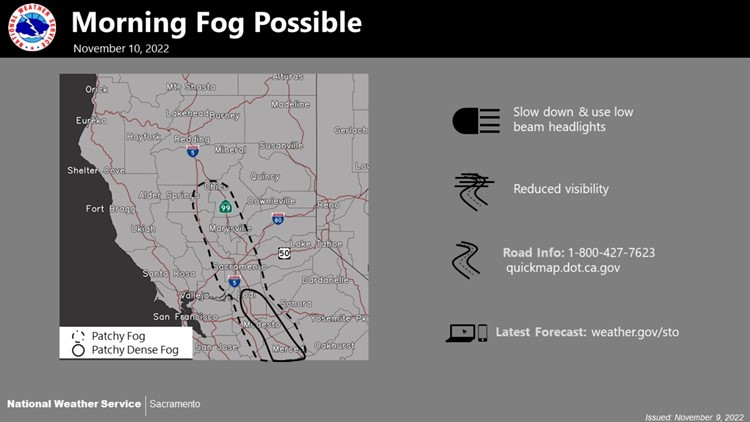
Tule fog, a persistent and dense form of radiation fog, has once again become a dominant feature of the weather landscape in California's Central Valley, affecting cities like Sacramento and Bakersfield. This fog, known for its ability to linger for extended periods, has been a significant weather event, impacting daily life and travel.
Understanding the nature of tule fog is essential for residents and visitors alike. This type of fog forms when moist air near the ground cools rapidly, leading to the formation of water droplets that accumulate into a dense fog cloud. The Central Valley’s unique topography, including its wide, flat terrain and the presence of tule reeds, creates ideal conditions for this phenomenon. The fog is particularly prevalent in late autumn and winter, when the air is cool and calm, and evaporation provides the necessary moisture.
This year, the tule fog has been exceptionally persistent, lasting for over three weeks in some areas. The prolonged presence of this fog has been a result of a blend of perfect conditions, including calm winds and ample moisture. This has significantly impacted the region, with dense fog blanketing the valley under a cold, gray cover, while nearby foothills enjoy clear skies and warm sunshine.
For residents, the tule fog brings not only a reduction in visibility but also a sense of disorientation. The dense fog reduces visibility to near zero in spots, making driving conditions particularly dangerous. This has led to widespread disruptions in travel and daily activities, with an estimated 13 million residents affected across the affected region.
While tule fog is a well-known winter phenomenon in the San Joaquin and Sacramento valleys, its occurrence and intensity can vary significantly from year to year. In the past, Sacramento and the valley have been subject to dense, low clouds, referred to as tule fog. Finan said that while longtime Sacramentans may recall tule fog as a once annual event, conditions have always varied between years and some years in the 1990's and 2000's went without.
The Central Valley’s tule fog has been a persistent issue, but it is not without its historical and ecological significance. Named after the tule reeds that thrive in the region, this fog has been a part of the valley’s climate for generations. Despite its challenges, it remains a fascinating and integral part of the region’s weather patterns, offering a glimpse into the complex interplay of geography, climate, and ecology. This year's prolonged tule fog event serves as a reminder of the region’s unique weather dynamics and the need for continued vigilance in managing its impacts.
As residents and officials await the lifting of the fog, the event underscores the importance of preparedness and adaptation in the face of recurring weather phenomena. While the exact duration of the current tule fog event remains uncertain, residents are advised to stay informed and take necessary precautions to ensure safety during this period of reduced visibility.
How does this story make you feel?
 Up next · ScienceMIT Professor Shooting: A Complex Web of Violence