Widespread Power Outage in San Francisco Leaves Thousands in the Dark
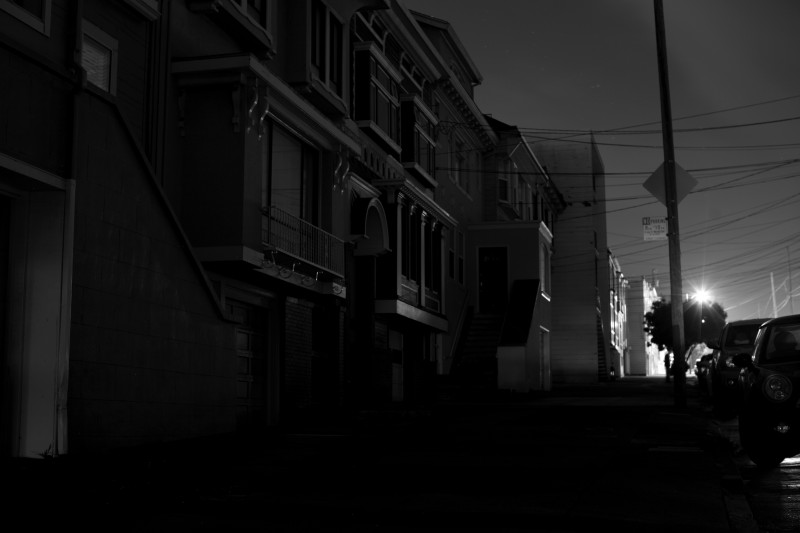
On Saturday, a significant power outage swept through San Francisco, leaving thousands of residents in multiple neighborhoods without electricity. The outage affected about 25,000 PG&E customers, according to the utility company's website. The outage was particularly disruptive, causing widespread inconvenience as residents and businesses were caught off guard.
The outage was initially reported to have affected more than 40,000 customers, highlighting the extensive reach of the disruption. Areas such as the Presidio, Richmond, Sunset, Golden Gate Park, and parts of Downtown were among the most severely impacted. The outage disrupted daily routines, with schools and businesses forced to close or adapt to the lack of electricity. The outage also raised concerns about the reliability of the city's power infrastructure, which has been under scrutiny in recent years due to a series of similar incidents.
On Sunday, additional power outages affected thousands more, further complicating the situation for San Francisco residents. The outages were unplanned, adding to the frustration and inconvenience experienced by those affected. The PG&E website provided updates on the outage status, but the lack of precise information on restoration times left many residents in limbo.
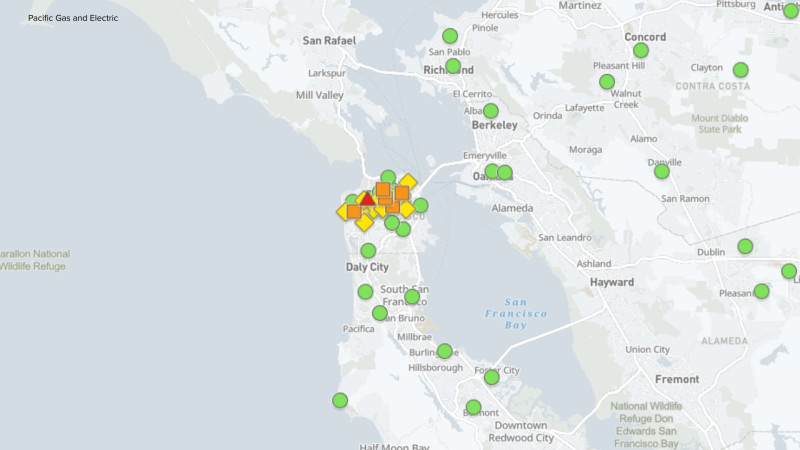
Residents were encouraged to check the PG&E Outage Center for real-time updates and to report any additional outages as they occurred. The outage map provided a visual representation of the affected areas, helping residents stay informed about the extent of the disruption and when they might expect power to be restored.
The outage underscores the ongoing challenges faced by PG&E in maintaining a reliable power supply. The utility company has faced criticism for its handling of outages, particularly in the context of frequent weather-related disruptions and planned shutdowns.
As San Francisco residents continue to deal with the outages, questions remain about the underlying causes and the steps being taken to prevent similar incidents in the future. The outage serves as a reminder of the critical importance of robust and reliable power infrastructure in a modern city.
How does this story make you feel?
 Up next · TechSan Francisco's **Power Outage** Crisis: A Day of Darkness