Jim Beam’s Historic Distillery Shutdown: A Turning Point for Bourbon Industry
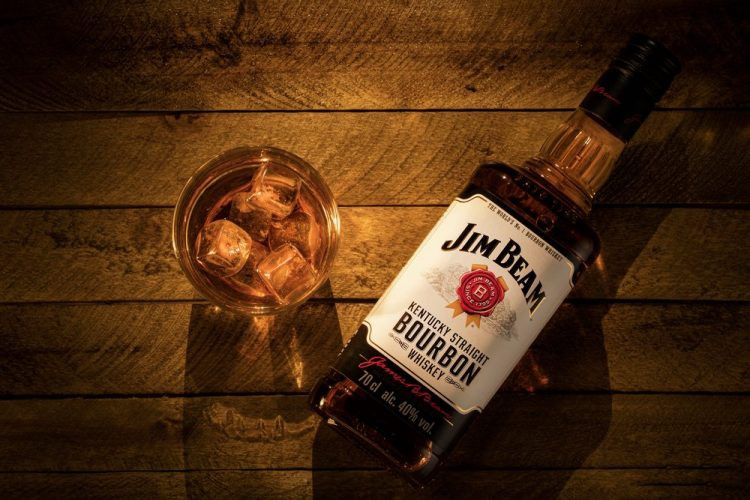
In a surprising move that has sent ripples through the bourbon industry, Jim Beam, a stalwart in American whiskey production, has announced it will halt production at its main distillery in Clermont, Kentucky, beginning January 2026. This decision, driven by a combination of factors including tariff uncertainties and shifting market dynamics, marks a significant shift for one of the world's most iconic bourbon brands.
Jim Beam, a subsidiary of the Japanese beverage giant Suntory, has long been a cornerstone of the Kentucky Bourbon Trail. The Clermont distillery, a key tourism destination, has attracted visitors from around the globe. However, the company has decided to pause operations as it navigates through a challenging economic landscape. The distillery will remain closed for all of 2026, with the visitor center staying open to maintain its appeal to tourists.
The decision to halt production comes as a result of several interconnected factors. The ongoing trade wars, particularly with Canada, have significantly impacted sales. This downturn has been exacerbated by tariff uncertainties that have made it difficult for Jim Beam to secure stable export markets. The company aims to use this downtime to invest in site enhancements, potentially retooling the distillery to better meet future market demands.
The shutdown is expected to have a ripple effect across the bourbon industry. For one, it raises questions about the sustainability of smaller distilleries and the broader economic impact on the region. The Clermont distillery is not just a production site; it is a cultural and economic hub, employing numerous local residents and attracting bourbon enthusiasts from around the world. The pause in production will likely affect local businesses that rely on tourism generated by the distillery.
Despite the shutdown, Jim Beam remains optimistic about its future. The company will continue production at its smaller distilleries, including the Freddie Booker Noe craft distillery and the Booker Noe distillery in Boston. These facilities are expected to keep the brand's production lines running, ensuring a steady supply of Jim Beam bourbon to its loyal customers.
This strategic move by Jim Beam underscores the evolving nature of the bourbon industry, where global trade policies and market dynamics play a crucial role. As the company navigates these challenges, it also presents an opportunity to innovate and adapt to a changing market landscape. For consumers and industry watchers, the shutdown of Jim Beam's main distillery serves as a reminder of the broader economic and political forces shaping the future of spirits production.
How does this story make you feel?
 Up next · BusinessSilver Price Today: An In-Depth Look at Market Dynamics