The January 2026 Full Moon: A Wolf Supermoon to Start the Year
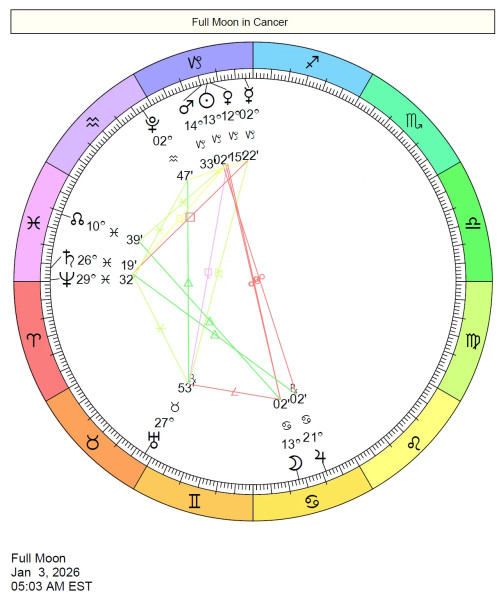
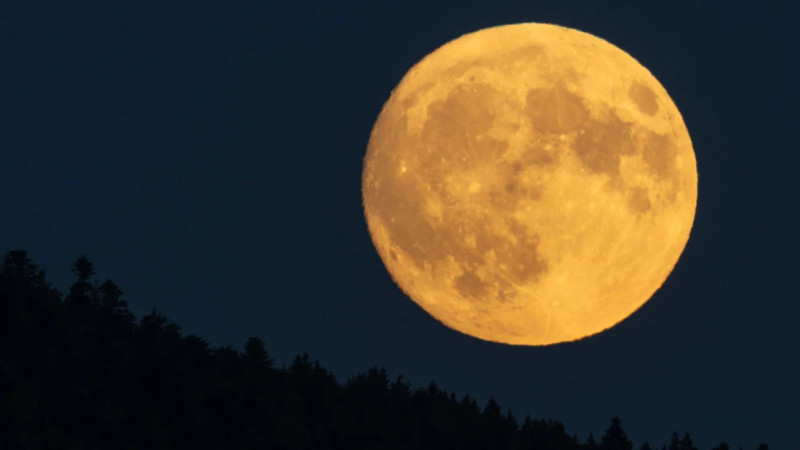
As the new year of 2026 begins, stargazers and astronomy enthusiasts are in for a celestial treat, with the first full moon of the year occurring on January 3, 2026. This full moon, known as the Wolf Moon, is set to be a spectacular event, especially since it coincides with a supermoon.
The Wolf Moon, a term derived from Native American folklore, signifies the howling of wolves during the cold winter months, reflecting the hardships and isolation of midwinter. This year, the full moon will reach its peak illumination at 5:03 a.m. ET, making it the largest and brightest full moon of the year.
The January 2026 full moon will be visible across the globe, rising dramatically in the twilight and offering a stunning sight for those who venture out to witness it. The Old Farmer's Almanac provides valuable insights into the best times and locations to view this celestial event, helping enthusiasts make the most of the Wolf Moon's beauty.
For those interested in the specifics, the January full moon will be the first of 13 full moons in 2026, with the next occurring on February 1. The year's lunar events include a Blue Moon in May, adding to the excitement for astronomy enthusiasts.
Beyond its aesthetic appeal, the Wolf Moon holds cultural and symbolic significance. In many traditions, the full moon is a time for reflection, celebration, and spiritual practices. The supermoon aspect adds an extra layer of intrigue, as it appears 14% larger and 30% brighter than an average full moon, creating a unique and awe-inspiring sight in the night sky.
Whether you're an avid astronomer or simply someone who appreciates the beauty of the night sky, the January 2026 Wolf Moon is an event not to be missed. Make sure to mark your calendars and find a clear spot to enjoy this remarkable celestial phenomenon, as 2026 begins with a stunning display of lunar beauty.
How does this story make you feel?
 Up next · ScienceWhen Is the Full Moon in 2026?