Hunter’s Moon lights up October sky
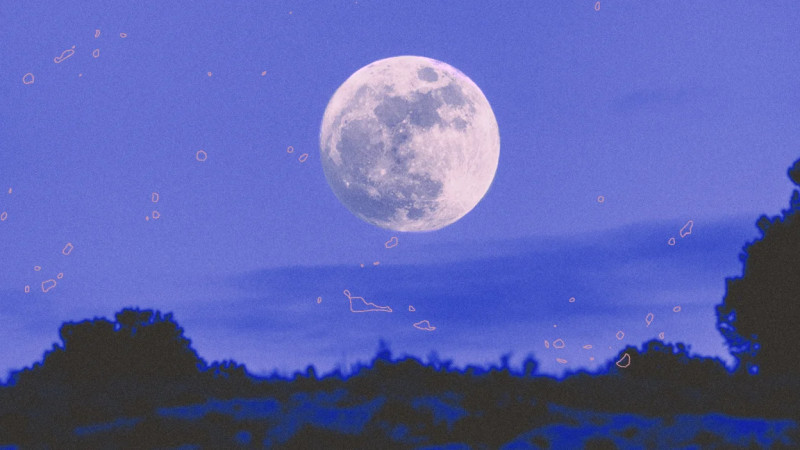
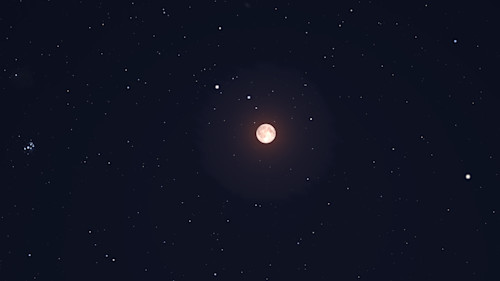
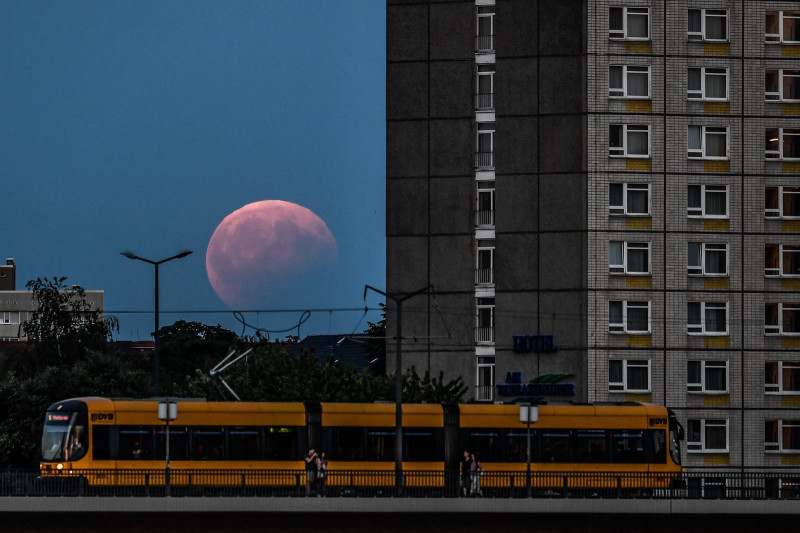
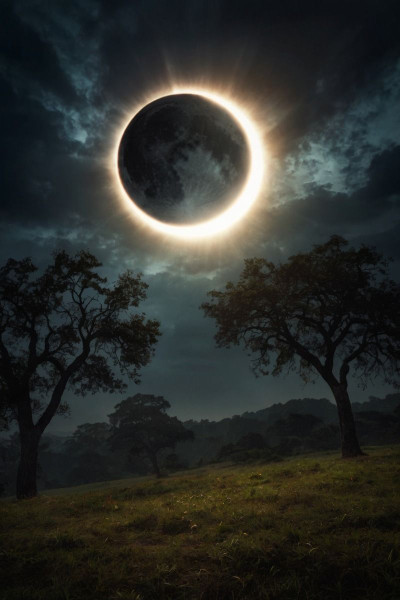
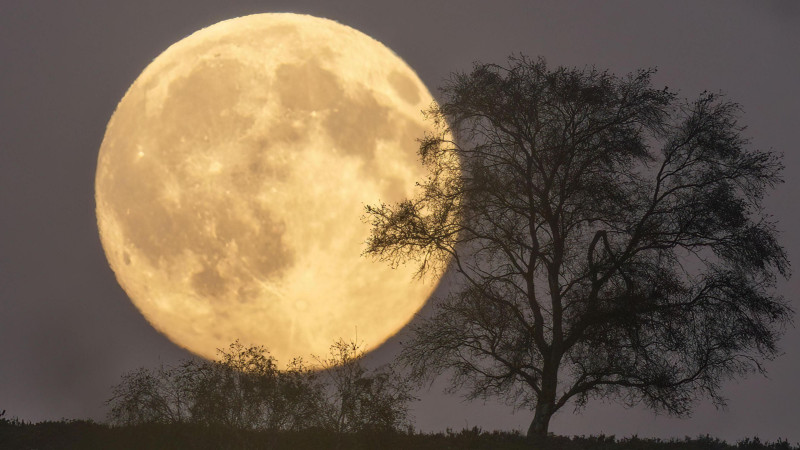
The October full moon, known as the Hunter’s Moon, illuminated a town’s night with a warm orange glow, drawing stargazers and reflecting its cultural history.
Key points
- The Hunter’s Moon is the October full moon that appears near the horizon.
- Its low angle lets light travel through more atmosphere, producing an orange‑amber hue.
- The name comes from its use by indigenous hunters to signal the start of the hunting season.
- Modern celebrations include festivals and stargazing gatherings.
- The event has long been a cultural symbol for many communities.
In the quiet of a recent night, the sky above a busy town sparkles with an extraordinary sight. The Hunter's Moon, a mesmerizing celestial phenomenon, is making its grand appearance, illuminating the sky with its brilliant glow. The town, usually bustling with daily activities, now stands still in awe. The Hunter’s Moon, also known as the October full moon, is a celestial marvel that captivates the night sky, marking a significant moment in the lunar calendar.
The Science Behind the Hunter’s Moon
The Hunter’s Moon is one of the most anticipated full moons of the year, occurring in October. Unlike other full moons, the Hunter’s Moon has a distinct luminosity and a particular position in the sky. This phenomenon is due to the Moon's trajectory which, during this period, remains close to the horizon. This proximity to the horizon allows the light to pass through more of the Earth's atmosphere, creating a warm, orange hue that is both enchanting and awe-inspiring.
The Hunter's Moon is a unique celestial sight due to its proximity to the horizon, which disperses the light through the Earth’s atmosphere, lending it an orange to amber glow. This provides a golden hue, making it a beloved sight for many stargazers, photographers, and enthusiasts. It is a natural satellite of Earth, the brightest object in the night sky after the sun. This celestial body has been known since prehistoric times and has been a subject of fascination and mystery for centuries.
The Hunter’s Moon gets its name from its historical significance, as it traditionally marked the beginning of the hunting season for many indigenous cultures. During this time, the extended periods of moonlight allowed hunters to venture out into the wilderness and hunt effectively, gathering food for the long winter months ahead. This lunar event is deeply rooted in cultural and historical traditions, providing more than just a visual spectacle but also a connection to our past.
The Cultural and Historical Significance of the Hunter’s Moon
Historically, the Hunter’s Moon has been celebrated by various cultures around the world. For many indigenous tribes, the full moon in October marked the beginning of the hunting season, allowing them to gather food for the winter. The prolonged periods of moonlight during this time of the year provided ample light for hunters to venture into the wilderness and hunt effectively. This lunar event is deeply rooted in cultural and historical traditions, providing more than just a visual spectacle but also a connection to our past.
In modern times, the Hunter’s Moon continues to captivate people, inspiring awe and wonder. Today, it is celebrated with various festivals, gatherings, and stargazing events. People from all walks of life come together to witness this celestial marvel, making it more than just a natural phenomenon. It is a time to reflect on the beauty of the night sky and the mysteries it holds.
Your questions, answered
What makes the Hunter’s Moon different from other full moons?
Its low position near the horizon causes its light to pass through more atmosphere, giving it a warm orange to amber glow.
Why is it called the Hunter’s Moon?
The name reflects its historical role in marking the start of the hunting season for many indigenous cultures.
Quick poll
What aspect of the Hunter’s Moon interests you most?
0 votes
How does this story make you feel?
Topics
 Up next · ScienceOrange moon tonight explained by atmospheric scattering