Wolf Moon of 2026 lights January sky
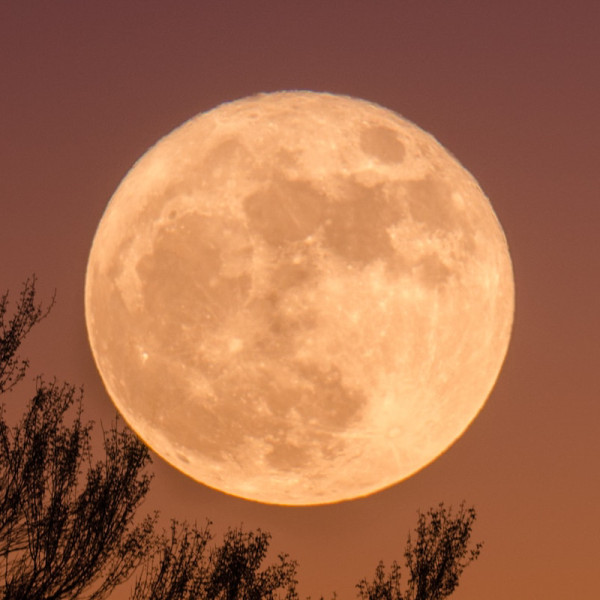
The first full moon of 2026, a supermoon named the Wolf Moon, will rise after sunset and set before sunrise, offering a bright, nearly 100% illuminated view and a chance to spot a meteor shower.

Key points
- The Wolf Moon is the first full moon of 2026 and a supermoon, appearing larger and brighter than a typical full moon.
- It rises in the east after sunset and sets in the west before sunrise, with 99.45% illumination.
- The name comes from Native American traditions that linked the moon to wolves howling during harsh winter conditions.
- Observers may also see a meteor shower tonight, adding to the spectacle.
- Tools like Moon Phase Calculator, Lunar Calendar, and Find My Moon app help track the moon’s position and timing.
Stargazers and astronomy enthusiasts around the world are in for a celestial treat as the Wolf Moon, the first full moon of 2026, graces the night sky. This full moon is not just a visual spectacle; it also carries a deep cultural and historical significance.
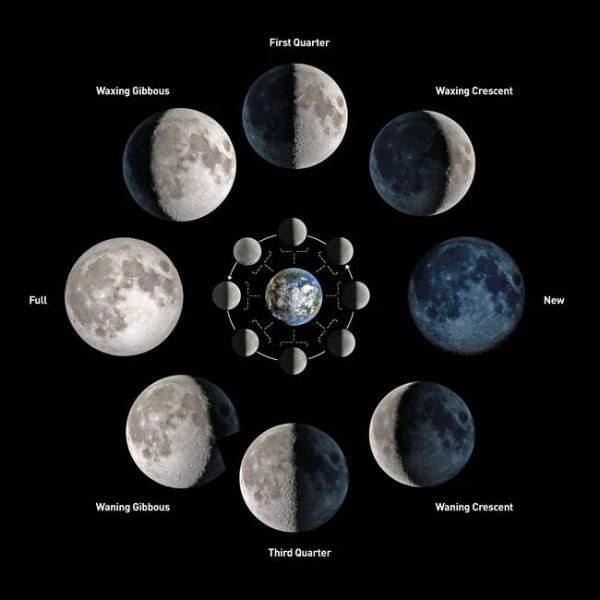
Tonight, the moon will be in its Full Moon phase, offering a stunning sight as it rises in the east just after sunset and sets in the west with the sunrise. The moon will be almost fully illuminated, making it a perfect time to gaze at its beauty and learn more about lunar phases. The Wolf Moon is particularly special because it is also a supermoon, which means it appears larger and brighter than a typical full moon.
The Wolf Moon gets its name from Native American traditions, where it was known as a time when wolves howled outside villages, a haunting reminder of the harsh winter conditions. This naming convention not only adds a layer of mystery but also connects modern astronomy with ancient cultural practices.
While enjoying the Wolf Moon, astronomy enthusiasts can also look forward to the possibility of a meteor shower tonight. Although not every full moon night coincides with a meteor shower, the combination of the two can create a truly magical experience. Meteor showers are a natural spectacle, and seeing them against the backdrop of a full moon can be particularly breathtaking.
The Moon tonight will be a sight to behold, with 99.45% illumination and located approximately 370,213.48 kilometers from Earth. The slight decrease in illumination as the night progresses and the distance from Earth will be barely noticeable, making it a perfect opportunity to observe lunar details with a telescope or even with the naked eye.
For those looking to track the Moon phase and other lunar events, there are several tools available, including Moon Phase Calculator and Lunar Calendar. These tools provide real-time updates and detailed information on when and where to observe the Moon tonight. Additionally, the Find My Moon app offers an interactive 3D sky map, complete with rise and set times, making it an excellent resource for both novice and experienced stargazers.
In conclusion, the Wolf Moon of 2026 is a celestial event that combines scientific fascination with cultural heritage. Whether you're an avid stargazer or simply enjoy the beauty of the night sky, tonight's full moon is an occasion not to be missed. So, step outside, look up, and let the magic of the Wolf Moon wash over you. Don't forget to check for any meteor showers that might add an extra sparkle to the night.
Your questions, answered
What is the Wolf Moon of 2026?
It is the first full moon of 2026, classified as a supermoon because it appears larger and brighter than a typical full moon.
Will there be a meteor shower during the Wolf Moon?
A meteor shower may occur tonight, and its combination with the full moon can create a striking visual experience.
How does this story make you feel?
Topics
 Up next · ScienceQuadrantid meteor shower peaks tonight amid full supermoon