Mark Your Calendars: The Next Full Moon is Approaching!
As the year 2025 draws to a close, astronomy enthusiasts and casual observers alike are eagerly awaiting the next full moon. The moon’s phases have captivated human imagination for centuries, and the full moon, in particular, holds a special allure. So, when is the next full moon, and what can we expect from this celestial event?
December 2025 has already seen its last full moon, known as the Cold Moon, which reached its peak at 6:14 p.m. EST on Thursday, December 4. This moon is traditionally associated with the cold, winter nights and marks the final full moon of the year. The moon was visible for all of us and was a sight to behold with clear skies. The moon phases are governed by the relative positions of the Earth, Moon, and Sun. During a full moon, the Sun illuminates the entire visible face of the Moon, creating a stunning spectacle in the night sky.
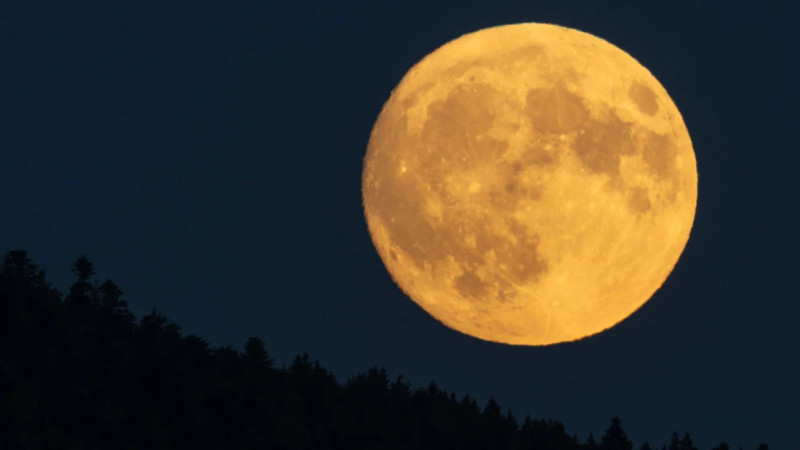
For those who missed the December Cold Moon or are already looking ahead, the next full moon is set to occur on Saturday, January 3, 2026. This full moon is known as the January Wolf Moon, a name that carries a rich cultural significance. The Wolf Moon gets its name from the howling of wolves that were often heard in the cold winter nights by Native American tribes. Additionally, this full moon will also be a Supermoon, which means it will appear larger and brighter than a typical full moon due to its closer proximity to Earth. Supermoons are a fantastic opportunity for stargazers to appreciate the Moon’s beauty in all its glory.
The exact time of the Wolf Moon’s peak will be at 5:03 a.m. EST, making it a bit challenging for those in the Eastern Time Zone to catch it at its zenith. However, the full moon will be visible for several days before and after the peak, so there will be ample opportunities to witness this lunar spectacle.
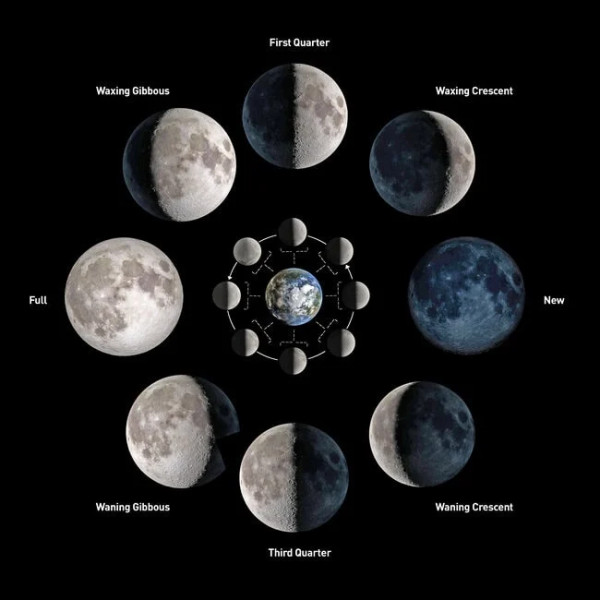
Understanding moon phases can enhance your appreciation of this natural phenomenon. The moon goes through a complete cycle of phases approximately every 29.5 days, transitioning from new moon to full moon and back again. This cycle is driven by the changing angles between the Sun, Moon, and Earth, which determine how much of the Moon’s surface is illuminated from our perspective.
If you’re interested in staying updated on moon phases and full moons, there are several resources available. Websites like TheSkyLive.com offer detailed information on the exact date, time, and visibility of the next full moon, as well as fascinating phenomena like supermoons and eclipses. The Sky Live also provides a countdown to the next full moon, keeping you in the loop with the latest lunar events. For a more localized experience, you can visit sites like NextFullMoon.org to find exact full moon and new moon dates and times tailored to your specific location.
Whether you’re a seasoned astronomer or simply enjoy the beauty of the night sky, the next full moon is an event not to be missed. So, mark your calendars for January 3, 2026, and get ready to witness the majesty of the Wolf Supermoon. Happy moon gazing!
How does this story make you feel?
 Up next · ScienceUnderstanding the Lake Erie Seiche: A Natural Phenomenon