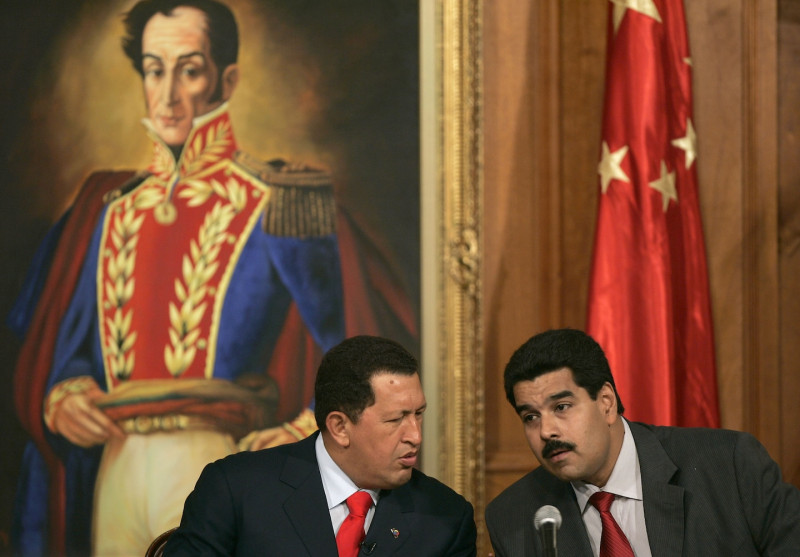
On 2026-01-06, a significant diplomatic milestone was attained in Miraflores, Venezuela, as the nation hosted a historic meeting with the United States. This event underscores the **complex and fraught** relationship between the two countries, shaped by a legacy of political, economic, and cultural ties .
The meeting in Miraflores, which took place on 2026-01-06, marks a pivotal moment in the ongoing diplomatic dialogue between Venezuela and the United States. This historic encounter, characterized by a framework of peace diplomacy, signifies a potential shift in the strained relations between the two nations . The dialogue between the Special Envoy of the United States Government for Venezuela and the Government of the Bolivarian Republic of Venezuela is a testament to the evolving dynamics of international relations in the region, which have been influenced by a myriad of factors, including oil reserves, political interests, and human rights concerns .
Venezuela, once a thriving economic powerhouse in South America, has faced a series of political, economic, and humanitarian challenges under the rule of Nicolás Maduro. The country's descent into crisis has been marked by authoritarian governance, economic instability, and a mass exodus of its citizens, which has had profound regional implications . The U.S., with its vast strategic interests, has been closely monitoring the situation, with diplomatic and military interventions that have underscored the complex nature of their relationship. This has led to escalating tensions, especially following recent U.S. maritime strikes and an expanded military presence in the Caribbean .
Despite the challenges, the historical context of U.S.-Venezuela relations offers a deeper understanding of the current diplomatic efforts. The relationship has been shaped by the Monroe Doctrine, a policy introduced in 1823 by President James Monroe, which asserted American influence over the Americas. This doctrine has been a cornerstone of U.S. foreign policy, influencing interventions and diplomatic initiatives throughout the region, including Venezuela .
However, the current situation is also influenced by contemporary geopolitical dynamics. The U.S. has been actively involved in Venezuela's affairs, with President Donald Trump's administration pushing for regime change and supporting opposition figures. This interventionist approach has been met with strong resistance from Venezuela, which views it as an infringement on its sovereignty . Furthermore, the U.S. is not the only global power with interests in Venezuela. China and other countries have also been investing in the country’s resources, particularly its oil reserves, further complicating the geopolitical landscape .
As Venezuela navigates its unique position in the global arena, the meeting in Miraflores serves as a reminder of the intricate web of influences and interests at play. The U.S. continues to assert its influence, driven by strategic interests and the desire to regain support from disaffected segments of the population. Meanwhile, Venezuela seeks to maintain its sovereignty and navigate the challenges posed by international interventions .
In conclusion, the meeting in Miraflores is a crucial step in the ongoing dialogue between Venezuela and the United States. It represents a potential turning point in a relationship marked by centuries of political, economic, and cultural ties. As both nations continue to engage in diplomatic efforts, the complexities of their relationship will undoubtedly shape the future of the region. The outcome of these efforts will have far-reaching implications, not only for Venezuela and the U.S. but also for the broader geopolitical dynamics in the Americas .