Dow Jones, NASDAQ, and S&P 500 futures show mixed signals
Investors monitor Dow, Nasdaq, and S&P 500 futures on January 7, 2026, as slight declines in the DJIA and S&P 500 and volatility in Nasdaq signal cautious market sentiment.

Key points
- Dow Jones futures dipped, reflecting cautious investor sentiment.
- S&P 500 futures also fell, indicating broader market concerns.
- Nasdaq futures displayed more volatility, driven by tech sector sensitivity.
- Premarket data shows thin holiday trading affecting DJIA performance.
- Real‑time data from Investing.com, Barchart.com, MarketWatch, and Google Finance help traders stay informed.
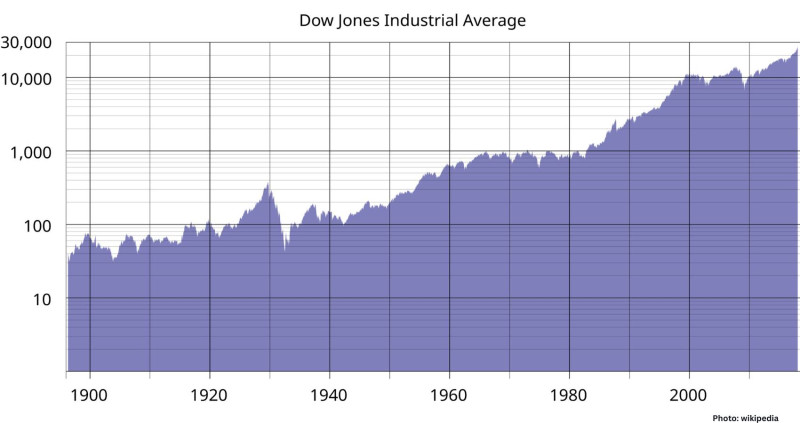
Investors are closely watching Dow Jones futures, NASDAQ futures, and S&P 500 futures today as market trends continue to shape the financial landscape. As of January 7, 2026, these indices are pivotal indicators for investors and traders alike. The Dow Jones Industrial Average (DJIA) is a key gauge of the overall stock market performance, while the NASDAQ and S&P 500 provide insights into the tech-heavy and broader market sectors, respectively.
The performance of these futures can be indicative of broader market sentiment. For instance, the Dow Jones futures are influenced by the performance of 30 prominent U.S. companies listed on the New York Stock Exchange and Nasdaq. The NASDAQ futures, on the other hand, are heavily influenced by the technology sector, which has been a driving force in recent market trends. The S&P 500 futures offer a broad perspective, encompassing 500 leading companies across various industries, making it a comprehensive barometer of the overall market health.
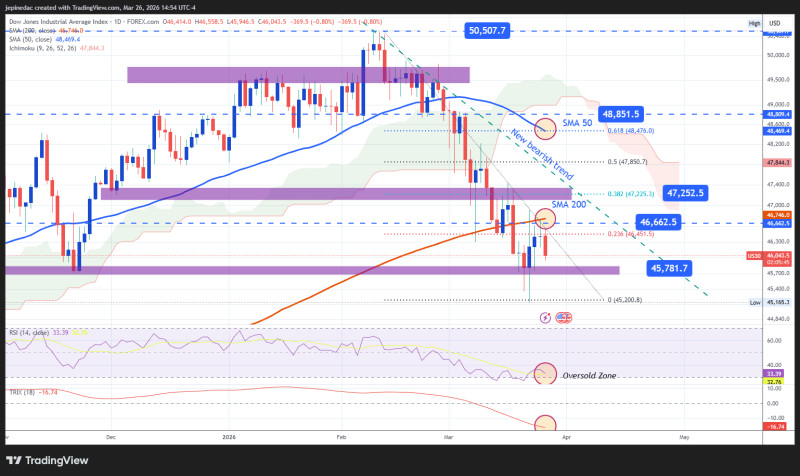
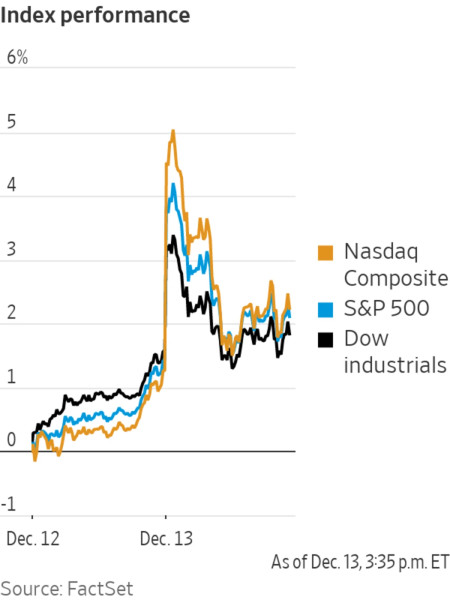
As of today, January 7, 2026, premarket data and futures prices reveal significant shifts. The DJIA futures have shown slight declines, reflecting a cautious investor sentiment. Meanwhile, S&P 500 futures are also experiencing dips, indicating broader market concerns. The NASDAQ futures, however, are displaying more volatility, which is not uncommon given the tech sector's sensitivity to news and economic data.
For those looking to stay ahead, real-time data and analysis are crucial. Investing.com provides live updates on Dow Jones futures, offering detailed charts, news, and analysis to help traders make informed decisions. Additionally, resources like Barchart.com offer market commentary and news, highlighting recent trends such as the slight decline in the DJIA due to thin holiday trading.
MarketWatch provides a comprehensive overview of the DJIA, including detailed stock market news and data. Google Finance is another invaluable tool, offering real-time market quotes, financial news, and analytics that can help investors navigate the complexities of the market.
As the day progresses, it will be essential to keep an eye on these futures and their implications for the broader market. Investors should be prepared for potential volatility and consider diversifying their portfolios to mitigate risks associated with market fluctuations. Whether you are a seasoned trader or a novice investor, understanding the dynamics of Dow Jones futures, NASDAQ futures, and S&P 500 futures is crucial for making sound investment decisions in the ever-evolving financial landscape.
Your questions, answered
What are Dow Jones futures?
Dow Jones futures are financial contracts that track the performance of the 30 major U.S. companies listed on the New York Stock Exchange and Nasdaq.
Why is Nasdaq futures more volatile?
Nasdaq futures are heavily influenced by the technology sector, which is sensitive to news and economic data, leading to greater volatility.
How does this story make you feel?
Topics
 Up next · BusinessU.S. oil consumption near 23.5 million barrels per day in 2024