New CDC Vaccine Schedule: A Paradigm Shift in Childhood Immunization
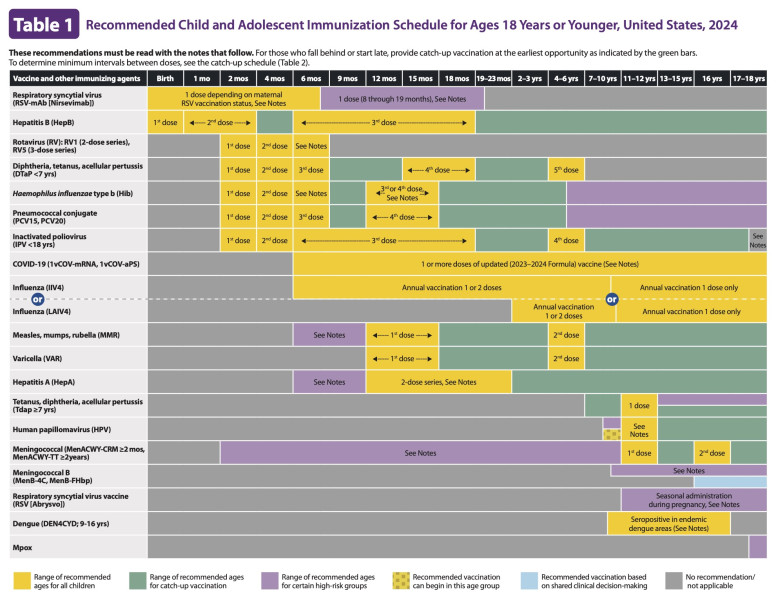
The Centers for Disease Control and Prevention (CDC) has made unprecedented changes to the childhood vaccine schedule in 2026. These changes, which aim to streamline and prioritize vaccinations based on risk, have sparked widespread discussion and debate within the public health community. The new guidelines reflect a significant shift in how the U.S. views childhood vaccines and their administration. By cutting the number of universally recommended vaccines and introducing a shared clinical decision-making framework, the CDC is promoting a more personalized approach to immunization.
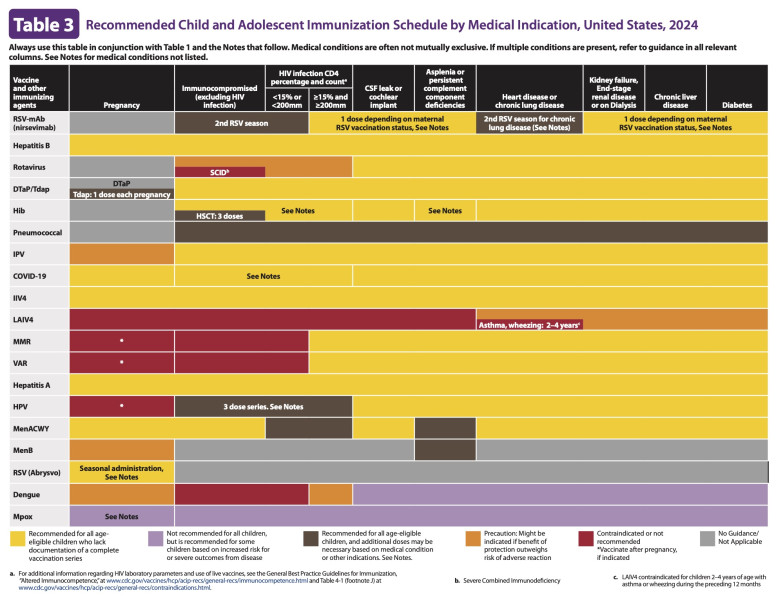
Under the new guidelines, vaccines for hepatitis B, influenza, and meningitis are no longer universally recommended for all children. Instead, these vaccines will be administered based on an individual assessment of risk, a framework known as shared clinical decision-making. This approach emphasizes a more tailored strategy, where healthcare providers and parents collaborate to determine the best course of action. In addition, the schedule now recommends vaccines against six diseases, including hepatitis A, diphtheria, and tetanus, which are still considered universally necessary.
The revised vaccine schedule is part of a broader effort to address concerns about vaccine uptake and public trust in immunization programs. The CDC's changes are based on a thorough scientific assessment that compared U.S. childhood immunization recommendations with those of peer nations. This assessment analyzed vaccine uptake rates and aimed to restore public confidence in vaccination programs. The updated guidelines also reflect the need for large, placebo-controlled randomized trials on individual vaccines, combinations of vaccines, and vaccine schedules. These trials will provide more robust data to inform patients, parents, and providers, helping to rebuild trust in public health recommendations.
Critics argue that the reduction in the number of universally recommended vaccines may lead to an increase in vaccine-preventable diseases. However, proponents of the new guidelines point to the potential benefits of a more individualized approach, which could alleviate parent concerns and improve overall vaccination rates. The CDC's decision to emphasize shared clinical decision-making aligns with the growing trend towards personalized medicine, where healthcare decisions are tailored to the unique needs and circumstances of each patient. This approach recognizes that not all children are at the same risk for every disease, and thus, not all children require the same vaccinations.
Parents and healthcare providers are encouraged to review the updated CDC vaccine schedule and understand the rationale behind these changes. The CDC's website provides detailed information on the recommended vaccines for each age group, dosing frequencies, and special considerations. The CDC Vaccine Schedules app, optimized for tablets and smartphones, is a valuable resource for healthcare professionals who recommend or administer vaccines.
In conclusion, the CDC's new vaccine schedule represents a significant shift in childhood immunization practices. By prioritizing a more personalized and risk-based approach, the CDC aims to improve public trust and address concerns about vaccine uptake. While the changes may be met with resistance, they also offer an opportunity to engage parents and healthcare providers in more informed and collaborative decision-making processes. As the debate continues, it is essential to stay informed about the latest developments and understand the implications for public health. The goal remains to protect children from vaccine-preventable diseases while ensuring that vaccination programs are based on sound scientific evidence and public trust.
How does this story make you feel?
 Up next · HealthCDC Announces Major Changes to Childhood Vaccine Schedule