Analyzing the Surge in TSMC Stock Amid AI Boom
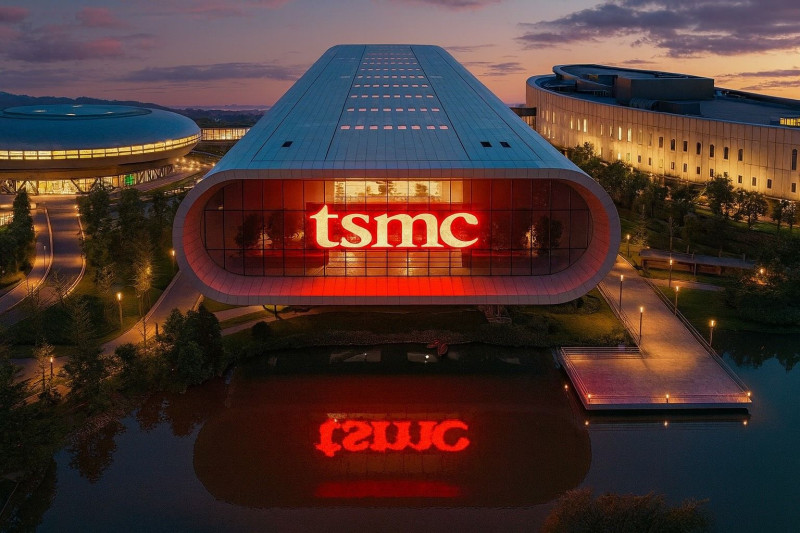
The Taiwanese semiconductor giant Taiwan Semiconductor Manufacturing Company (TSMC) has been in the spotlight recently due to its stellar performance in the artificial intelligence (AI) sector. The company's stock, trading under the ticker TSM, has seen significant gains, driven by the increasing demand for advanced AI chips. As of January 2026, TSMC's stock price is hovering near an all-time high, reflecting the market's confidence in the company's growth prospects.
TSMC's impressive financial results can be attributed to its high-performance computing division, which caters to AI and 5G applications. This division accounted for a substantial portion of TSMC's third-quarter sales, contributing to a record profit that surpassed market expectations. The company's earnings per share (EPS) are also expected to rise by 26% this year, further bolstering investor sentiment.
One of the key factors driving TSMC's success is the booming AI market. The demand for AI chips has surged, with TSMC being a major supplier to tech giants like Nvidia. This has led to a 30% revenue growth for TSMC, driven by strong orders from AI and advanced data center applications. The company's strategic positioning in the AI sector has not only helped it achieve record profits but also cemented its lead over competitors.
In addition to AI demand, TSMC's stock has also benefited from potential U.S. trade deals and tariff exemptions. These developments could further support TSMC's U.S. expansion plans. The company's 2nm roadmap, which aims to produce even more advanced chips, is another factor that has investors excited about its future prospects.
Looking ahead, TSMC's stock is poised for further growth, given the strong AI-driven demand and the company's strategic initiatives. However, investors should also be mindful of potential risks, such as tariff uncertainties and competition from other semiconductor manufacturers. Despite these challenges, TSMC's strong fundamentals and leadership in the AI chip market make it a compelling investment option in 2026.
How does this story make you feel?
 Up next · BusinessBuncombe County Schools Navigate Winter Weather Challenges with Remote Learning