The Great Healthcare Plan: Trump's Vision for Lower Costs and Enhanced Access
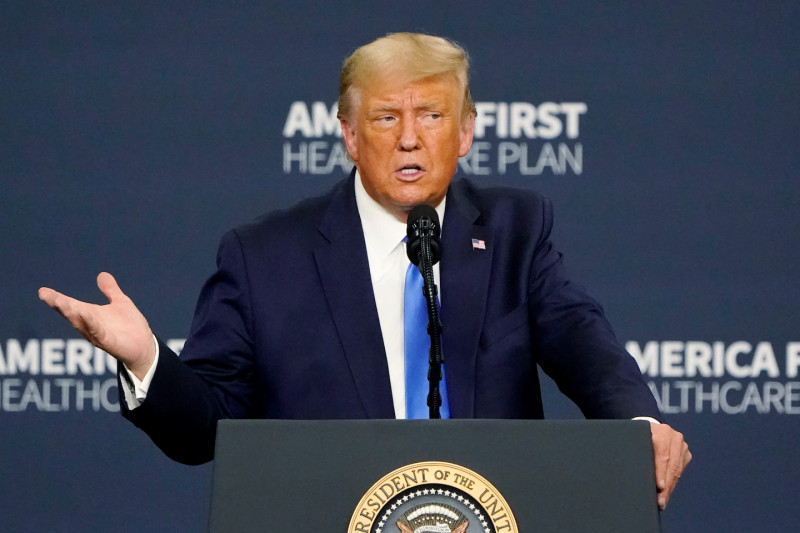
The Great Healthcare Plan introduced by President Donald Trump on January 15, 2026, promises significant changes to the healthcare landscape. This plan aims to address rising healthcare costs and improve access to affordable healthcare, particularly focusing on ACA subsidies and prescription drug pricing. The plan, while comprehensive, has left some details for Congress to finalize, leading to a mix of anticipation and skepticism.
One of the key components of the Great Healthcare Plan is the proposal to tie U.S. drug prices to the lowest rates paid overseas. This move is designed to reduce the financial burden on American consumers by aligning prices with global standards. The White House believes this strategy could significantly lower prescription drug costs, a major concern for many Americans. Additionally, the plan includes provisions for increasing pricing transparency, which could help consumers make more informed decisions about their healthcare spending.
Another significant aspect of the plan is the substitution of direct payments for the tax credits that were previously transferred to insurance companies to subsidize Affordable Care Act (ACA) exchange premiums. This shift aims to streamline the process and ensure that subsidies are used more efficiently, potentially leading to lower premiums for consumers. The plan also calls for payments to health savings accounts rather than traditional insurance subsidies, which could provide more flexibility and control over healthcare spending for consumers.
The timing of the announcement, coinciding with the end of ACA open enrollment in most states, adds a layer of complexity. Critics argue that the plan lacks specific details and largely restates proposals that Trump has previously outlined, suggesting that it might be more of a political move than a concrete policy initiative. However, proponents see it as a bold step towards addressing the longstanding issues in the healthcare system.
Looking ahead, the success of the Great Healthcare Plan will largely depend on how Congress responds to Trump's call to action. As the legislative process unfolds, it will be crucial to monitor the plan’s development and its potential impact on healthcare costs and access. The debate over ACA subsidies and the broader implications of the plan are likely to dominate the political landscape in the coming months, making healthcare a central issue in the national conversation.
How does this story make you feel?
 Up next · HealthUnderstanding the Importance of Immunizations in 2026