Carson Beck: The Controversial Journey of a Miami Quarterback
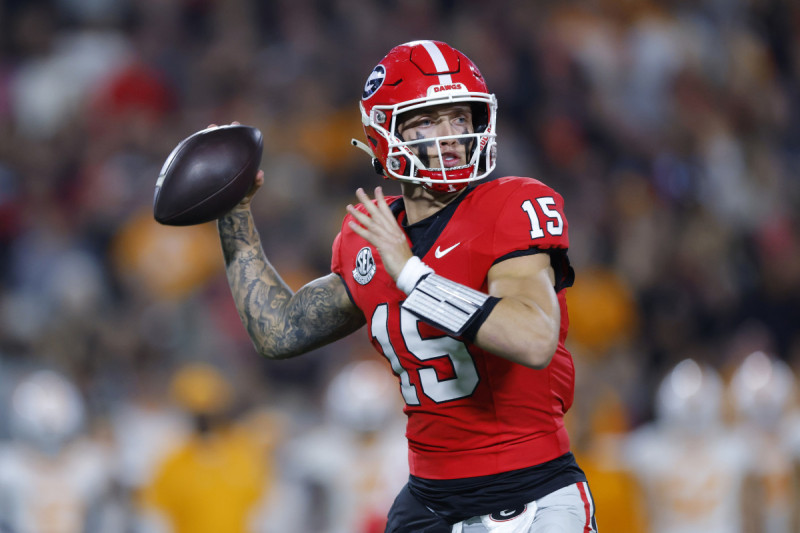
In the ever-evolving world of college football, few stories have sparked as much debate and confusion as the case of Carson Beck. The Miami Hurricanes quarterback, who has been a standout player, recently revealed that he hasn't attended classes for the past two years, despite still being eligible to play. This revelation has left many fans and analysts questioning the rules and regulations governing college athletics in the Name, Image, and Likeness (NIL) era.
Carson Beck, now 23 years old, graduated in 2022. His continued eligibility to play college football has raised eyebrows, especially considering he is earning $4 million annually through his athletic endeavors. The situation has brought to light the complex eligibility rules and the impact of the NIL era on college sports.
Beck's situation is a result of a combination of factors. He qualified as a graduate transfer, which allowed him to maintain his eligibility despite graduating. Additionally, the NCAA's COVID relief provisions and his active enrollment status have played crucial roles in keeping him on the field.
Beck's admission that he hasn't attended classes has sparked widespread discussion among college football fans. Many are questioning the definition of a "student-athlete" and the integrity of the NCAA's rules. The revelation has led to a significant backlash, with fans expressing their discontent on social media platforms, referring to the situation that the NCAA has been allowed Beck to play for multiple seasons despite graduating.
The controversy surrounding Beck's eligibility has also highlighted the broader issues within college football. Fans are increasingly questioning the fairness and transparency of the NCAA's regulations, especially in light of the NIL era. The situation has brought to the forefront the debate over whether college athletes should be treated as professionals or students first.
As the Miami Hurricanes prepare for the 2026 National Championship Game, all eyes will be on Carson Beck. His performance on the field will undoubtedly be scrutinized, but so will the decisions that have led to his continued eligibility. The controversy surrounding Beck serves as a reminder of the complexities and challenges within college athletics, and it remains to be seen how the NCAA will address these issues moving forward.
How does this story make you feel?
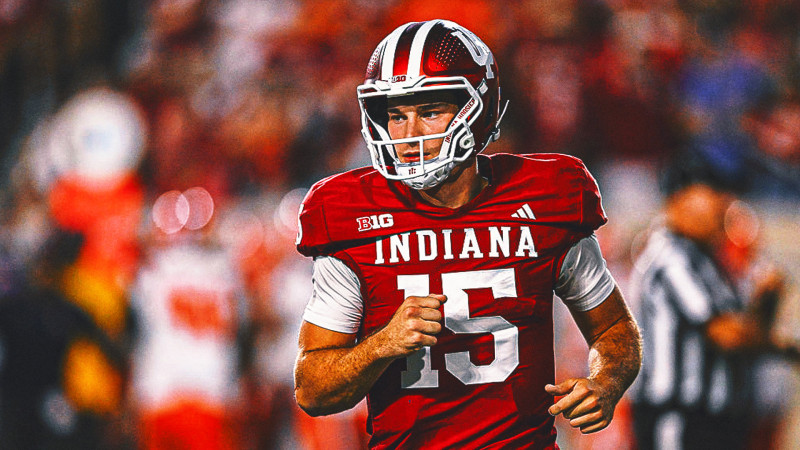 Up next · SportsThe Curious Case of Curt Cignetti and Fernando Mendoza: The Indiana Phenomenon