Nvidia GTC 2026: Jensen Huang's Visionary Keynote Unveils the Future of AI
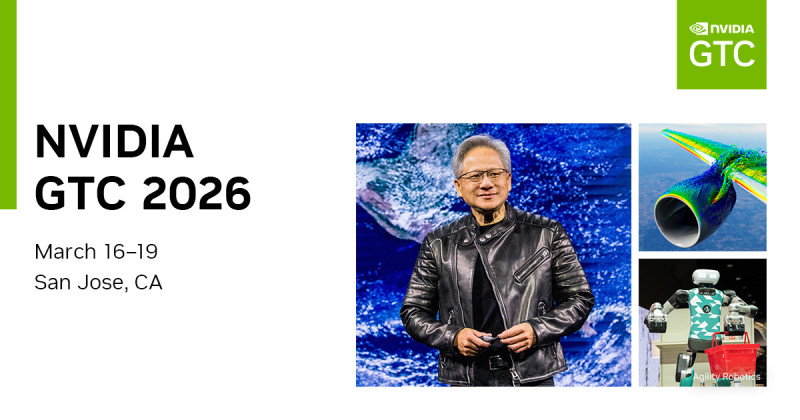
In the fluorescent glare of the SAP Center in San Jose, under the watchful eye of thousands of attendees and millions streaming online, Nvidia GTC 2026 kicked off with a familiar, energetic figure — Jensen Huang, the company's visionary founder and CEO, clad in his signature leather jacket. The air was thick with anticipation, the hum of phones buzzing in pockets as journalists, investors, and tech enthusiasts awaited the unveiling of Nvidia's latest innovations and the future trajectory of accelerated computing and AI.
The Keynote: A Vision of Future Technologies
Jensen Huang’s keynote address at Nvidia GTC 2026 was more than just a product launch; it was a tour de force of technological visions and strategic announcements. Huang began by emphasizing that AI is not just a trend but the future of computing, a sentiment echoed in the conference's focus on AI innovation and the company's forward-thinking roadmap. His speech was a masterclass in how to blend technical jargon with accessible storytelling, making even the most complex ideas about GPU advancements and AI models digestible for a diverse audience. Huang’s passion for innovation was palpable, as he spoke about the transformative potential of AI across industries, from healthcare to autonomous vehicles. Investors and industry analysts were particularly attuned to these announcements, looking for concrete signals about Nvidia's growth trajectory and the potential for new revenue streams.
Groundbreaking AI Innovations and GPU Roadmap
A highlight of the keynote was the unveiling of the next-generation GPUs, a cornerstone of Nvidia's strategy to lead the AI revolution. These GPUs are designed to handle the immense computational demands of AI, allowing for faster training and deployment of machine learning models. The keynote also included the launch of the NemoClaw software platform, a powerful tool designed to simplify the deployment of AI models in various industries, showcasing Nvidia's commitment to making AI accessible and practical. This two-pronged approach of hardware and software innovation is a key part of Nvidia's strategy, ensuring that the company remains at the forefront of AI technology.
The Future of AI: From Chips to Autonomous Vehicles
Huang’s keynote was not just about the present but also about the future. He outlined a three-generation GPU roadmap, providing a glimpse into how Nvidia plans to stay ahead in the rapidly evolving field of AI. This roadmap, along with the confirmation of the Vera Rubin production, offers investors a clear trajectory for Nvidia's growth through 2028. The keynote underscored the vast potential of AI, from chips and infrastructure to autonomous vehicles, highlighting Nvidia's ambitions across the entire AI stack. Huang’s vision extends beyond just the technology, emphasizing the ethical and societal implications of AI and the need for responsible innovation. For example, he stated, "We are at the dawn of a new era where AI will revolutionize every aspect of our lives, and Nvidia is at the forefront, driving this transformation. Our vision is not just about building powerful hardware and software but also about creating a sustainable and ethical future for AI".
The future is already here, and it’s called AI. — Jensen Huang
The keynote left attendees and viewers with a sense of awe and excitement about the future of technology. However, as the audience filtered out of the venue and the live streams went dark, a burning question lingered: how will the tech industry, and society as a whole, adapt to the rapid advancements and implications of AI? What challenges and opportunities lie ahead for Nvidia and its competitors as the race to dominate the next era of computing intensifies? Will Jensen Huang and company be able to maintain their lead, or will new players emerge to challenge their dominance?
How does this story make you feel?
 Up next · TechA Widespread Xfinity Outage Sweeps the Bay Area