U.S. Stock Market Hours Extended in Unprecedented Move

On Monday, a decision by the Securities and Exchange Commission (SEC) to extend stock trading hours to 23 hours a day went into effect, marking a significant shift in the market's operational hours and sparking widespread debate among traders and analysts and. The decision was motivated by global market dynamics and the need to accommodate international investors.
An Overnight Shift in Trading Hours
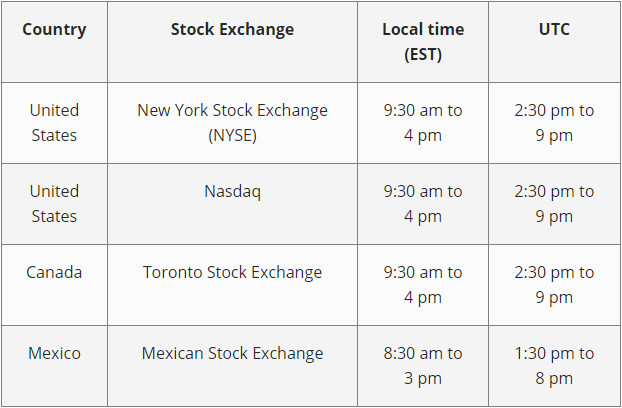
Trading hours on the New York Stock Exchange (NYSE) and Nasdaq now run from 1:30 a.m. to 10:30 p.m. Eastern Time, Monday through Friday. This unprecedented move, set to begin in early December of this year, extends the trading period from the traditional 9:30 a.m. to 4 p.m. ET, marking a transformative change in the trading landscape. The shift will enable investors to trade stocks during extended hours, potentially increasing market liquidity and offering more flexibility to global participants. The move comes after years of consideration and deliberation by the SEC, aiming to align U.S. market hours with the rest of the world. Critics argue that the extended hours could lead to increased volatility and fatigue among traders, while supporters see it as a progressive step towards a more inclusive global market.
Market Reaction and Analysts' Perspectives
The response from the financial community has been mixed. Some analysts predict that the longer trading hours will lead to higher trading volumes and more opportunities for investors to buy and sell stocks. "This decision is about aligning the U.S. market with the rest of the world. It's a bold move that could transform how we think about trading hours," said Robert Johnson, a senior analyst at Kiplinger.
"This move is significant. It's not just about extending trading hours; it's about making the U.S. market more accessible to global investors. This could lead to increased liquidity and more dynamic pricing," says Emma Thompson, a market strategist at Fidelity.
Conversely, others express concern about the potential for market instability and the increased pressure on traders to monitor the market around the clock. "While the benefits are clear, we must also consider the potential downsides. Longer trading hours could lead to heightened volatility and more erratic market behavior," warned John Smith, a trader at Public.com.
A New Era for U.S. Stock Trading
This significant change in U.S. stock market hours is part of a broader trend towards more flexible and extended trading schedules. The decision by the SEC, coupled with technological advancements, signals a new era for stock trading. The extended trading hours are expected to attract more investors, particularly those in different time zones, thereby increasing market participation and potentially driving economic growth. The SEC's decision reflects a strategic move to stay competitive in the global financial landscape, where other major markets have already implemented similar extended trading periods.
How does this story make you feel?
 Up next · BusinessAVGO Stock Soars: What's Behind the Sudden Rise in Broadcom's Valuation?