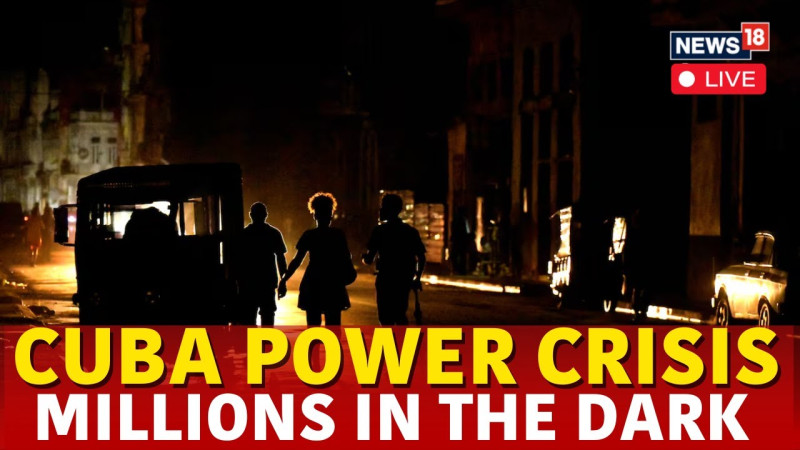
In the fluorescent glare of the briefing room, the hum of phones buzzing in pockets came to an abrupt halt as officials delivered the grim news: Cuba was in the dark. A massive, island-wide power outage had just struck the nation of 11 million people, the latest in a series of blackouts that have become all too familiar to Cubans in recent years.
An Age-Old System Fails Under Pressure
The crisis, which began on Monday, has left much of the island without electricity. Havana, Cuba’s bustling capital, is among the hardest hit, with residents struggling through the darkness. This power outage marks the third major blackout in just four months, and comes amid a U.S.-imposed energy blockade that has exacerbated the island's energy woes. — Government officials report that the collapse of the electrical system was sudden and complete, leaving officials scrambling to understand the cause. Experts cite a combination of factors, including an aging and crumbling power grid and a severe oil shortage.
The U.S. Blockade and Its Impact
The U.S. energy blockade, which began in earnest during the Trump administration, has dealt a severe blow to Cuba’s already fragile power infrastructure. The blockade has restricted the country's access to oil, a critical resource for powering its electrical grid. With limited resources and outdated equipment, Cuba's power grid has become increasingly unreliable, leading to frequent outages and the risk of a complete collapse.
Cuba at a Crossroads: Seeking Solutions Amidst the Darkness
As the blackout continues, Cubans are left to navigate the challenges of daily life without power. Hospitals, schools, and businesses are grappling with the disruption, while residents face long waits for essential services. The economic impact of these repeated outages is significant, with businesses struggling to maintain operations and the broader economy taking a hit. While the exact cause of the latest blackout is still under investigation, many Cubans are looking to the government for solutions. The Cuban government has pledged to restore power as quickly as possible, while also seeking long-term solutions to the energy crisis. One option being explored is the potential for renewable energy sources, such as solar and wind power, to help reduce the country’s reliance on oil and mitigate the impact of future outages.
In the end, the fate of Cuba's power grid remains uncertain, but one thing is clear: the island is at a critical juncture, facing a choice between a return to the familiar but failing past, or a bold leap toward a renewable future. As the lights flicker back on in some parts of the island, Cubans can only hope for a brighter tomorrow — one that is powered by more than just hope.