St. Paddy's Day 2026: The Green, the Beef, and the Beer Debate
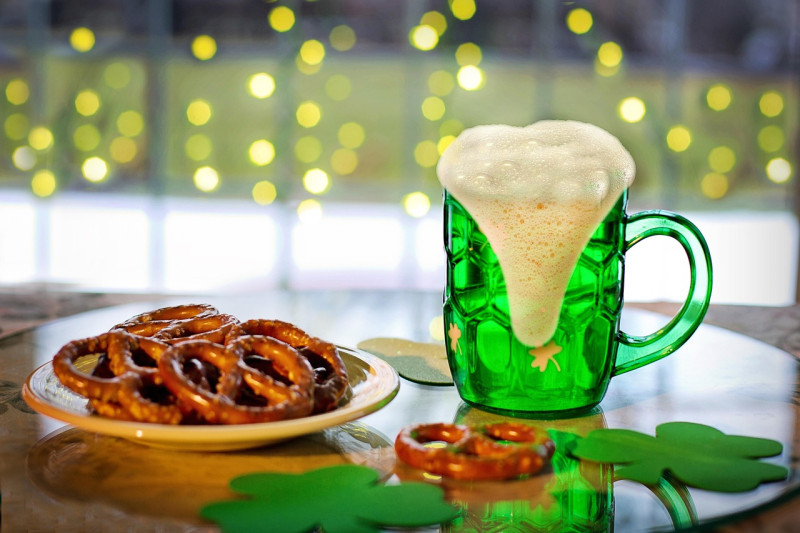
Today, March 17, 2026, marks St. Paddy's Day, a day when the world puts on its greenest attire and celebrates the patron saint of Ireland. Whether it's the correct St. Paddy's or St. Patty's, the day is an amalgamation of rich traditions, parades, and festive food. Here's what you need to know about the day, from the history to the food, and the ongoing debate over the name.
St. Paddy’s Day vs. St. Patty’s Day: The Great Debate
Let's dive into the name debate first. The holiday can be referred to in informal contexts as "St. Paddy's Day" or "St. Paddy's Day". Paddy is the shortened form of the original Irish spelling of Patrick, which is Pádraig. So, why the confusion? Well, "Paddy" is a common nickname for Patrick in Irish culture, making "St. Paddy's Day" the preferred term. "St. Patty's" could be mistaken for the shortened form of the name Patricia, which, frankly, is not what we're celebrating.
The celebration of St. Patrick's Day began centuries ago as a religious feast day in Ireland. Over time, it spread across the globe as Irish emigrants took their traditions with them. Today, it's a global phenomenon, with parades, concerts, and parties. The fact that the holiday was popularized in the U.S. is likely contributing to the confusion regarding how to abbreviate St. Patrick's Day. But here's the thing: you should not use "Patty's" when referencing the day.
St. Patrick's Day Trivia and Traditions
St. Patrick's Day has its fair share of quirky traditions. Wearing green, for instance, is a must. The color green has long been associated with Ireland, and it’s said that wearing it helps you avoid being pinched by mischievous leprechauns. Speaking of leprechauns, they're part of the fun as well. Legend has it that these mythical creatures hide pots of gold at the end of rainbows.
Another hallmark of the day? Drinking Guinness, of course. The Irish stout is as much a part of the holiday as shamrocks and leprechauns. And, of course, there's the food. St. Patrick's Day food typically includes hearty dishes like corned beef and cabbage, Irish stew, and soda bread. Corned beef, in particular, is a nod to the Irish-American experience. It was a cheaper alternative to ham or pork, which were popular in Ireland, and became a staple in Irish-American households.
But let's not forget the parades. The first recorded St. Patrick's Day parade in America was held in Boston in 1737. Today, cities around the world host parades, with New York's being one of the largest and most famous.
From Religion to Party: The Evolution of St. Patrick's Day
St. Patrick's Day has evolved from a religious feast day to a secular celebration of Irish culture. The transition began in the late 20th century when Irish immigrants brought their traditions to America. And then, get this — the holiday became a national phenomenon. It's a day when everyone, regardless of their heritage, can join in the festivities.
As we celebrate this year, it’s worth remembering the man behind the holiday. St. Patrick is believed to have brought Christianity to Ireland in the 5th century. His legacy lives on in this global celebration, a testament to the enduring spirit of Irish culture.
So, whether you're sipping a pint of Guinness, munching on corned beef, or marching in a parade, remember that St. Paddy's Day is more than just a party. It's a celebration of Irish heritage and a day to embrace the green and the cheerful. But here’s a burning question to leave you with: as we celebrate St. Patrick's Day, how much of its true meaning has been lost in the revelry, and what can we do to keep the spirit of St. Patrick alive?
How does this story make you feel?
 Up next · EntertainmentWhite Fox: Marvel's Mysterious New Strategist