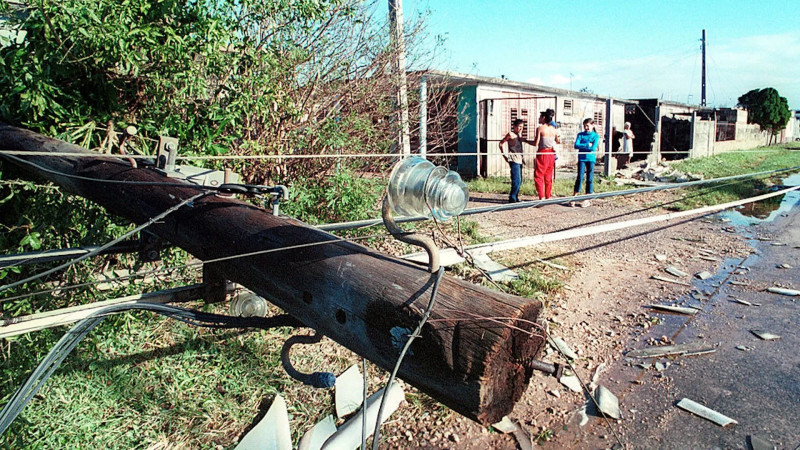
Imagine the vibrant life of Havana suddenly silenced, its bustling streets and lively plazas plunged into an unexpected twilight. This wasn't a planned event, but an abrupt power outage that turned the entire island into a tableau of darkness. On March 16, 2026, Cuba's national electric grid collapsed, leaving roughly 10 million people in the dark. In this blackout, the continuation of Cuban life has been interrupted, and the nation finds itself yet again challenged by an enduring energy crisis.
The Collapse: A Nation Left in The Dark
The power grid collapse was swift and total, affecting every corner of the island. From the bustling capital of Havana to remote rural areas, the absence of electricity was a stark reminder of Cuba's ongoing energy crisis. The outage, which left millions without power, underscored the fragility of Cuba's infrastructure and the escalating impact of economic sanctions. Unlike previous power outages, this event was a comprehensive collapse, leaving the nation without a lifeline to electricity. The national grid operator reported that the outage was widespread and severe, leaving approximately 10 million people without electricity.
The Roots of The Crisis
The collapse of Cuba's power grid is a symptom of a deeper, long-standing issue: the U.S. oil blockade. Imposed decades ago, this blockade has crippled Cuba's ability to maintain and modernize its energy infrastructure. The blockade limits access to essential fuel supplies, making it difficult for the island to keep its power plants operational. The resulting fuel shortages have led to an energy crisis that has become a defining feature of Cuban life. Adding to the complexity, Cuba's power plants rely on outdated technology, exacerbating the strain on the grid and making it more susceptible to collapses.
The Future is Uncertain
As the Cuban government scrambles to restore power, the future remains uncertain. The nationwide outage has left citizens frustrated and worried, as they grapple with the daily challenges posed by the energy crisis. The collapse has also reignited debates about Cuba's energy policies and the potential for alternative energy solutions. Experts suggest that investing in renewable energy sources could mitigate the impact of sanctions and provide a more sustainable future for the island. The Cuban government has expressed interest in exploring these options, but the path forward remains fraught with challenges.
In a statement addressing the collapse, a power grid operator said, "We are working tirelessly to restore power and address the underlying issues. The collapse is a stark reminder of the challenges we face, but also an opportunity to strengthen our energy infrastructure and explore alternative solutions."
As the island nation continues to navigate this latest power grid collapse, the future of Cuba's energy infrastructure hangs in the balance. The blackout has exposed the vulnerabilities of the current system and the urgent need for reform. The question remains: Can Cuba transform this crisis into an opportunity for a greener, more resilient energy future? The collapse also highlights the broader implications of the U.S. oil blockade, which has long been a contentious issue in international relations. The blockade, initially imposed to pressure the Cuban government, has had a profound impact on the lives of ordinary citizens, limiting their access to essential services and resources. As the world watches, Cuba's journey towards energy independence serves as a reminder of the complex interplay between politics and daily life. The island stands at a crossroads, where the choices made today will shape its energy future for decades to come.The blackout of Cuba's power grid is a stark reminder of the challenges the island faces in its quest for energy independence and the urgent need for alternative energy solutions.