Meningococcal Meningitis Outbreak: Unprecedented Spread and Public Panic
Meningococcal Meningitis Outbreak: Unprecedented Spread and Public Panic

A meningococcal meningitis outbreak has sent shockwaves through the Kent region, killing two and sidelining others. The outbreak has triggered a public health emergency, with residents rushing to pharmacies to stock up on vaccines. The meningitis vaccine is the frontline defense, but it's not foolproof. So, what's going wrong?

Unprecedented Spread of Meningococcal Meningitis

The current meningitis outbreak in Kent, involving invasive meningococcal disease, has been described as 'unprecedented' by the health secretary. Two fatalities and 11 confirmed cases paint a grim picture. This strain, Neisseria meningitidis, can cause severe meningitis and bloodstream infections. The rapid spread, especially among young people, is alarming.

So far, the outbreak has hit five schools and the University of Kent, with the disease most common in babies under 1 year. The meningococcal vaccine't availability varies by region, complicating the response.

Why the Public is Panicking

The public's reaction to the outbreak has been one of panic. Reports of residents 'panic buying' jabs highlight the fear gripping the community. The health secretary's acknowledgment of the 'unprecedented' nature of the spread has only intensified concerns.

The public's concern is justified. The data is damning: meningococcal disease can kill within 24 hours of the first symptoms, and the meningitis vaccine isn't always 100% effective. The vaccine shows a 70% to 90% reduction in cases, but that leaves a significant gap.

Counterargument: Vaccines Work, But Not for Everyone

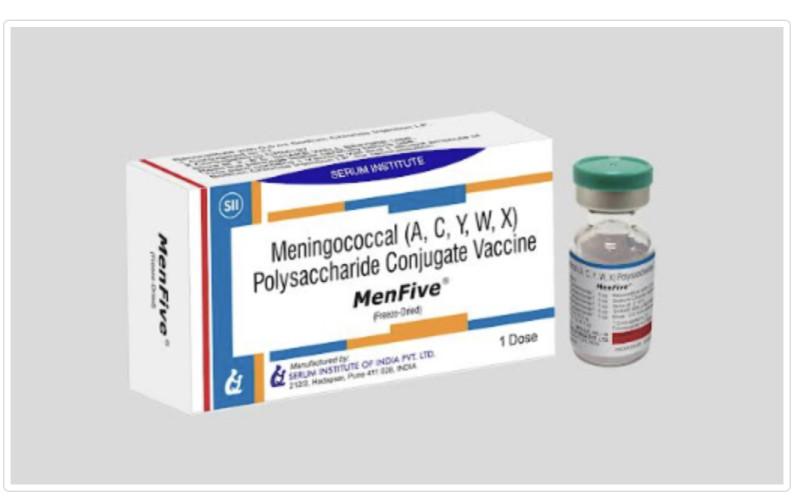
While the panic is understandable, it's important to note that vaccines do work. For example, the MenACWY vaccine offers protection against four types of bacteria that can cause meningitis - meningococcal groups A, C, W and Y. The availability of an affordable conjugate vaccine for serogroup A has dramatically reduced cases and outbreaks in epidemic-prone areas.

However, the risk of outbreaks due to other meningococcal serogroups continues in the region. In the context of the Kent outbreak, the meningitis vaccine isn't a universal shield.

Let's not kid ourselves, the current outbreak highlights the limitations of our vaccination programs. For instance, the MenB vaccine is effective against the more invasive Group B strain, but it's not a guaranteed safeguard. Outbreaks can happen when a particular meningococcal strain enters a community where people are mixing closely.

What's being done to stop the outbreak? Public Health England is working with local health authorities and educational institutions to increase awareness and offer vaccinations. But the question remains: is this enough? Why wasn't the outbreak caught earlier, and what more can be done to prevent future outbreaks?

Meanwhile, the meningitis vaccine remains the best tool in our arsenal, but it's clear that we need to do more. Here's what nobody's asking, though: could a mandatory vaccination program be the answer? Or is that an overreach? What other preventative measures could be implemented?

The meningococcal meningitis outbreak is a stark reminder of the power of infectious diseases and the limitations of our current health strategies. It's time for a more robust, proactive approach to public health.

Partager cet article