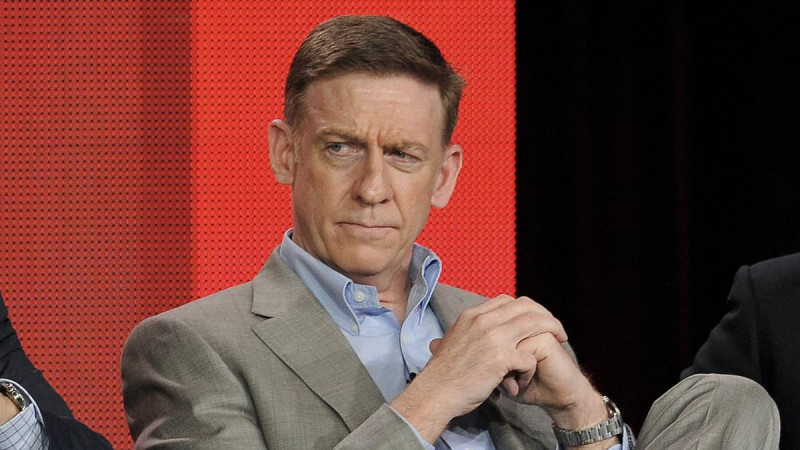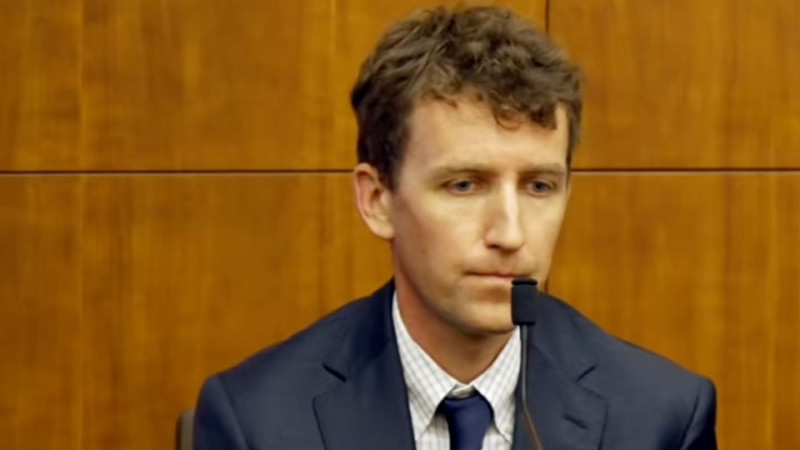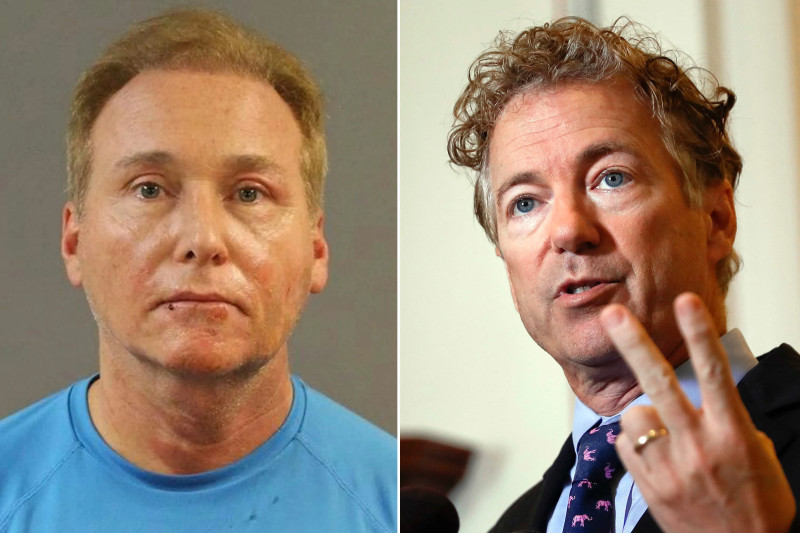
The Senate committee hearing to confirm Markwayne Mullin as Secretary of Homeland Security on March 19, 2026, erupted in a heated feud that quickly morphed into a public airing of old wounds. Sen. Rand Paul wasted no time in accusing Mullin of endorsing violence against him, setting the stage for a contentious exchange.
The Roots of the Rift: Rand Paul's Attacked
The underlying tension between the two senators dates back to an assault on Rand Paul's life in November 2017. The senator was injured in his backyard by a neighbor during an altercation. This incident, which Paul characterized as brutal, has become a focal point in the ongoing feud. Mullin, referring to the incident, publicly stated that he "understands why the neighbor attacked Paul," a remark that has fueled the ongoing animosity.
Beneath the Surface: Temperament and Trustworthiness
Markwayne Mullin's nomination has been under intense scrutiny, with critics questioning his temperament and judgment. Senator Paul explicitly described Mullin as a "man with anger issues," a characterization that Mullin vehemently denied. This exchange highlighted the deep-seated personal animosity between the two senators, which has overshadowed the confirmation process. Mullin is no stranger to controversy and has faced accusations of stolen valor.
The hearing underscored the broader issues within the Republican Party, where personal feuds and political maneuvering often take precedence over substantive policy discussions. The Mullin versus Paul clash is a stark reminder of the partisan divisions that continue to plague the political landscape.
The Senate Homeland Security Committee has been tasked with vetting Mullin's qualifications and fitness for the position, with the Paul versus Mullin feud casting a long shadow over the proceedings.
Let's not kid ourselves, this feud isn't just about personal grievances; it's about the future leadership of a critical national security agency. Here’s what nobody’s asking: How does this infighting affect the department's ability to function effectively in a time of heightened global security threats?
Counterpoint: The Role of Media in Political Feuds
While the personal antagonism between Paul and Mullin is undeniable, it is essential to consider the media's role in amplifying these conflicts. The intense scrutiny and public airing of grievances can sometimes overshadow the substantive issues at hand. Media outlets often focus on the sensational aspects of political feuds, which can distract from the critical policy discussions that should be at the forefront of such hearings.
It's not just about the political theater; it's about the real-world implications of these conflicts. The Mullin versus Paul feud is a microcosm of the broader political landscape, where personal animosities and media narratives often take center stage, sometimes at the expense of policy and governance.
The feud between Rand Paul and Markwayne Mullin is a case study in how personal grievances and political maneuvering can derail important processes. This conflict is a reminder of the challenges faced by the political system and the need for a more constructive and less personalized approach to governance.
"In the end, this isn’t just about two senators; it’s about the integrity of the confirmation process and the future of national security. The real question is: can we rise above these petty feuds and focus on what truly matters?" - Alex Pretti, political analyst.