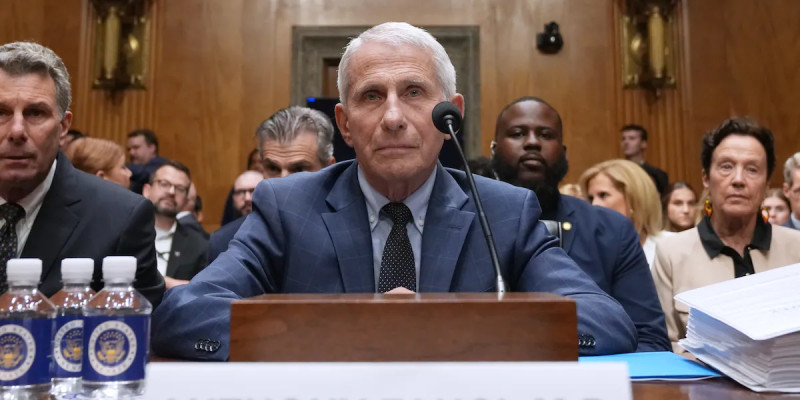
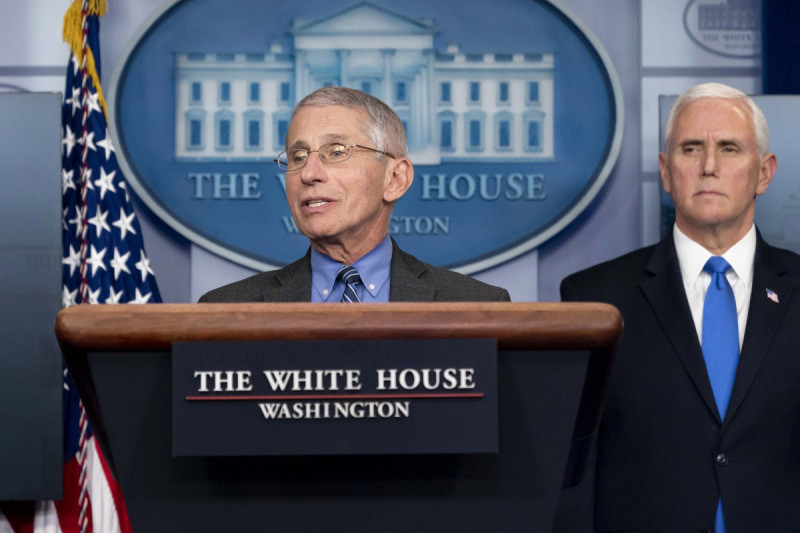
The Fauci Hearing Showdown: A Clash Between Science and Politics
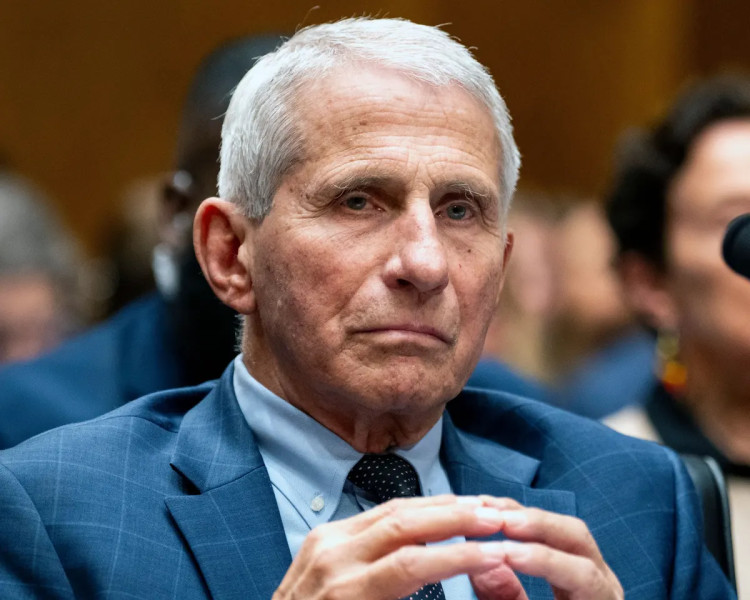
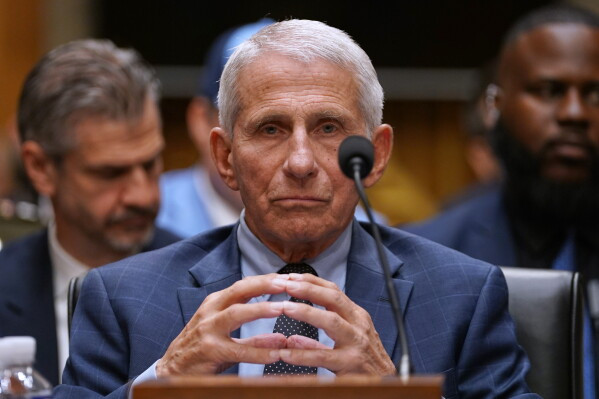
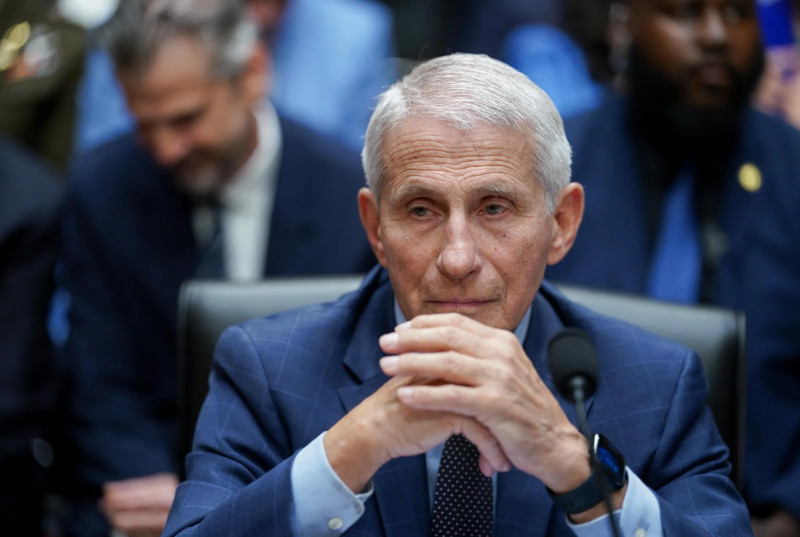
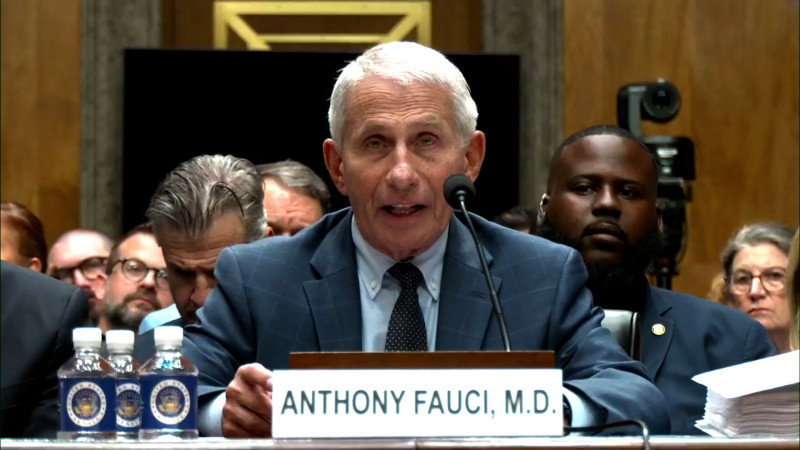
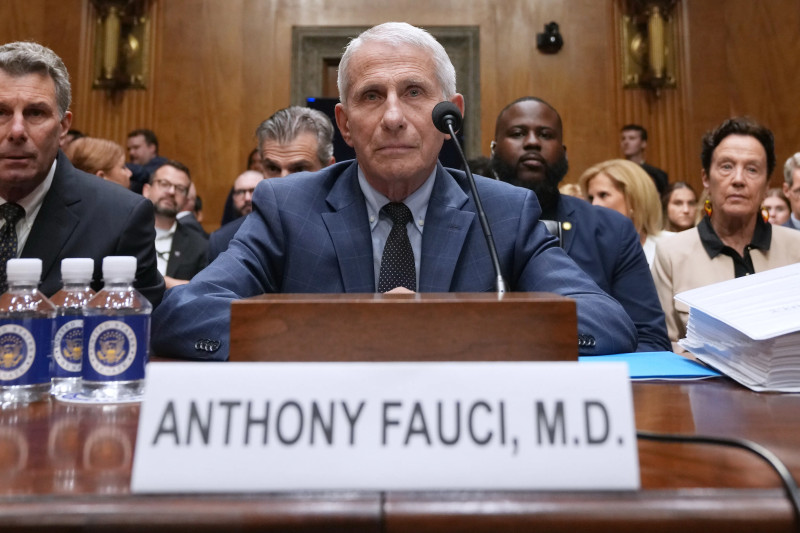
The spectacle of Dr. Anthony Fauci invoking the Fifth Amendment during the heated Senate hearing led by Sen. Rand Paul, R-Kentucky, could be the Washington equivalent of a political volcano. This hearing was one of the most anticipated and dramatic events, marking a collision of science, politics, and legal maneuvering in the wake of the COVID-19 pandemic. The hearing was a rollercoaster of legal and political maneuvers, with Fauci invoking the Fifth Amendment to avoid scrutiny, and Paul leaving no stone unturned in his pursuit of answers.
The Hearing's Stormy Waters: Rand Paul's Quest for Answers
At the stormy center of the hearing was Sen. Rand Paul, who led the Senate committee with a relentless pursuit of answers from Dr. Fauci. Paul's approach was a blend of legal tactics, political rhetoric, and sheer determination. Paul accused Fauci of covering up the origins of COVID-19 and demanded accountability for the pandemic's handling. "The committee would still vote on holding Fauci in contempt of Congress," Paul announced, setting the stage for a legal battle that is just beginning.
One of the most dramatic moments of the hearing was when Paul's committee announced a vote to hold Fauci in contempt, a move that could have far-reaching consequences. The committee's decision to vote on this matter reflects the depth of the divide between the Republican-led Senate and Fauci's stance. Paul's relentless questioning and Fauci's repeated invocation of the Fifth Amendment created a tense atmosphere, with each side digging in their heels.
Sen. Josh Hawley, another Republican, joined the fray, adding to the pressure on Fauci. Hawley's questions were equally probing, further highlighting the political and legal stakes of the hearing. Hawley's involvement underscores the broader political battle surrounding the pandemic and the government's response.
The Fifth Amendment Shield: Fauci's Legal Strategy
Fauci's decision to invoke the Fifth Amendment was a strategic move aimed at protecting himself from potential legal repercussions. The Fifth Amendment, which protects individuals from self-incrimination, provided Fauci with a legal safety net. However, his decision to invoke it more than 100 times during the hearing raised eyebrows and fueled the fire of political tension.
Fauci's invocation of the Fifth Amendment was a bold legal maneuver, but it came with significant political and professional risks. The hearing saw a series of tense exchanges, with Sen. Bernie Moreno, R-Ohio, repeatedly demanding that Fauci apologize to various groups he claimed were harmed by pandemic-era policies. Moreno's questions were a mix of political rhetoric and legal inquiry, aimed at holding Fauci accountable for his actions during the pandemic.
The hearing's legal and political dimensions were further complicated by the looming threat of obstruction charges. Sen. Rand Paul threatened to pursue criminal charges of obstruction against Fauci, despite his pardon for government service. This threat added another layer of complexity to the already tense hearing, with legal experts weighing in on the potential consequences of such a move.
The Senate's Contemplation: Contempt and Consequences
The Senate committee's decision to consider holding Fauci in contempt of Congress is a significant step in this ongoing saga. The vote, set for next week, could have far-reaching implications for both Fauci and the Senate. The committee's decision reflects the high stakes involved in the hearing and the broader political battle surrounding the pandemic.
Dr. Anthony Fauci's role in the COVID-19 pandemic has been a subject of intense scrutiny, with critics accusing him of various missteps and cover-ups. The hearing provided a platform for these accusations to be aired publicly, with Fauci's refusal to answer questions adding fuel to the fire. The hearing's outcome could have significant implications for Fauci's legacy and the broader political and legal landscape surrounding the pandemic.
Amidst the legal and political storm, one thing is clear: the saga of Dr. Fauci and his hearing is far from over. The looming contempt vote and the potential legal repercussions of Fauci's actions during the pandemic will continue to be a focal point of public and political debate. The hearing, with its dramatic twists and turns, has left the public with more questions than answers, and the future of Fauci in government service remains uncertain.
“The committee would still vote on holding Fauci in contempt of Congress,” said Sen. Rand Paul, R-Kentucky, highlighting the gravity of the situation and the potential legal repercussions for Fauci.
As the dust settles on this dramatic hearing, the public is left to ponder the implications of Fauci's Fifth Amendment invocation and the Senate's decision to hold him in contempt of Congress. The legal and political stakes are high, and the outcome of this battle will shape the future of public health policy and political accountability. The question of who will prevail in this epic showdown remains unanswered, but one thing is clear: the saga of Dr. Fauci, Rand Paul, and the Senate hearing is a tale that will continue to captivate and divide the nation. What is certain is that the future will be marked by scrutiny, debate, and perhaps even more legal maneuvers as the nation grapples with the legacy of the COVID-19 pandemic. And as the hearing's spotlight fades, the nation's eyes will remain fixed on the unfolding drama, wondering what the next chapter of this Fauci hearing will bring.
How does this story make you feel?
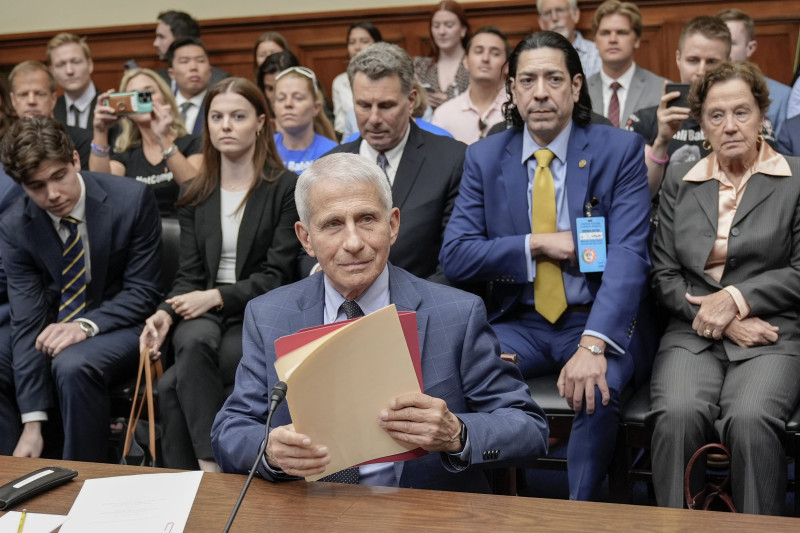 Up next · PoliticsDr. Fauci Invokes Fifth Amendment in Contentious Senate Hearing