Project Hail Mary: A Stellar Journey Beyond the Ordinary
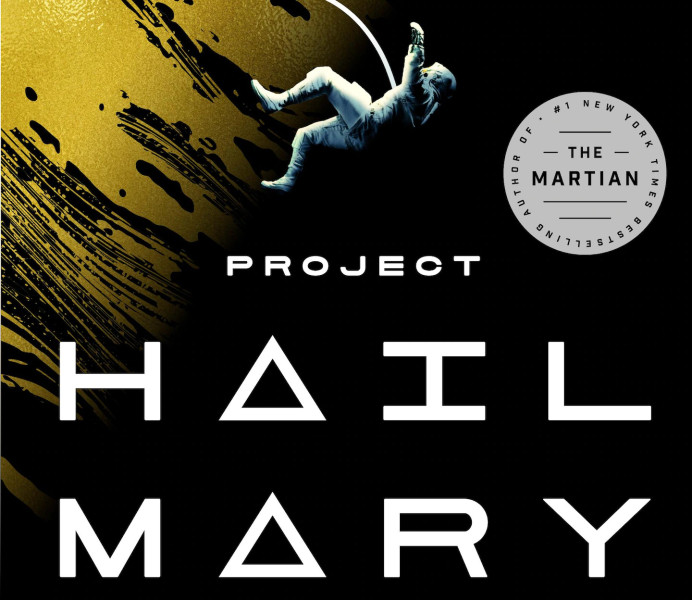
Imagine a lone astronaut, adrift in the cosmic void, carrying the weight of humanity’s survival on his shoulders. This is the premise of Project Hail Mary, a cinematic journey that transcends the boundaries of conventional science fiction. Directed by Phil Lord and Christopher Miller, and featuring Ryan Gosling in a standout performance, the film has captivated audiences with its blend of scientific realism and emotional depth. The story unfolds as a middle school science teacher, Ryland Grace, wakes up alone on a spaceship, light-years from Earth. As his memory returns, he uncovers a mission to stop a mysterious substance killing the sun and save Earth.
Project Hail Mary: From Page to Screen
Based on Andy Weir’s 2021 novel, Project Hail Mary is a testament to the author’s ability to weave intricate scientific concepts into a thrilling narrative. The film adaptation, written by Drew Goddard, remains largely faithful to the source material while making strategic changes to enhance the cinematic experience. Ryan Gosling’s portrayal of Ryland Grace brings a nuanced depth to the character, making his journey both relatable and extraordinary. The film’s success can be attributed to its meticulous attention to scientific detail, which is both accurate and accessible to a broad audience.
The Science Behind the Story: Ryland Grace’s Mission
At the heart of Project Hail Mary lies a complex scientific mission. Ryland Grace, a molecular biologist, is tasked with stopping a mysterious substance that threatens to extinguish the sun. This premise allows the film to delve into advanced scientific concepts, including astrophysics and molecular biology, in a way that is both educational and engaging. The film’s commitment to scientific accuracy is evident in every scene, from the intricate designs of the spaceship to the detailed explanations of scientific phenomena.
Exploring the Differences: Book vs. Movie
While Project Hail Mary stays true to the essence of Andy Weir’s novel, it also introduces notable differences to better translate the story onto the big screen. One of the most significant changes is the toning down of a specific element from the novel, which, according to director Phil Lord, was done to enhance the film’s emotional resonance. Additionally, the film adds new elements to the narrative, including an unexpected friendship that plays a crucial role in Ryland Grace’s journey. These changes not only make the film unique but also add layers of complexity to the story.
“The beauty of adapting a novel like Project Hail Mary is that you get to explore the depths of the characters and the science in ways that a book can’t always convey,” says Andy Weir.
Post-Credit Scenes: Adding Depth to the Narrative
One of the standout features of Project Hail Mary is its post-credit scene, which adds an intriguing layer to the story. Without revealing too much, it’s safe to say that this scene offers a glimpse into the broader universe of the narrative, leaving viewers with more questions than answers. It serves as a teaser for potential sequels or spin-offs, keeping the audience engaged long after the credits roll.
“Project Hail Mary is a movie that keeps you on the edge of your seat, and its post-credit scene is just the icing on the cake,” said a reviewer for Rotten Tomatoes.
Project Hail Mary is more than just a science fiction film; it is a journey through the cosmos, a testament to human resilience, and a celebration of scientific discovery. As Ryland Grace navigates the vast expanse of space, he embodies the spirit of exploration and the unyielding pursuit of knowledge. Viewers are left pondering the vast mysteries of the universe and the human capacity to overcome seemingly insurmountable challenges. The film’s impact will continue to resonate, leaving audiences to ponder the question: in the face of cosmic adversity, what would you do to save humanity?
How does this story make you feel?
 Up next · ScienceWhen Does Spring Start? Mark Your Calendars for March 20, 2026