NASA's Moon Base: From Blueprint to Lunar Reality
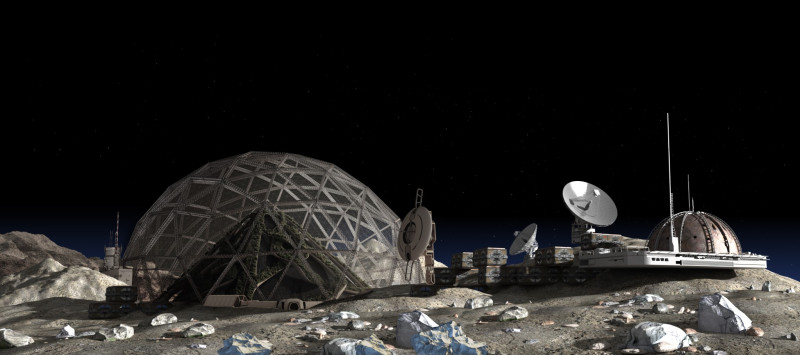
NASA is shooting for the moon — again. A lunar base, high-tech experiments, and an ambitious timeline: This isn’t your grandfather’s space program. But NASA's moon base plans, unveiled this week, are a big deal, and not just for space enthusiasts. There’s a lot riding on this lunar leap, from geopolitics to technological innovation. Here’s the lowdown on what NASA’s got planned, and why you should care.
NASA’s Bold Plan: The Moon Base by 2036
NASA has set its sights on building a permanent moon base near the lunar south pole, aiming to complete this monumental task by 2036. This ambitious plan, announced by NASA chief Jared Isaacman, involves a hefty investment of $30 billion over the next decade. The shift in strategy marks a reprioritization from the Lunar Gateway space station to a ground-based lunar settlement. The reasoning? The moon is a proving ground, a stepping stone to Mars. But let’s zoom in on the details.
The Nuts and Bolts of the Moon Base
So, what exactly will this moon base look like? Picture this: a sophisticated lunar outpost, equipped with living quarters, labs, and even a launchpad for future missions to Mars. The plan is to leverage existing technologies and re-purpose components from the Lunar Gateway project to build this base. But here’s the catch: NASA isn’t going it alone. They’re teaming up with commercial innovators to make this dream a reality. Commercial partnerships are key, given the massive investment required and the technological challenges involved. Think about it: how do you build a base on a surface that’s roughly as hot as a pizza oven by day and as cold as a deep freeze by night? And that’s just the start of the challenges.
Why the Moon? The Geopolitics and Tech of the Lunar Base
NASA’s moon base isn’t just about science and exploration, though those are major drivers. The moon is a strategic asset in the new space race, a race that involves private companies and other nations. It’s a proving ground for technologies that will be crucial for Mars missions, such as nuclear propulsion. Imagine a spacecraft powered by nuclear energy, capable of reaching Mars in a fraction of the time it would take with traditional fuel. That’s the kind of tech NASA hopes to develop and test on the moon. But it’s also about asserting American leadership in space. The moon is a staging point for future deep-space missions, and having a base there gives the U.S. a significant edge. And then—get this—it’s about fostering national pride and inspiring the next generation of scientists and engineers. Sound familiar? It reminds me of the Apollo era, when the space race galvanized a nation and produced some of the most cutting-edge technologies of the 20th century.
Look, the moon base is more than just a science project. It’s a statement, a leap forward in human space exploration, and a testament to what we can achieve when we set our sights high. And who knows what we’ll discover along the way? That’s the beauty of exploration—you never quite know what you’ll find.
"The moon is a place of mystery, a place of wonder, and a place of opportunity. By establishing a base there, we are not just exploring a new frontier; we are writing a new chapter in human history."— Jared Isaacman, NASA Chief.
How does this story make you feel?
 Up next · ScienceNASA's Moon Base Expansion: A $20 Billion Leap Toward Lunar Living