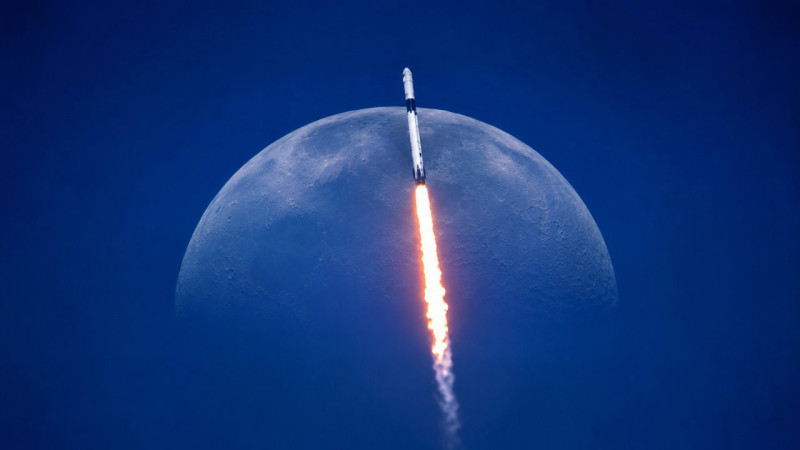
NASA's Moon Base Expansion: A $20 Billion Leap Toward Lunar Living
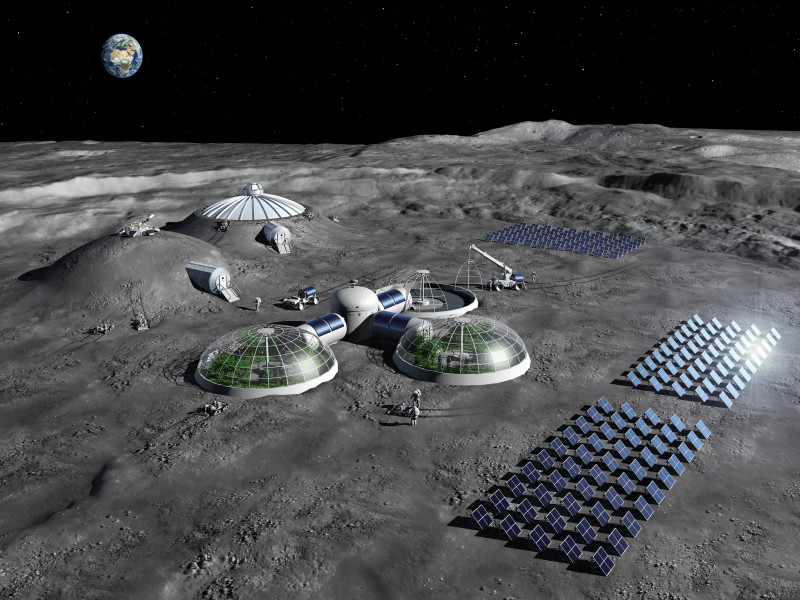
The cold lunar surface is about to get a lot warmer. NASA’s ambitious plan to build a moon base near the lunar south pole just got a $20 billion boost. This isn’t just a small outpost or research station; it's a permanent settlement, complete with habitats, pressurized rovers, and even nuclear power plants. This is more than just a leap for NASA's moon base – it's a giant, heavily funded stride toward making the moon our next home.
A New Era of Lunar Exploration: The $20 Billion Plan
The plan, announced on March 25, 2026, is a bold step forward in NASA's moon base ambitions. The agency will invest $20 billion over the next seven years to establish a moon base that will serve as a launching pad for future missions to Mars and beyond.
This isn’t just about putting a few flags on the moon; it’s about creating a sustainable, long-term presence. The base will feature habitats, pressurized rovers, and nuclear power plants, all designed to support human life in the harsh lunar environment. The location, near the lunar south pole, was chosen for its potential access to water ice, a critical resource for sustaining life and fueling future missions.
The Technology Behind the Lunar Leap
One of the most groundbreaking aspects of this project is the use of nuclear power. NASA plans to use small modular nuclear reactors to provide a steady, reliable source of energy for the moon base. This technology is crucial for maintaining life support systems and powering scientific research in the extreme conditions of the lunar surface.
In addition to nuclear power, NASA is also focusing on innovative technologies like pressurized rovers. These vehicles will allow astronauts to explore the lunar surface safely and efficiently, extending the reach and capabilities of the moon base. The development and deployment of these technologies are part of a broader strategy to make lunar exploration more sustainable and cost-effective, paving the way for future missions to Mars and beyond.
The path to the moon base isn’t without its challenges. NASA’s plan to pivot from the Lunar Gateway space station to a surface base has raised eyebrows and questions about the feasibility and safety of such an ambitious project. Critics point to recent deep government cuts as a potential roadblock, but NASA remains steadfast in its commitment. The agency’s leaders are confident that the benefits of a permanent lunar presence far outweigh the risks and costs.
Think again. The moon isn’t just a destination; it’s a proving ground. The lessons learned from building and maintaining a moon base will be invaluable for future missions to Mars and other celestial bodies. The technology developed for lunar exploration will also have applications on Earth, driving innovation in energy, transportation, and materials science.
NASA’s plan to build a moon base is more than just a scientific endeavor; it’s a testament to human ingenuity and ambition. The $20 billion investment is a bold statement that the future of space exploration lies not just in fleeting visits to other worlds, but in establishing a lasting presence.
"This is a monumental step not just for NASA, but for humanity. By establishing a permanent presence on the moon, we are paving the way for future missions to Mars and beyond. The technologies and knowledge we gain will not only advance space exploration but also benefit life on Earth," said NASA administrator, Jared Isaacman.
So, what comes next? The moon base isn’t just a dream; it’s a tangible, funded, and ambitious project. The next few years will see a flurry of activity as NASA and its partners work to turn this vision into a reality.
Gone. The Lunar Gateway space station, once a cornerstone of NASA’s lunar ambitions, is now just a memory. In its place, a $20 billion moon base stands as a testament to human ambition and the relentless pursuit of the unknown.
How does this story make you feel?
 Up next · ScienceA Whale of a Moment: Sperm Whale Birth Reveals Astonishing Teamwork