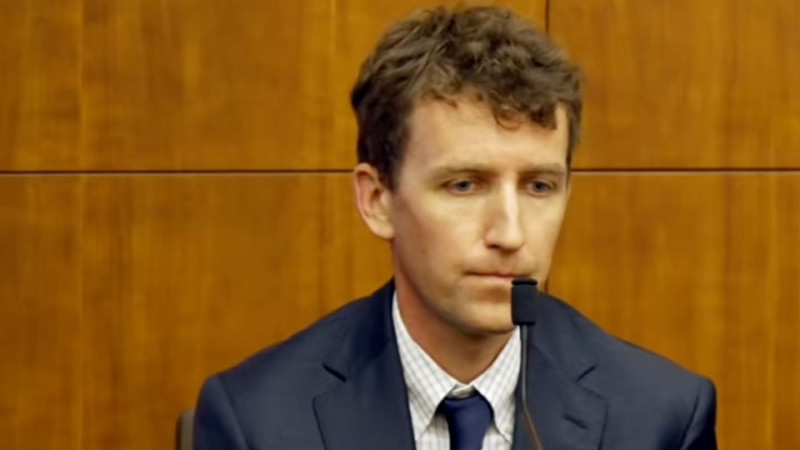
The digital age has brought unprecedented connectivity, but at what cost? On Wednesday, March 25, 2026, a Los Angeles jury delivered a landmark verdict, finding Meta and Google's YouTube liable for $3 million in damages in a social media addiction lawsuit. This trial, which began weeks ago, has sent shockwaves through the tech industry, raising critical questions about the responsibilities of social media giants in the wellbeing of their users, particularly young adults and minors.
The Rise of Social Media Addiction Lawsuits
Meta's flagship platforms, Instagram and Facebook, along with YouTube, have been under intense scrutiny for their role in exacerbating mental health issues among young users. The lawsuit alleges that these platforms are designed to be addictive, leading to a surge in youth mental health crises. State attorneys general, school districts, and parents of affected children have all filed lawsuits, blaming Meta and YouTube for the escalating mental health issues among minors.
This isn't just about a few disgruntled users. According to the plaintiffs, Meta's algorithms are deliberately engineered to keep users engaged for as long as possible, often at the expense of their mental health. The data is damning: studies have shown that prolonged use of social media platforms can lead to anxiety, depression, and even suicidal tendencies. Let's not kid ourselves, the tech giants have always known this, but they've turned a blind eye, prioritizing profits over people.
The plaintiffs argue that the addictive nature of these platforms is no accident. They are meticulously designed to exploit human psychology, targeting young minds that are still developing. The algorithms that power these platforms are constantly evolving, becoming more adept at predicting and fulfilling user desires, which in turn, keeps them glued to the screen. Here's what nobody's asking: what if the solution to this issue is not just regulation, but a fundamental redesign of these platforms?
The Verdict: A Turning Point for Tech Industry
The verdict, which caps a weeks-long trial in Los Angeles, is more than just a financial setback for Meta and YouTube; it could set a legal precedent for similar allegations brought against other social media companies. The jury found Meta and YouTube negligent in the design or operation of their social media platforms. This verdict may pave the way for thousands of similar lawsuits filed by teenagers, school districts, and state attorneys general against Meta, YouTube, TikTok, and Snap, which owns Snapchat.
This isn't just a win for the plaintiffs; it's a wake-up call for the entire tech industry. The verdict is a stark reminder that the digital landscape isn't a lawless frontier where anything goes. Tech giants must be held accountable for the impact of their products, especially when they directly affect the mental health of vulnerable users.
However, it's not all doom and gloom for the tech industry. A counter-argument suggests that the onus shouldn't solely lie on tech giants. Parents and educators also play a crucial role in monitoring and regulating children's social media use. While the verdict is a step in the right direction, it's essential to recognize that a multi-faceted approach is needed to tackle social media addiction.
The Aftermath: What Happens Next?
The future of Meta's and YouTube's social media platforms is uncertain. With the verdict setting a precedent, other tech giants will likely face similar lawsuits, forcing them to reevaluate their platforms' design and operation. This could lead to a radical overhaul of social media apps, focusing more on user wellbeing rather than engagement metrics.
But the question remains: will this verdict be enough to curb the social media addiction epidemic? Only time will tell. However, one thing is clear: the digital age is evolving, and it's high time the tech industry stepped up to the plate and took responsibility for its creations.
As the dust settles on this landmark lawsuit, the digital landscape is set for a seismic shift. Tech giants will have to rethink their strategies, and users will have to take a hard look at their digital habits. The verdict may be a watershed moment, but the real work is just beginning. The social media addiction trial is not just about accountability; it's about the future of digital connectivity and the well-being of generations to come.