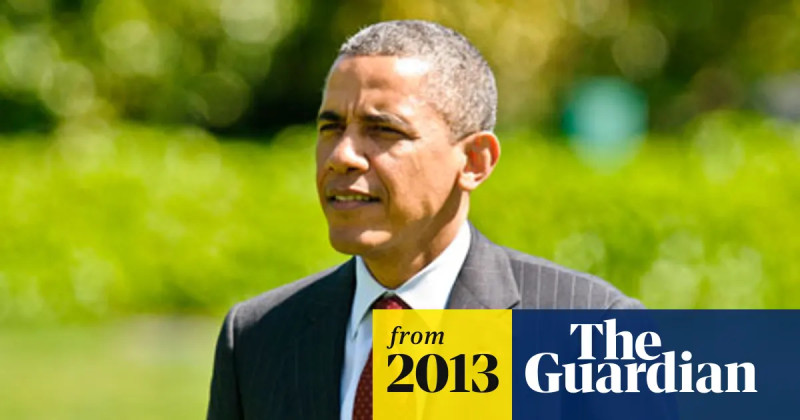
In the ever-evolving realm of political gossip, rumors of Barack Obama being arrested have once again surfaced, leaving many to ponder the veracity of such claims. This time, the false narrative has gained traction due to President Donald Trump's recent posting of an AI-generated video depicting the 44th President of the United States in handcuffs. Amidst a swirl of misleading information and heightened tensions, let's delve into the facts and fictions surrounding this viral controversy.
The Viral Hoax: Obama's Alleged Arrest
The notion of a Barack Obama arrest has been circulating widely, particularly on social media platforms where political fervor often runs high. This latest wave of speculation is driven by MAGA-linked accounts and political commentators who have seized on the rumor, amplifying it through various channels. Theories range from Obama being implicated in the so-called "Russia hoax" to more fantastical scenarios involving declassified documents and political intrigue.
At the heart of this controversy lies a video posted by Trump on his Truth Social platform, which shows Obama being arrested in the Oval Office, clad in an orange jumpsuit. However, the video is a fabrication created using artificial intelligence, designed to fuel the narrative more than reflect reality. Despite its obvious manipulation, the video has sparked widespread debate and misinformation.
Fact-Checking the Claims: What We Know
So, was Obama arrested? The short answer is no. Multiple fact-checking organizations and credible news outlets have debunked the claims, finding no evidence of any arrest or charges against the former president. The AI-generated video, while shocking to some, has been exposed as a hoax, meant to stir emotions and spread confusion.
Fact-checkers have scrutinized the claims and found them wanting. Mainstream news outlets have reported consistently on the absence of credible evidence supporting Obama’s arrest. For instance, The Washington Post has published detailed analyses, debunking the rumors and emphasizing the lack of official statements or legal proceedings corroborating the claims. Overall, it is clear that the Obama arrest rumors are part of a broader political strategy to discredit his legacy and influence public perception.
Political Manipulation and Media Literacy
In the digital age, discerning fact from fiction is increasingly challenging, especially when powerful figures like Trump are involved. The AI-generated video, while a clear example of misleading content, serves as a stark reminder of the potential for manipulation in our information landscape. As readers, we must remain vigilant and critical, verifying information from multiple credible sources before accepting it as truth. It is essential to recognize the tactics used to spread disinformation and to rely on reputable fact-checking resources to stay informed.
This instance of the Barack Obama arrest hoax highlights the broader issue of political manipulation in the media. When Trump posts such videos, he is not just sharing content; he is shaping narratives and influencing public opinion. The impact of these manipulations can be far-reaching, affecting public trust in institutions and political figures. As consumers of information, it is our responsibility to question, verify, and hold those in power accountable for their statements and actions.
Here's the thing: We've seen this act before. The truth is more often hidden behind a veil of sensationalism and political posturing. Whether it's Obama getting 'arrested' or another headline that shocks and stirs, the game remains the same. We must keep our wits about us and never forget to question the source. After all, the fight for truth is ongoing, and every bit of misinformation we debunk brings us one step closer to a more informed and discerning society.