Countdown to Artemis II: NASA's Next Giant Leap
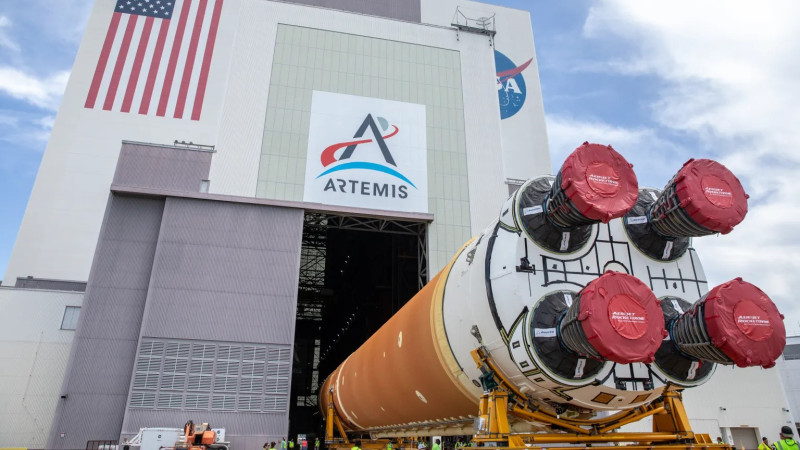
The world is on the brink of witnessing another monumental moment in space exploration. NASA Artemis II is poised to launch on 1st April, 2026, marking the first crewed lunar flyby since the storied Apollo 17 mission of 1972. This mission is not just a return to the moon but a stepping stone towards future deep space missions.
What to Expect from the Artemis II Launch
Picture this: a powerful NASA Artemis rocket launch at the Kennedy Space Center in Florida, sending four brave astronauts on a 10-day journey around the moon. The mission is set to take off on April 1, with a launch window between 6:24 p.m. and 8:24 p.m. ET. If you're thinking, "Why the specific timing?" it's all about aligning with the moon's orbit for the perfect lunar flyby.
Sound familiar? Remind you of anything? This mission is a lot like Apollo 17's last lunar landing, but with a modern twist. The crew will spend about 10 days in space, traveling a whopping 685,000 miles around the moon. And the best part? You can watch the whole thing live.
The Artemis II Mission: A New Era of Lunar Exploration
So, what makes Artemis II so special? For starters, it's the first time NASA has sent astronauts around the moon since 1972. This mission is all about testing the new Space Launch System (SLS) rocket and the Orion spacecraft, which will be crucial for future lunar and Mars missions. Think of it as a dress rehearsal for landing humans on the lunar surface and beyond.
Here's the thing: Artemis II is not just about getting back to the moon. It's about staying there, and eventually moving on to Mars. The mission will test critical systems like life support, navigation, and communication, all essential for long-duration space travel. And then — get this — the crew will even exit the spacecraft to test the new spacesuits designed for lunar surface activities.
Getting to this point hasn't been easy. The mission has faced delays and setbacks, but the excitement is palpable. NASA's Artemis II mission is poised to launch on April 1, and the world is watching. This is more than a launch; it's a return to the moon and a leap towards the future.
Here's what you need to know about the Artemis II launch, crew, and mission: The Space Launch System, or SLS, is a super heavy-lift launch vehicle that will propel the Orion spacecraft. The Artemis II mission will mark the first time astronauts have flown on the SLS. The crew consists of four astronauts who will spend 10 days in space, traveling 685,000 miles around the moon. The mission is a critical step in NASA's plans to return to the lunar surface and eventually send humans to Mars. The mission will test the Orion spacecraft, the SLS rocket, and the new spacesuits designed for lunar surface activities. The launch will take place at the Kennedy Space Center in Florida, with a launch window between 6:24 p.m. and 8:24 p.m. ET on April 1.
So, what's next? After Artemis II, the stage is set for Artemis III, which will actually land humans on the moon's surface. And if that wasn't enough, Artemis IV is in the works to establish a sustainable lunar presence. It's an exciting time to be a space enthusiast, and we're all in for the ride.
Here's the final countdown: With just days to go until the NASA Artemis rocket launch, the world is on the edge of its seat. The final preparations are in full swing, and the excitement is palpable. The crew is ready, the rocket is ready, and the world is ready to watch history in the making.
The Artemis program is our first step in exploring deep space with astronauts and establishing a sustainable presence on the lunar surface, preparing us for future missions to Mars and beyond. This mission is the next step in our journey to Mars. - NASA Administrator Bill Nelson
How does this story make you feel?
 Up next · ScienceUnpacking the Super El Niño Phenomenon of 2026: A Potential Weather Game-Changer