Understanding Red Flag Weather Warnings: A Critical Look
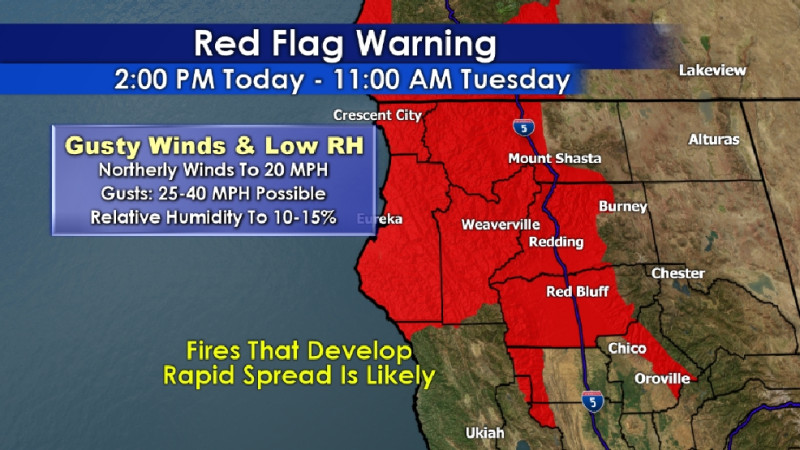
Red Flag Weather Warnings are more than just weather alerts; they are crucial indicators of impending danger, especially in areas prone to wildfires. The National Weather Service (NWS) issues a Red Flag Warning when conditions are ripe for wildfires to ignite and spread rapidly —a stark announcement that demands immediate attention from residents and authorities alike.
When Conditions Turn Critical: What Triggers a Red Flag Warning?
Red Flag Warnings are issued when the combination of warm temperatures, very low humidity, and strong winds increases the risk of fire danger significantly. These conditions can transform even the smallest spark into a raging wildfire. Such warnings are typically issued during the spring and fall fire weather seasons, from February 15 to April 30 and October 1 to December 15, but can occur at any time if the conditions warrant it. The NWS considers various factors, including drought conditions, vegetation type, and topography, to determine the specific criteria for issuing a warning in different regions.
Living Under the Threat: How Red Flag Warnings Affect Daily Life
Living under a Red Flag Warning means more than just avoiding outdoor barbecues; it requires a heightened state of awareness and preparedness. Residents in affected areas must adhere to strict guidelines to minimize the risk of fires. Burn barrels must be covered with weighted metal covers, ensuring no sparks can escape. Fire restrictions, including bans on open burning, are often enforced during these periods. The public is urged to be vigilant, reporting any signs of fire immediately to local authorities. The goal is to prevent even the smallest fire from escalating into a catastrophic event.
Why Red Flag Warnings Matter: A Historical Perspective
The term "Red Flag Warning" has been used by the National Weather Service since the 1960s, a legacy that underscores the long-standing importance of these alerts. Over the decades, the NWS has refined its criteria and prediction models to provide more accurate and timely warnings. The collaboration between the NWS and local land management agencies ensures that communities are well-prepared to face the threat of wildfires. The historical record of wildfires highlights the critical role that Red Flag Warnings play in mitigating the devastating impact of these natural disasters, especially in regions like Myrtle Beach, where the combination of dense vegetation and dry conditions can exacerbate fire risks.
For those in Myrtle Beach, understanding the significance of a Red Flag Warning can mean the difference between safety and disaster. As communities continue to face the challenges posed by climate change and unpredictable weather patterns, the importance of these warnings remains as crucial as ever. Looking ahead, experts predict that the frequency and intensity of wildfires could increase, making it even more essential for communities to stay informed and prepared. The next critical threshold to watch will be the upcoming fire season, where the combination of weather conditions and human activities could once again test the resilience of firefighters and residents alike. Historically, the early 20th century saw catastrophic fires across the United States, but the lessons learned then have shaped the modern warning systems we rely on today. The parallels are clear: vigilance and preparedness are the first lines of defense against nature's unpredictable fury.
How does this story make you feel?
 Up next · ScienceThe Artemis II Moon Mission: Anticipation Builds as Launch Nears