Air Canada CEO Michael Rousseau: A Controversial Exit
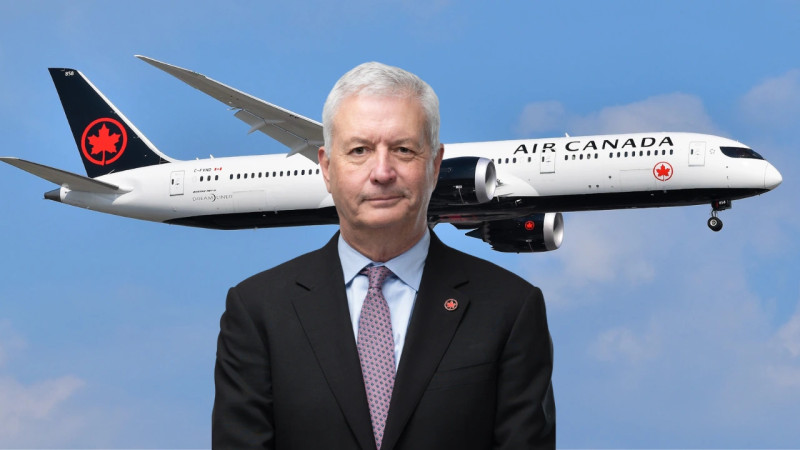
In a move that has sparked significant debate and controversy, Air Canada CEO Michael Rousseau is set to retire by the end of the year, marking the end of a nearly two-decade tenure with the airline. Despite his extensive experience and leadership, Rousseau's departure has been mired in turmoil following an English-only condolence message after a deadly crash at New York's LaGuardia Airport. The incident has reignited debates about language policies and cultural sensitivity within Canada's aviation industry.
Rousseau's Controversial Condolence Message
On the heels of a tragic crash that claimed dozens of lives, Michael Rousseau released a condolence message that was received poorly by many. The message, delivered entirely in English, drew sharp criticism from various quarters, especially from French-speaking Canadians who felt marginalized by the lack of inclusivity in the communication. The incident came as a rude shock to many, especially considering Rousseau's extensive tenure at the helm of the airline.
Rousseau's failure to communicate in both official languages of Canada, English and French, became a flashpoint for broader discussions about language rights and the role of bilingualism in national and corporate communications. The backlash was swift and severe, with prominent figures like Mark Carney and Prime Minister Justin Trudeau weighing in on the issue, underscoring the importance of respecting Canada's linguistic diversity.
The Road to Retirement
The fallout from the condolence message was swift and uncompromising. Michael Rousseau's retirement, initially scheduled for later this year, was announced by the end of March, amidst mounting pressure from the public and political circles. The airline has now signaled its intention to appoint a new CEO with "the ability to communicate in French," reflecting a renewed commitment to bilingualism and cultural sensitivity.
As Air Canada seeks a new leader, the company remains a pivotal player in Canada's aviation landscape, boasting an extensive network that spans six continents. Its freight division, Air Canada Cargo, continues to be a key player in the global logistics market, leveraging the airline's vast network and operational capabilities.
Despite the turbulence surrounding Rousseau's departure, the airline is pressing ahead with its climate-related ambitions, including a long-term goal of achieving net-zero greenhouse gas emissions by 2050. This commitment underscores the airline's ongoing efforts to balance operational excellence with environmental stewardship.
The Counterargument: Leadership in Turbulent Times
While the controversy surrounding Rousseau's departure has dominated headlines, it's essential to acknowledge the complex challenges faced by airline executives in the modern era. The aviation industry is grappling with an array of issues, from fluctuating fuel prices to the ever-evolving regulatory landscape, and the need for effective communication and leadership has never been greater.
Rousseau's tenure at Air Canada was marked by significant achievements, including the expansion of the airline's network and the successful integration of new aircraft technologies. His experience and leadership during this period have undoubtedly contributed to the airline's current standing as a global player in the aviation sector.
However, the recent controversy highlights the need for executives to be mindful of the nuances of communication and the importance of cultural sensitivity, particularly in a bilingual country like Canada.
The departure of Michael Rousseau marks a pivotal moment for Air Canada, as it navigates a delicate balance between operational excellence and cultural inclusivity. As the airline searches for a new leader, the spotlight remains firmly on its commitment to bilingualism and the critical role of effective communication in fostering a unified national identity.
How does this story make you feel?
 Up next · EntertainmentTaryn Manning's Palm Springs Showdown: Unraveling Hollywood's Latest Drama