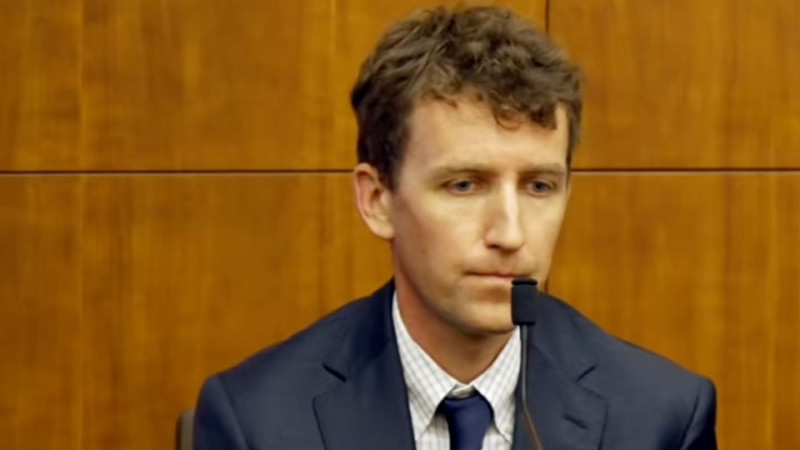
Staff Sergeant Matthew Blank of the U.S. Army had planned a future with his wife, Annie Ramos, at Fort Polk, Louisiana. Just days after celebrating their marriage, their plans were shattered when ICE agents detained Ramos on the base, leaving Blank aghast and the nation questioning the timing and tactics of immigration enforcement.
The Shocking Arrest
Annie Ramos, a 22-year-old college student with no criminal record, was arrested by ICE agents just days after her wedding to Sergeant Blank. The couple, newly married, had gone to Fort Polk to start their life together and for Ramos to secure military spouse benefits.
Staff Sgt. Blank, who has been in the Army for over five years, was taken aback when immigration forces swooped down on his base and arrested his new bride. Ramos, who came to the U.S. as a toddler, had been living in the country without legal documentation.
Blank described the scene, saying, “She got ripped away from me.” The couple had plans to begin a new chapter of their lives together, but those plans were abruptly halted. Blank was due to start training for deployment at the end of the month, adding an extra layer of chaos to their situation.
This incident has sparked an outpouring of sympathy and outrage on social media, with many questioning the timing of the ICE raid. Viral posts and online discussions have highlighted the cruelty of detaining a person so soon after their wedding, suggesting a lack of empathy in the enforcement tactics.
The Context of Military and Immigration Policies
This case raises critical questions about the intersection of military and immigration policies. The military has long-standing policies to support the families of service members, including spousal benefits and support for immigration status. Yet, ICE’s actions at Fort Polk underscore a glaring disparity between these policies and their enforcement on the ground.
The incident highlights the challenges faced by undocumented immigrants married to U.S. service members. In many cases, these individuals face deportation despite being married to active-duty personnel. This case is not the first instance of such an arrest, and it likely won't be the last, given current policies.
However, some argue that the enforcement of immigration laws must be rigorous to maintain the integrity of the system. They contend that exceptions for military families could encourage further undocumented immigration, straining resources and potentially compromising security.
Yet, let’s not kid ourselves—the data is damning. The personal and emotional trauma inflicted on these families is real, and the potential disruption to military readiness is significant. The military relies on the stability of its personnel, and actions like these can undermine that stability.
Here’s what nobody’s asking: Why is there no streamlined pathway for undocumented spouses of service members to gain legal status? This is a critical gap in policy that needs addressing.
The Aftermath and Future Implications
Ramos’s arrest has left a family in turmoil and a soldier distraught. The future of their relationship and Ramos’s immigration status remains uncertain. This incident serves as a stark reminder of the human cost of immigration enforcement and the need for a more compassionate and comprehensive approach to immigration policy.
As the nation grapples with this case, it’s clear that the intersection of military and immigration policies needs urgent review. The military’s role in national security and the emotional well-being of service members and their families must be balanced with the enforcement of immigration laws. The question remains: Can we find a compromise that respects both the military’s needs and the humanitarian concerns of immigrant families?
Annie Ramos’s detention at Fort Polk isn’t just about one family’s tragic story. It’s about the broader implications of immigration enforcement and the urgent need for policy reform to protect the families of our service members. This case underscores the necessity for a balanced approach that respects both national security and the emotional welfare of those who serve.