SpaceX Rocket's Moon Crash: A Cosmic Conundrum
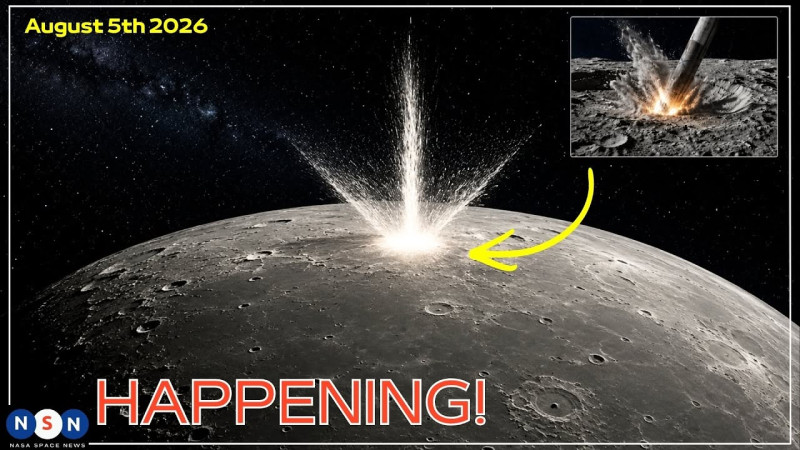
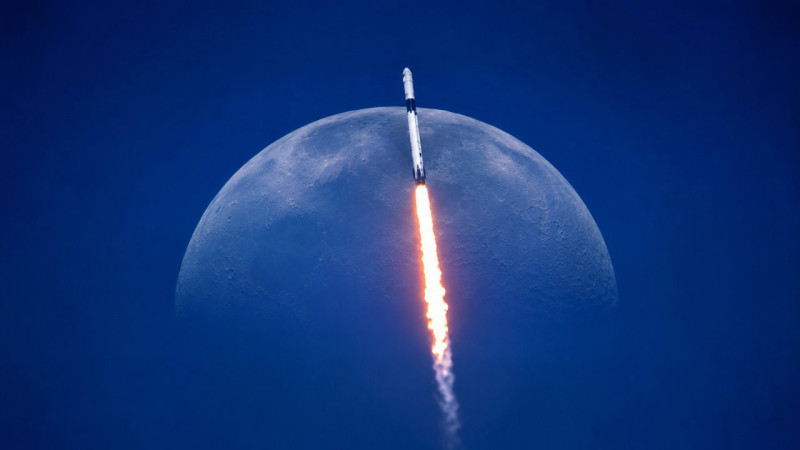
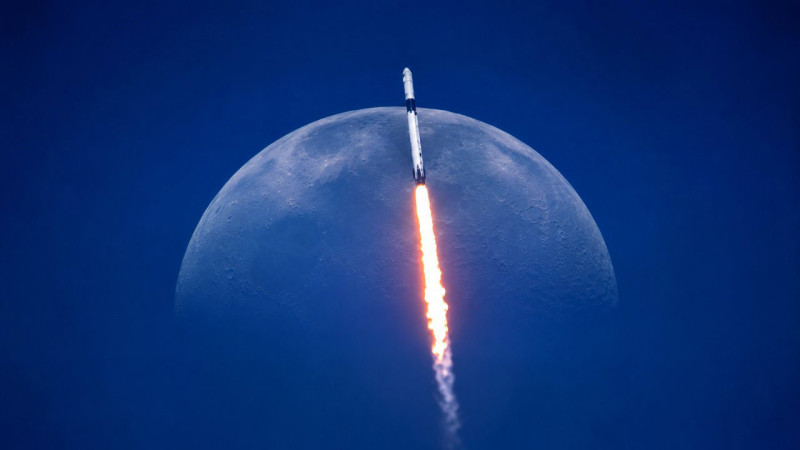
Early on a morning of August 5, 2026, humanity will witness a SpaceX Rocket crashing into the moon. This unplanned lunar collision marks a significant, albeit unintended, milestone in space exploration. The 8,800-pound upper stage of a Falcon 9 rocket, which sent landers to the moon in 2025, is hurtling towards the lunar surface at a staggering 5,400 miles per hour.
The Unlikely Journey of a Falcon 9 Rocket
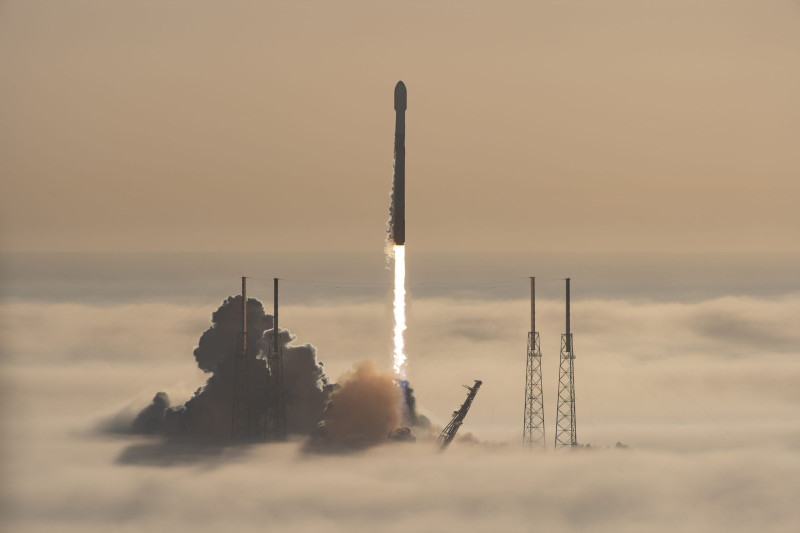
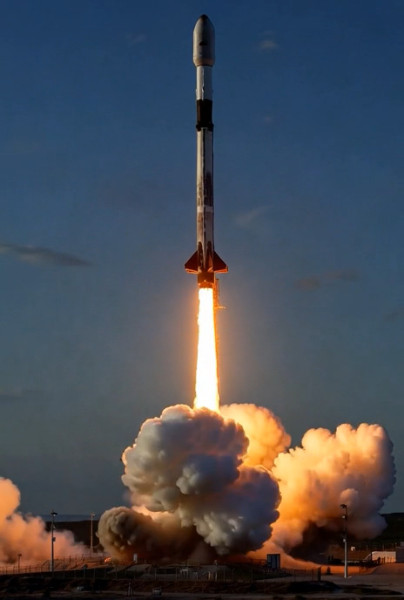
The Falcon 9 rocket, launched on January 15, 2025, has been on an unexpected journey. Originally designed to carry private landers to the moon, the upper stage failed to complete a controlled de-orbit and has been drifting through space ever since. This errant booster is now on a kamikaze course destined to create a new crater on the lunar surface.
Scientific Curiosity and Concerns
While the collision poses no direct threat to Earth, scientists are preparing to study the effects of this human-made impact. The moon's surface is already pockmarked with craters from natural meteoroid impacts, but this event will add a unique, artificial scar. Researchers are eager to analyze the crater and the debris it will kick up, which could reveal insights into the moon's composition and the behavior of high-speed impacts.
However, let's not kid ourselves: this event underscores the growing problem of space debris. As more nations and private entities venture into space, the risk of such incidents increases. While the SpaceX moon crash is a one-off event, it serves as a reminder about the need for better debris management strategies in space.
Uncharted Territory: The Legal and Ethical Implications
This incident also raises intriguing legal and ethical questions. Who is responsible for this lunar collision? What if the impact had occurred on a different celestial body, or worse, on a planet with potential life? The Outer Space Treaty of 1967, which governs space activities, does not explicitly address the issue of space debris. This event could potentially set a precedent for future space law, compelling nations and companies to take more responsibility for their space waste.
There's also the matter of planetary protection. While the moon is unlikely to be hosting any extraterrestrial life, the same cannot be said for other celestial bodies. Future missions to places like Mars or the icy moons of Jupiter must take extra precautions to avoid contaminating these worlds with Earth microbes.
Despite the potential insights, this event is a stark reminder of the need for spacefaring entities, including SpaceX, to prioritize debris management and responsible space exploration. Let's hope that future missions, including those to the moon, Mars, and beyond, learn from this incident and strive for a cleaner, safer cosmos.
“Every moment in space is a lesson. This collision, though unintended, is a wake-up call for space sustainability. We must learn from it, and use it to shape a more responsible future for space exploration.”— Dr. Emily Li, space policy expert,
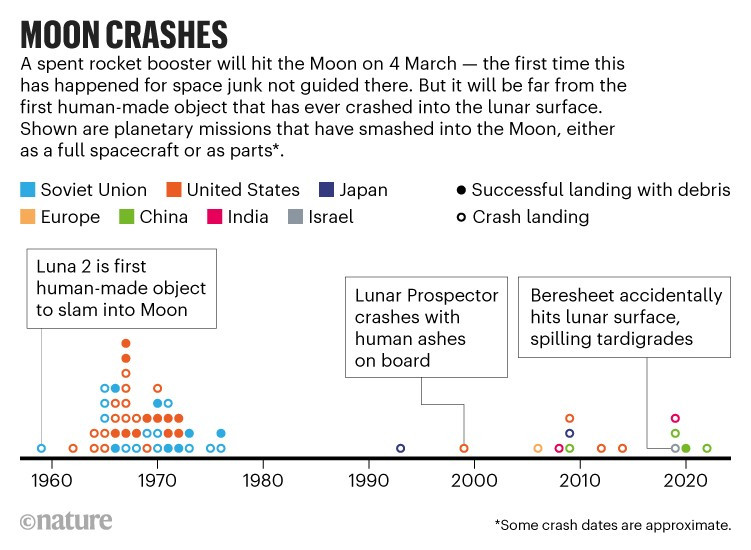
As we watch the SpaceX rocket crash into the moon today, let us consider the broader implications of this event. This lunar collision serves as an unexpected reminder of the human impact on our celestial neighbors, much like the first human-made object, the Lunar Module, that landed on the moon in 1969. It is a testament to our reach, but also to our responsibility as stewards of the cosmos. The SpaceX rocket crash into the moon is not just a cosmic spectacle but a call to action for responsible space stewardship.
How does this story make you feel?
 Up next · ScienceSpaceX Rocket to Crash into the Moon: A Lunar Impact Event