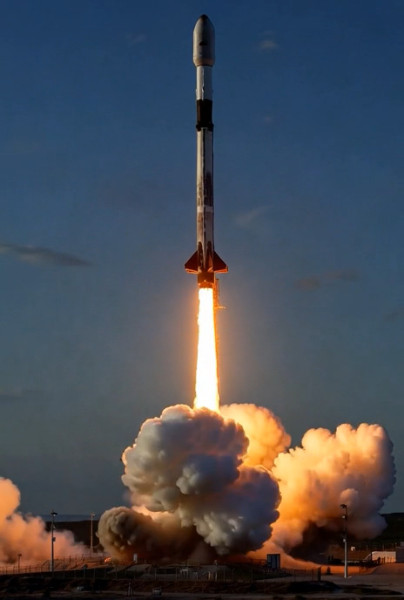
SpaceX Rocket to Crash into the Moon: A Lunar Impact Event
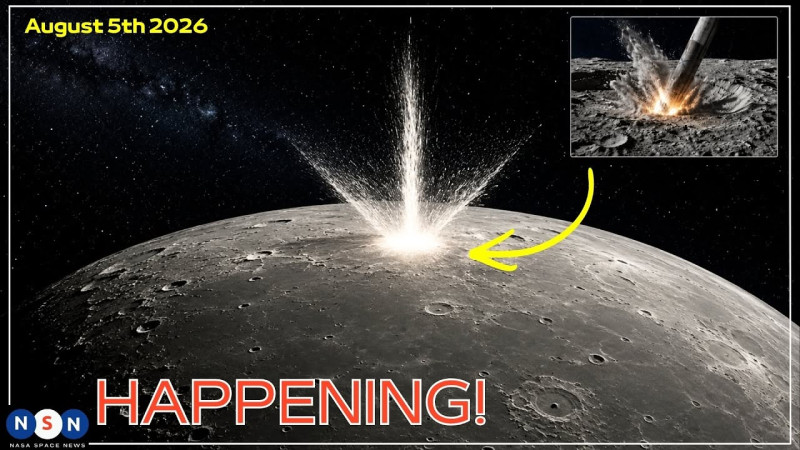
In a rare and dramatic event, a SpaceX rocket is set to crash into the moon on August 5, 2026. The SpaceX moon crash is expected to occur at approximately 07:35 BST, marking a significant and unprecedented collision with the lunar surface.
The SpaceX Rocket on a Collision Course
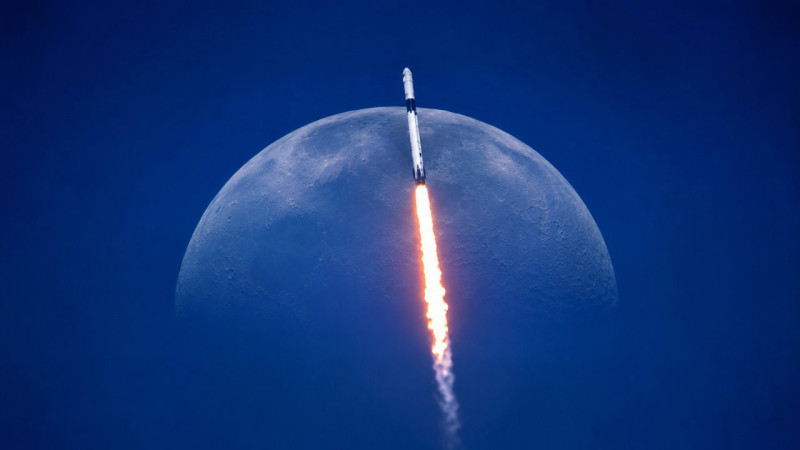
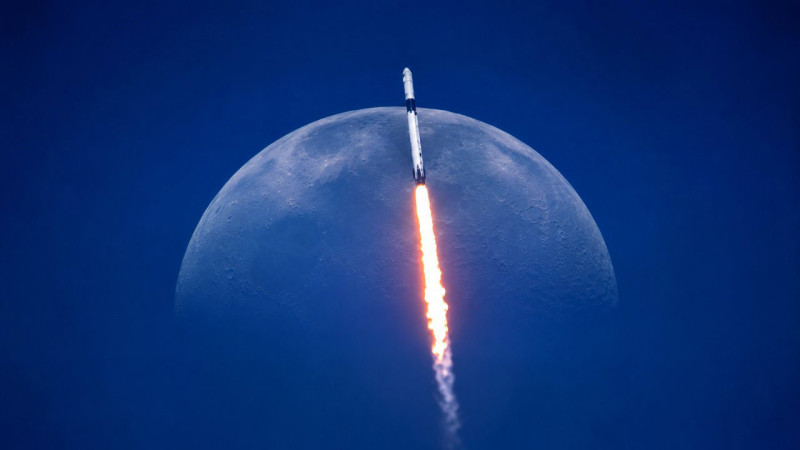
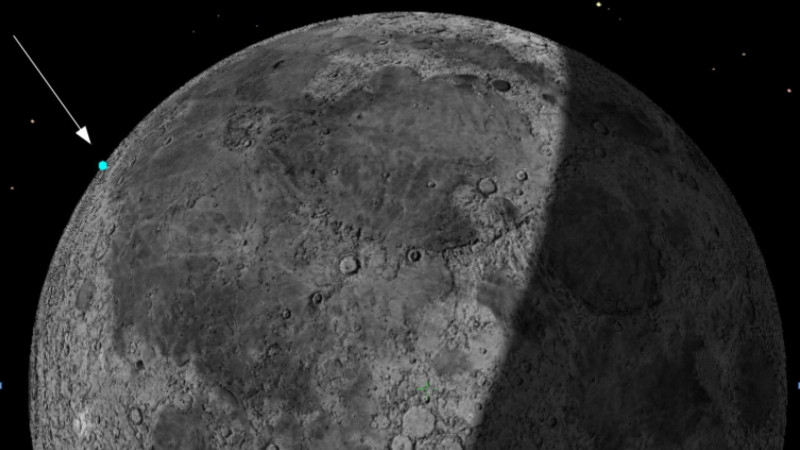
The upper stage of a SpaceX Falcon 9 rocket, launched in January 2025, is on a trajectory to impact the moon. Weighing approximately 4 metric tonnes, this piece of space debris will strike the lunar surface near Einstein Crater at a staggering speed of 5,400 miles per hour, or 8,700 kilometers per hour. This SpaceX rocket moon crash is a rare instance of a man-made object colliding with the moon, setting the stage for potential new discoveries.
Impact and Aftermath
The collision will create a fresh crater on the moon’s surface, providing scientists with an opportunity to study the impact and its effects. This event is not only a fascinating display of celestial mechanics but also a potential risk for future lunar missions. Understanding the impact of such collisions could be crucial for protecting future lunar astronauts by ensuring the safety of the lunar environment.
The exact location of the impact near Einstein Crater on the western lunar limb presents a unique challenge for observation. However, scientists are eager to analyze the data collected from the event. This unprecedented collision could reveal insights into the moon’s geological composition and the dynamics of space debris.
Several scientists and experts highlight the scientific value of this event. "This is a unique opportunity to study the effects of a high-velocity impact on the lunar surface. The data we gather could inform future missions and help us better understand the moon’s geology," said Bill Gray, who runs Project Pluto and develops software for tracking space debris.
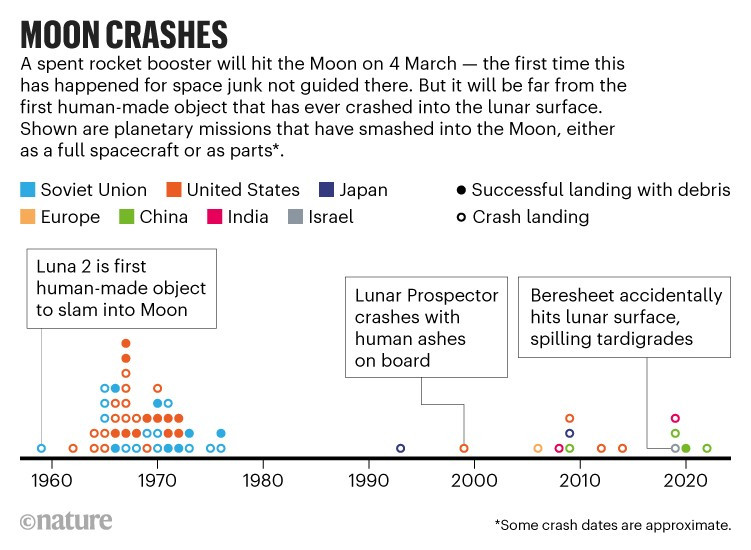
This event is the latest in a series of unintended collisions with the moon. While it is rare, the SpaceX rocket moon crash will not be the first time a man-made object has impacted the lunar surface. Previous impacts, including those from other spacecraft and rockets, have provided valuable scientific data that could inform future lunar exploration.
The Next Thing to Watch
The exact impact time for this SpaceX rocket moon crash is 07:35 BST on August 5. Space enthusiasts and scientists alike will be closely monitoring the event, hoping to gather as much data as possible. The next key date to watch will be the release of preliminary findings from the impact study, expected in the coming weeks. The scientific community eagerly anticipates the insights this event will provide, potentially reshaping our understanding of lunar geology and the risks posed by space debris.
How does this story make you feel?
 Up next · ScienceCategory 5 Dust Storm Slams Phoenix, Leaving City in Shambles