As the sun sets over Minneapolis tonight, the air is thick with anticipation and a sense of unease. The wail of tornado sirens has once again echoed through the city streets, an all-too-familiar sound during severe weather awareness week. The annual drill, scheduled for today at 1:45 p.m. and 6:45 p.m., is a stark reminder of the potential danger that lurks in the skies above Minnesota.
Understanding the Purpose of Statewide Tornado Drills
Today, Minnesotans are no strangers to the eerie sound of tornado sirens. The tornado sirens are going off as part of the annual statewide tornado drill, a critical component of Severe Weather Awareness Week. This drill is not just a routine exercise; it's a lifeline, ensuring that communities are prepared for the real threat of severe weather. The first drill went off at 1:45 p.m., and the second is scheduled for 6:45 p.m., a reminder to stay vigilant even on a seemingly calm and sunny day.
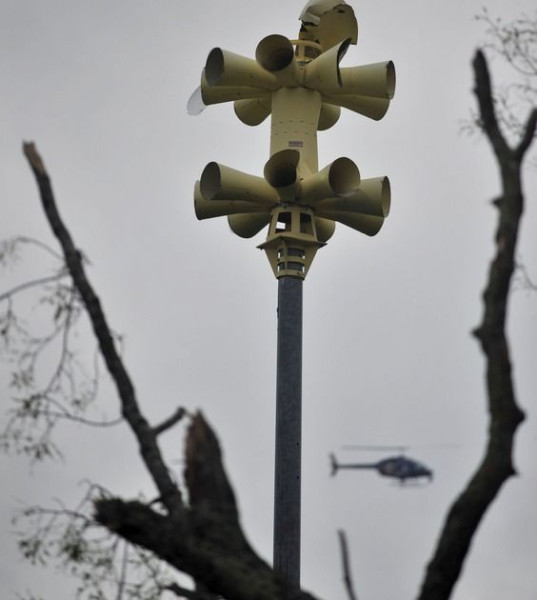
During these drills, the sirens blare across the state, mimicking an actual tornado warning. This simulated scenario is designed to keep residents alert and ready to take immediate action if the need arises. The sirens are a crucial part of the warning system, providing a clear and audible signal that danger is imminent.
The Importance of Preparedness During Severe Weather
Let's not kid ourselves: severe weather is a reality in Minnesota, and preparedness can mean the difference between life and death. The tornado drills are more than just a test; they are a vital practice run for what could be a deadly situation. For residents, the sirens serve as a call to action, signaling the need to seek immediate shelter and stay informed about the weather conditions.
However, there are those who might question the necessity of such frequent drills. Some argue that the constant alarms could lead to desensitization, making people less likely to respond appropriately during a real emergency. Critics suggest that alternative warning systems, such as mobile alerts, could be more effective in reaching a broader audience.
In response to this counter-argument, it's important to note that the combination of sirens and mobile alerts provides a comprehensive warning system. Sirens are essential for reaching those who may not have access to mobile devices or who are outdoors when a warning is issued. The dual approach ensures that no one is left uninformed, even in the most vulnerable situations.
Historical Context and Future Preparedness
When severe weather strikes, the importance of these drills becomes abundantly clear. Minnesota has a history of tornadoes, with documented events dating back to 1680. The state's geographical location and weather patterns make it particularly susceptible to these violent storms. The historical data on tornadoes in Minnesota serves as a sobering reminder of the need for ongoing preparedness and awareness.
For example, the Twin Cities area has experienced several significant tornado events, each leaving a lasting impact on the community. The drills, therefore, are not just about compliance; they are about building a culture of safety and resilience.
The most important lesson from these drills is that preparedness saves lives. By practicing what to do during a tornado warning, residents can ensure that they are ready to act swiftly and decisively when the real threat arrives.
As we reflect on the ongoing drills, it’s clear that the community’s response to severe weather is a testament to its resilience. The sirens that echo through the streets today are a reminder of the potential danger that lurks in the skies, but they are also a beacon of hope, ensuring that Minneapolis is ready to face whatever challenges Mother Nature throws its way. The next time the sirens blare, let's hope it's just another drill, but be ready just in case it's not. Next time, the sirens might not be a drill but a real warning of an impending tornado in Minneapolis.