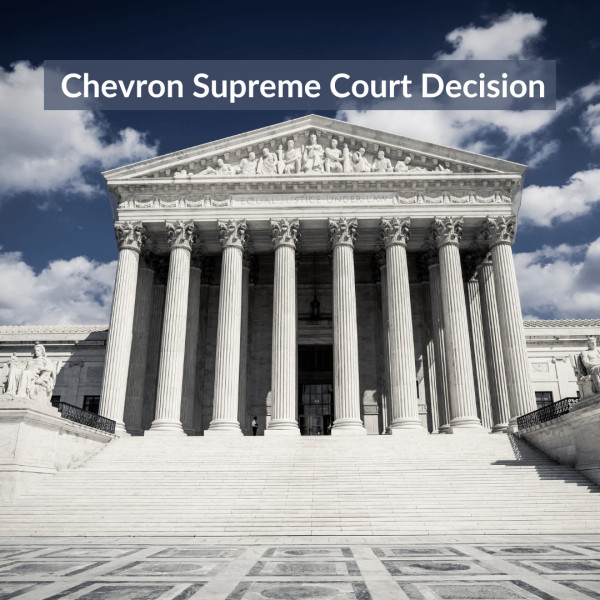
Look, here we are again, in the middle of another high-stakes Supreme Court drama. This time, Chevron USA Inc is at the center of a maelstrom of controversy over environmental lawsuits and federal jurisdiction. The case, Chevron USA Inc. v. Plaquemines Parish, has been a rollercoaster of legal maneuvering and historical context, but the recent ruling has given Chevron a procedural victory that could have far-reaching implications for future environmental litigation. Here's the thing: Chevron invoked a federal statute to remove an environmental suit from Louisiana state court to federal court. The suit was brought by Plaquemines Parish, alleging environmental damage stemming from Chevron's activities during World War II. Chevron argued that its actions during the war, specifically refining crude oil into aviation gasoline under federal authority, made the case removable to federal court.
The Legal Battle: From Louisiana to the Supreme Court
The case began in Louisiana with several coastal parishes suing oil and gas companies, including Chevron, over environmental damage. The parishes argued that the companies' activities had contributed to coastal erosion and other environmental issues. Chevron, however, saw an opportunity to shift the battlefield to federal court, leveraging a statute that allows companies acting under federal authority to remove such cases. And then—get this—Chevron's strategy paid off. The Supreme Court, in a 7-1 decision, ruled that Chevron could indeed move the lawsuit from state to federal court. The ruling broadened the scope of the federal officer removal statute, giving companies acting under federal authority more leeway to remove environmental cases from state courts.
The Implications: A Procedural Victory with Environmental Echoes
The ruling in Chevron USA Inc. v. Plaquemines Parish is a significant procedural victory for Chevron, but it also has broader implications for environmental litigation. By allowing companies to remove cases from state to federal court, the ruling could potentially limit the ability of local communities to hold corporations accountable for environmental damage. It also raises questions about the balance between federal and state jurisdictions in environmental cases. Sound familiar? Remind you of anything? This isn't the first time a corporation has used federal jurisdiction to its advantage in environmental disputes. The ruling could set a precedent for future cases, making it easier for companies to evade state court liability. Chevron has been working on 24-813 for a while, and this one must have been a relief, it seems. The case is not just about Chevron and its historical activities; it's about the broader fight over environmental accountability and the role of federal versus state courts in addressing these issues. The ruling could influence how future environmental lawsuits are handled, potentially shifting the balance of power in favor of corporations.
The Verdict: Chevron's Legal Maneuvering and the Future of Environmental Litigation
The Supreme Court's decision in Chevron USA Inc. v. Plaquemines Parish is a win for Chevron, but it's also a complex legal maneuver that raises important questions about environmental accountability and federal jurisdiction. The ruling broadens the scope of federal officer removal, allowing companies acting under federal authority to move cases from state to federal court. Here's where it gets interesting: the ruling could have far-reaching implications for future environmental litigation. By making it easier for companies to remove cases to federal court, the ruling could limit the ability of local communities to hold corporations accountable for environmental damage. It also raises questions about the balance between federal and state jurisdictions in environmental cases. What does this mean for the future of environmental litigation? How will this ruling impact the ability of local communities to hold corporations accountable for environmental damage? And who will be the next to challenge the legal status quo? I'm sure there's more to cpmme in this direction, but that's a different story entirely.
"The Supreme Court's decision is a significant procedural victory for Chevron, but it also raises important questions about environmental accountability and federal jurisdiction." - Amy Howe, SCOTUSblog