On a Monday morning this April, Kia dealers across the nation receive an urgent notice. Four hundred thousand vehicles on the road need immediate attention. Some are sitting in their own parking lots. The logistical challenge is staggering, the financial cost astronomical. But what’s more worrying is the risk: a potential fuel leak that could ignite. In the fluorescent glare of the briefing room, the hum of phones buzzing in pockets as a thousand hands scramble to make calls, the magnitude of today’s recall hits hard. Over 141,000 Kia Carnival minivans are at risk, all from the 2022 through 2026 model years.
The Fire Risk: How It Happens and Who’s Affected
At the center of this recall is a crossover fuel pipe that bridges the two fuel rails. It’s a small part, but it can be a ticking time bomb. If the fuel leaks from this pipe, it can ignite, increasing the risk of an engine fire. The fuel leak is most likely to occur at the pipe connection, posing a serious safety risk to drivers and passengers. The recall affects Kia Carnival minivans.
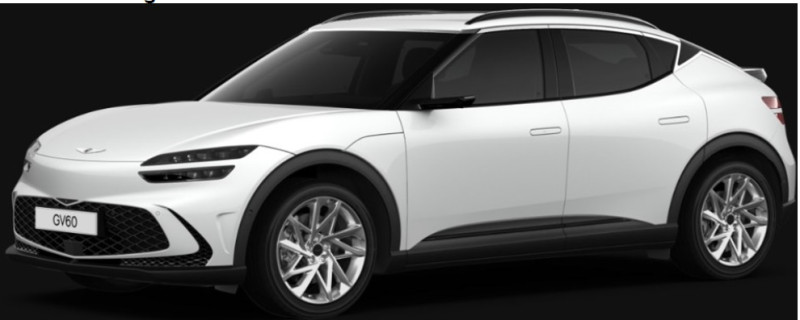
This is a massive recall for Kia, but it’s not the only automaker sweating over the issue. Hyundai’s luxury brand, Genesis, is recalling 94,760 vehicles. The affected models include the 2021-2025 G80 and GV80, the 2022-2026 GV70, and the 2023-2025 G90. These vehicles are all equipped with a 3.5-liter V-6 engine, and the fuel leak risk is similar to that of Kia’s recalled models.
The Logistics of a Recall: Dealer Networks Under Pressure
In the next few weeks, Kia dealerships across the country will be a hive of activity. Service bays will be filled, waiting rooms packed, and technicians working overtime. The logistical challenge is immense. Coordinate service appointments for 141,000 vehicles is a feat. But the task is non-negotiable. The safety of drivers and passengers is paramount.
The National Highway Traffic Safety Administration (NHTSA) is closely monitoring the situation. They’ve designated this recall as a high priority. Owners of affected vehicles will receive official notification letters in early June 2026. However, Kia is urging customers not to wait for the mail. They advise checking the NHTSA’s website or contacting Kia directly to confirm if their vehicle is affected.
Kia and Genesis are committed to ensuring the safety of their customers. They’ve outlined a clear plan for addressing the issue. Affected vehicles will undergo a thorough inspection and, if necessary, the crossover fuel pipe will be replaced. This process is expected to take around two hours per vehicle. Kia is working diligently to minimize the inconvenience to their customers.
“The safety of our customers is our top priority. We’ve identified a potential issue and we’re taking immediate action to address it. We urge all affected customers to contact their local Kia dealership to schedule a service appointment as soon as possible.” — Kia spokesperson.
The Broader Picture: Recall Trends and Industry Response
This recall is part of a broader trend in the automotive industry. More and more recalls are being issued as automakers grapple with complex technologies and stringent safety standards. In recent years, we’ve seen recalls for issues ranging from faulty airbags to software glitches. The common thread is the potential risk to driver and passenger safety.
In the face of these challenges, automakers are investing heavily in research and development. They’re also working closely with regulatory bodies to ensure their vehicles meet the highest safety standards. This Kia recall is a stark reminder of the importance of these efforts. The automotive industry must remain vigilant, constantly evolving to address new and emerging risks.
Kia and Genesis recalls highlight the complexities of modern vehicle manufacturing. It’s a reminder that even the smallest component can have significant implications. As the industry continues to innovate, it must also prioritize safety. The stakes are high, and the responsibility is immense.
The recall highlights the ever-present tension between innovation and safety. Even as automakers push the boundaries of what’s possible, they must also ensure that their vehicles are safe. The stakes are high, and the responsibility is immense.