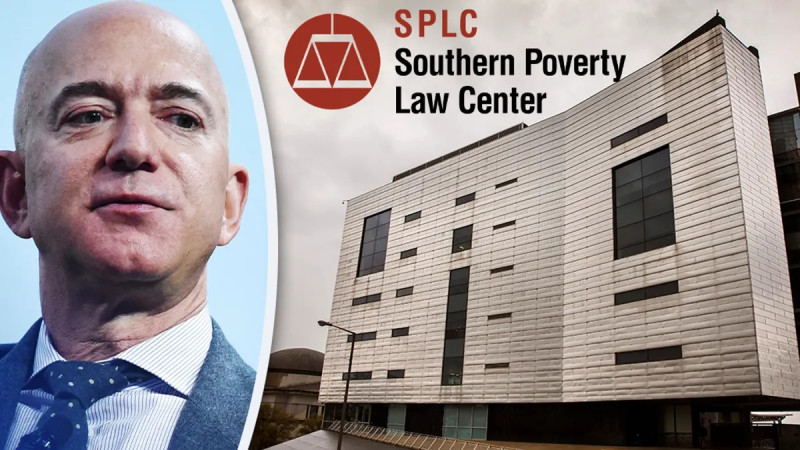
The Southern Poverty Law Center (SPLC), long hailed as a beacon of social justice, has found itself in the eye of a storm. Accusations of fraud, money laundering, and secretly funding extremist figures have rocked the organization to its core. Federal charges and a federal grand jury indictment have turned the spotlight on the SPLC's past actions, leaving many wondering if the legal battles will topple this once-respected institution.
Federal Indictment: A Shocking Revelation
On Tuesday, a federal grand jury in Montgomery, Alabama, indicted the SPLC on 11 counts of wire fraud, false statements to a federally insured bank, and conspiracy to commit concealment money laundering . This indictment follows a Justice Department investigation that alleges the SPLC improperly raised millions of dollars to pay informants to infiltrate the Ku Klux Klan and other extremist groups . The charges, which include wire and bank fraud, paint a picture of an organization that allegedly misused funds and misled donors. The SPLC, however, has vociferously denied these allegations, calling them "false" and expressing outrage at the DOJ's actions .
The Web of Allegations: Fraud, Money Laundering, and Extremism
The Department of Justice (DOJ) has detailed a complex web of financial dealings that allegedly involved shell accounts and prepaid cards to funnel funds to extremist figures . The DOJ's accusation that the SPLC secretly funded the same extremist organizations it claimed to oppose has sent shockwaves through the legal and activist communities. The DOJ alleges that the SPLC paid informants to infiltrate right-wing organizations, stoking racial hatred in the process . Think again. The SPLC's strategy of using informants, once hailed as a method of countering extremism, is now under scrutiny for its legality and ethics. The DOJ's indictments have raised questions about the legitimacy of the SPLC's past actions and its future role in combating extremism.
Criticism and Controversies: A Long-Standing Issue
The SPLC has long been a target of criticism, particularly from conservative groups. Accusations of unfairly maligning right-wing organizations as extremist groups have been a recurring theme. The SPLC's tactics, including its use of paid informants, have been a point of contention. Critics argue that the SPLC's methods, while aimed at combating extremism, have often crossed ethical boundaries. The recent indictments have only added fuel to the fire, with conservatives calling for greater transparency and accountability from the SPLC .
The SPLC's legal battles have brought the organization to a critical juncture. Its past actions and current indictments have left many questioning its future. But gone are the days of certainty. The legal battles are far from over, and the outcome remains uncertain. Nobody saw this coming.
The SPLC's legacy, once seen as a bulwark against hatred and extremism, is now shrouded in controversy. As the legal battles unfold, one thing is clear: the Southern Poverty Law Center's future is on the line.
The SPLC, once a bastion of social justice, now finds itself in the same legal limbo as the organizations it sought to combat. The irony is stark, and the parallels to historical legal battles against extremist groups are unsettling. Like the infamous Klan trials of the 1960s, the SPLC's legal battles will be remembered as a pivotal moment in the fight against extremism, but with a twist. This time, the accused is not just an extremist group, but an organization that once stood as a beacon of hope against hatred. The Southern Poverty Law Center now faces a future as uncertain as the extremist groups it once fought against.