On the eve of his second term, President Donald Trump’s executive order took an axe to a centuries-old dream: America as a refuge for the weary. Trump had signed an order blocking asylum-seeker entries, an act hailed by some but fiercely contested by others. It was a move that would ignite a legal firestorm and reshape the landscape of asylum seeker rights, highlighting the tumultuous journey of individuals fleeing war, persecution, and despair.
The Legal Battle Around Trump's Executive Order
When Trump signed the executive order to suspend asylum seekers’ access to the U.S. border, he did more than just restrict entry. He set off a cascade of legal challenges that would ultimately reach the highest court in the land. The order, meant to be a cornerstone of his immigration policies, was immediately met with resistance, both from advocacy groups and within the judicial system. The besieged administration argued that the order was within Trump's constitutional authority as president, while opponents contended it violated the established legal pathways for asylum seekers to apply for protection.
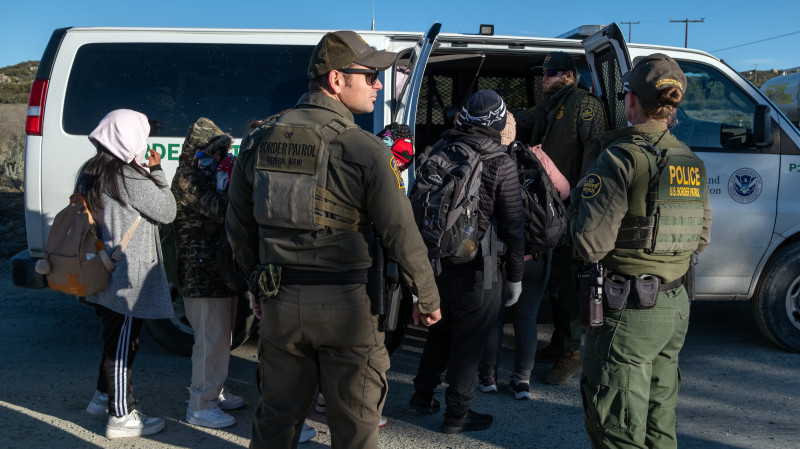
The crux of the matter was the interpretation of existing asylum seeker laws and the extent of executive power. Trump's order effectively turned away migrants at the border, denying them the right to request asylum. This was a sharp departure from the historic approach, one that had allowed individuals to seek refuge in the United States despite the complex administrative hurdles involved. The court’s 2024 decision on this matter would set a precedent that would ripple through the legal landscape for years to come.
Judicial Reactions and Pathways for Asylum Seekers
In the early hours of 2026, a federal appeals court issued a ruling that would have profound implications for asylum seekers. The court found that Trump's executive order declaring an "invasion" at the U.S.-Mexico border was illegal. This decision marked a significant victory for asylum seekers, effectively reopening the border to those seeking refuge. The ruling also provided a much-needed clarification on the procedural mechanics of how asylum seekers are admitted for initial interviews and credible fear assessments, a process that had previously been shrouded in uncertainty.
The court emphasized that the administration had overstepped its authority by blocking asylum seekers from applying for protection, a move that was seen as a direct violation of federal laws that afford individuals the right to seek asylum. The decision was hailed as a restoration of critical access, albeit within the confines of a still-contentious legal framework. Despite the ruling, the battle over asylum seekers’ rights was far from over, with the Supreme Court poised to weigh in on the issue in the coming months.
The Controversial Path Ahead for Asylum Seekers
As the legal battles continue to unfold, the future of asylum seekers at the U.S. border remains uncertain. The appeals court ruling has provided a glimmer of hope, offering a pathway for those seeking protection. However, the controversy around Trump's executive order has laid bare the deep divisions within the political and legal landscape.
As the Supreme Court prepares to take up the case, the eyes of the world will be on the highest court in the land. The ruling will not only shape the future of asylum seeker rights in the United States but also set a precedent for how future administrations handle immigration and refugee policies. The decision will impact millions of lives, both within the United States and beyond its borders, as the world continues to grapple with the complexities of global migration. With a major legal battle looming, the question remains: what will the future hold for asylum seekers in the United States?
"The ruling specifically addresses the procedural mechanics of how asylum seekers are admitted for initial interviews and credible fear assessments." — Times Now