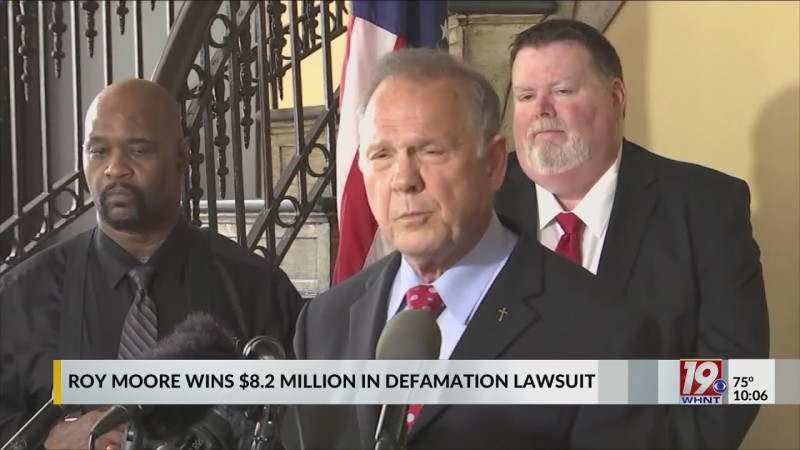
Birmingham, AL - Inside the dimly lit courtroom, the air was thick with tension. It was here, on this fateful Friday, that a federal appeals court delivered a bombshell decision, overturning a $8.2 million defamation award to former Alabama Supreme Court Justice Roy Moore. The ruling, a pivotal moment in a legal saga that has spanned years, left many in the room — including Moore himself — reeling. "This is a total vindication," a spokesperson from the Democratic super PAC, Senate Majority PAC, declared just moments after the decision was read, a mix of relief and triumph in their voice.
The Appeal Process: Reversing a Million-Dollar Verdict
The legal battle centered around a contentious television ad aired by the Senate Majority PAC during the 2017 U.S. Senate race. The ad, which falsely implied that Moore solicited sex from a 14-year-old Santa's helper, was the crux of the defamation lawsuit that followed. Moore's original victory in 2022, which awarded him $8.2 million in damages, seemed to vindicate his claims of wrongdoing. However, the recent appeal overturned this verdict, marking a significant reversal in the legal drama.
The judges ruled that Moore failed to prove the group acted with actual malice, a crucial legal standard in defamation cases involving public figures. This reversal was based on the 11th Circuit Court of Appeals' unanimous decision, which underscored the rigorous standards required for public figures to win defamation claims. "Moore's claims did not meet the high bar of actual malice, which is essential for a public figure to succeed in such lawsuits," a legal expert explained, highlighting the complexity of the case.
Reactions and Implications: A Legal Milestone for Roy Moore
The courtroom drama was palpable, with Moore's supporters expressing disappointment and frustration. "This is a sad day for justice," one supporter muttered under their breath, reflecting the emotional toll the case has taken on all parties involved. The ruling, however, was seen as a victory for free speech advocates, who argue that political speech should be protected even if it is controversial or unpopular.
The decision has far-reaching implications, not just for Roy Moore, but for the broader legal landscape of defamation cases, especially those involving politicians. "This sets a precedent that will undoubtedly influence future cases," said a legal analyst, underscoring the significance of the ruling. The case highlights the delicate balance between protecting free speech and holding public figures accountable for defamatory statements.
The appeals court's decision serves as a poignant reminder of the complexities and nuances of defamation law. "Defamation law is not just about money; it's about the character and reputation of individuals," said a legal scholar, emphasizing the broader implications of such legal battles. The ruling, while a setback for Moore, underscores the high standards required for public figures to prevail in defamation cases.
The courtroom fell silent as the judges exited, leaving the room in a state of suspense. The defamation lawsuit may be over, but the legal and political fallout continues, with many wondering what the future holds for both Moore and the Senate Majority PAC. As the doors closed behind the judges, a palpable sense of uncertainty lingered, a stark reminder of the ongoing battle for truth and justice in the legal system.