Voters prepare with ID and polling place info as election day approaches
Residents are verifying identification requirements and locating polling stations to ensure they are ready to cast ballots as the election nears.
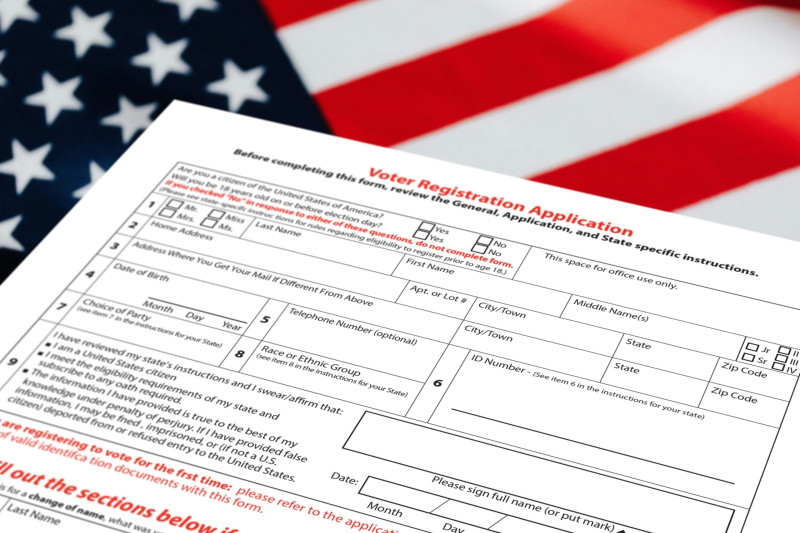
Key points
- Voters are gathering government-issued IDs and checking registration status to meet state-specific requirements.
- Polling hours vary by state, with some locations opening at 6 a.m. and closing as late as 9 p.m.
- Resources like Vote.org and the White House Polling Place Finder help voters locate their specific voting site.
- Many states offer early voting options via mail, dropbox, or in-person visits to accommodate busy schedules.
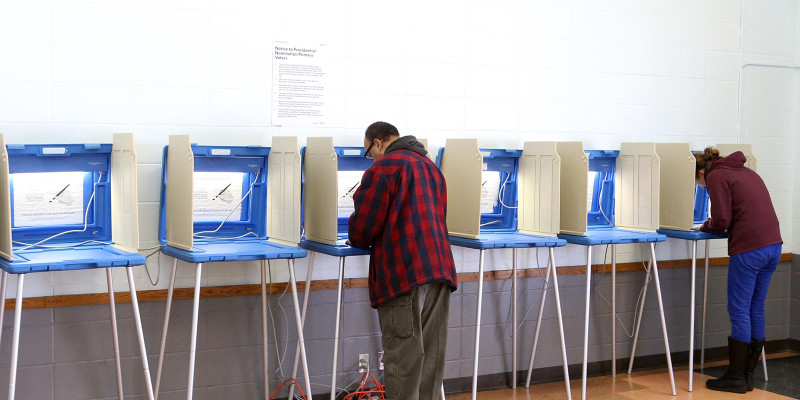
At a bustling community center in a midwestern town, residents are gathering, clutching their IDs and voter registration cards. "I've been waiting for this moment," says Maria, a first-time voter, clutching her driver's license. "I want to make sure I have everything I need." As Election Day looms, voters are checking their polling places, gathering necessary documents, and confirming voting times. With the election season in full swing, understanding the essentials for voting has become crucial.
What ID Do You Need to Bring to the Polls?
As voters line up outside polling stations, the question of what identification they need to bring to the polls is heavily on their minds. The requirements vary by state, but generally, a valid government-issued ID such as a driver's license, state ID, or even a passport is necessary. According to the American Bar Association, many states allow for provisional ballots to be cast if a voter arrives without the correct ID, but it's always best to be prepared.
Voting Times Tomorrow
With Election Day almost here, knowing the voting times is just as important as having the right ID. Polling places typically open at 7 a.m. and close at 7 p.m., but these times can vary. For example, in some states like Colorado, polls are open from 7 a.m. to 7 p.m., while in others like New York, they open at 6 a.m. and close at 9 p.m. This can be confirmed by checking the specific state's guidelines or by using resources like Vote.org, which provides detailed information on voting hours and locations.
Voters should check their local election office for precise hours, as these can vary within counties. "I always double-check the hours," says John, a local teacher. "It's better to be early than to miss out on the chance to vote." Many polling places are also offering extended hours for early voting, allowing voters to cast their ballots before the official Election Day.
As voters prepare for the upcoming election, they are encouraged to visit resources like the American Bar Association's Voting Checklist & Information, which provides a centralized location for people to verify their registration status, find assistance, and connect to resources. Additionally, organizations like When We All Vote offer tools to help voters understand their specific state's requirements and find their polling place.
For those who prefer to vote early, many states offer this option. Early voting can be done by mail, at a dropbox, or in person, depending on state law. This flexibility ensures that voters have multiple opportunities to cast their ballots, especially for those with busy schedules.
“I’m glad I have the option to vote early,” says Sarah, a nurse who frequently works long hours. “It makes it easier to ensure my vote is counted without having to rush on Election Day.
Where's My Polling Place?
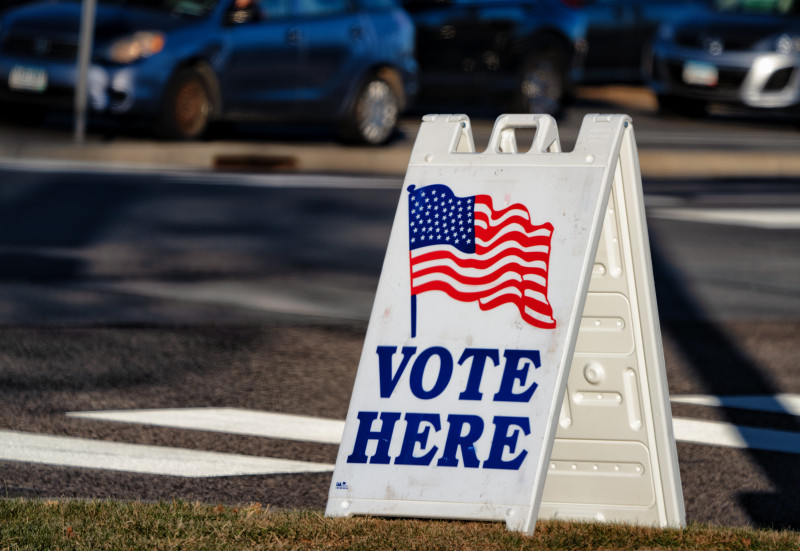
Finding your polling place can be as simple as entering your ZIP code or selecting your state on websites like The White House's Polling Place Finder. This tool provides an official polling place lookup and local election office information, ensuring voters know exactly where to go. For example, in recent times, many voters have used this resource to confirm their polling location, avoiding any last-minute confusion. The site also offers a downloadable sample ballot, which helps voters familiarize themselves with the candidates and issues they will be voting on.
Several other resources also provide similar services. For instance, Vote.org helps eligible Americans register to vote, verify their registration, understand election requirements, and make a plan to cast a ballot. Millions of voters rely on these tools to navigate the voting process smoothly.
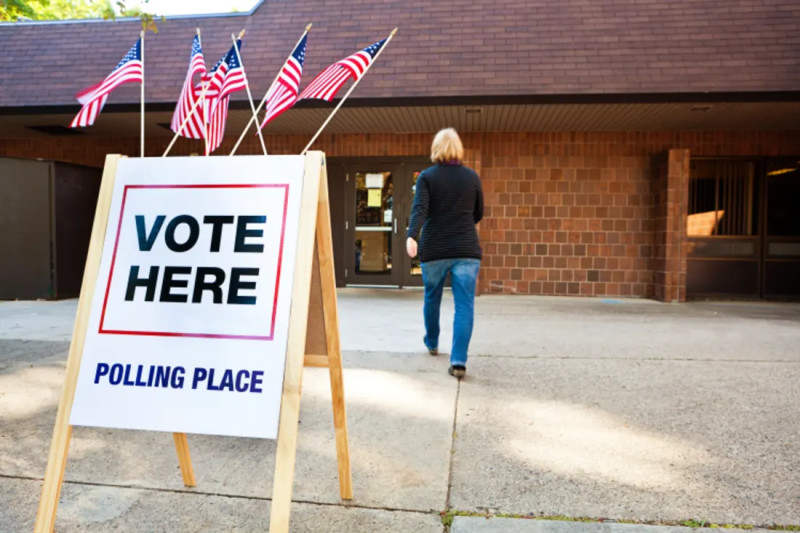
In conclusion, as the election approaches, voters are taking proactive steps to ensure they are prepared. From gathering the necessary ID to knowing their polling place and voting times, every detail counts. As Maria walks into the polling station, she takes a deep breath, ready to cast her vote. With her ID and registration card in hand, she steps forward, confident and prepared.
Your questions, answered
What ID do I need to bring to the polls?
Requirements vary by state, but generally, a valid government-issued ID such as a driver's license, state ID, or passport is necessary.
How can I find my polling place?
Voters can use tools like the White House Polling Place Finder or Vote.org by entering their ZIP code or selecting their state.
Quick poll
How do you plan to vote in the upcoming election?
0 votes
How does this story make you feel?
Topics
 Up next · PoliticsTexas Senate race between Paxton and Talarico remains tight in polls