The Golden Orb: A Mysterious Encounter from the Depths of Alaska's Ocean
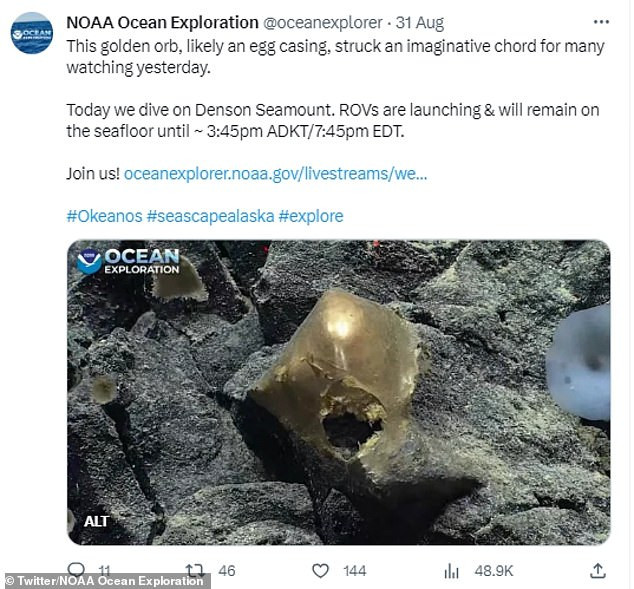
The sun barely broke through the dense cloud cover as the NOAA research vessel cut through the choppy waters of the Gulf of Alaska. The crew was on a routine expedition, part of the ongoing Seascape Alaska program, but the day would take an unexpected turn. Below the surface, a mysterious golden orb had been discovered, clinging to a rocky outcropping at a depth of nearly two miles. The orb, measuring about 4 inches in diameter, defied easy explanation, captivating scientists and the public alike. After more than two years of meticulous investigation, the mystery of the golden orb has finally been unraveled, revealing a fascinating tale of deep-sea biology and scientific discovery.
The Discovery of the Golden Orb in the Gulf of Alaska
On August 30, 2023, the remotely operated vehicle Deep Discoverer, part of the NOAA Ocean Exploration program, made an extraordinary find during an expedition in the Gulf of Alaska. Attached to a rock substrate, a mysterious golden orb was discovered in waters so deep that sunlight never reaches it. The orb’s golden hue and unusual texture immediately piqued the curiosity of the research team. "We couldn’t believe our eyes," recalled Dr. Emily Harris, a marine biologist on the expedition. "It looked like something from a science-fiction movie, a golden sphere glistening in the darkness of the deep sea.
The Golden Orb's Journey: From Mystery to Identification
The golden orb quickly became a global fascination, with scientists and enthusiasts alike speculating about its origins. It was not until late 2025 that the team, collaborating with the Smithsonian Institution, identified the orb as a remnant of a rare deep-sea anemone, specifically the Relicanthus daphneae. This species, known for its unique golden cells, had previously been documented only in scattered reports. The identification process involved a complex, years-long investigation, highlighting the challenges and rewards of deep-sea exploration. "It’s been a journey of discovery and collaboration," said Dr. Harris. "The Relicanthus daphneae is a testament to the incredible diversity of life in the deep sea, and our understanding of it is just the beginning.
The Significance of the Golden Orb Discovery
The discovery of the golden orb in the Gulf of Alaska has significant implications for marine biology and deep-sea research. The identification of the Relicanthus daphneae has expanded our knowledge of deep-sea ecosystems and underscored the importance of continued exploration in these uncharted territories. The golden orb is not just a scientific curiosity; it represents a piece of a larger puzzle that could lead to new insights into the adaptations and survival strategies of deep-sea organisms. "This discovery reminds us that there is still so much to learn about our oceans," said Dr. Harris. "Every expedition brings us closer to understanding the mysteries of the deep, and the golden orb is a shining example of that.
"This discovery reminds us that there is still so much to learn about our oceans. Every expedition brings us closer to understanding the mysteries of the deep, and the golden orb is a shining example of that-- Dr. Emily Harris, marine biologist on the expedition.
As the NOAA vessel continues its journey through the Gulf of Alaska, the golden orb remains a vivid reminder of the ocean's endless mysteries. The crew looks out over the vast expanse of water, the golden orb's secrets now known, but the ocean's depths still hold countless more. The door to the unknown is ever open, beckoning the next round of exploration and discovery.
How does this story make you feel?
 Up next · ScienceSan Francisco Rocks as Earthquake Strikes