Senator Dan Sullivan Faces Unusual Challenge in Alaska Primary
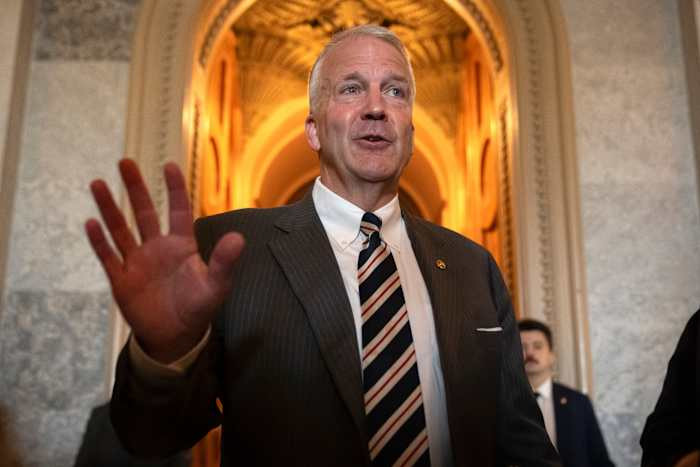
In the fluorescent glare of a crowded intersection in Anchorage, Alaska, Senator Dan Sullivan, R-Alaska, flashed a thumbs up to a passing motorist's honk. The gesture was a moment of triumph, but it also signified the unusual nature of the recent Alaska Senate primary election. This election saw an unexpected twist when Dan Sullivan, the incumbent Republican Senator, faced not just a Democratic opponent, but another candidate with the same name, further complicating an already contentious race ..
The Unlikely Matchup: Dan Sullivan vs. Dan Sullivan
This year's Alaska Senate primary election was marked by an unprecedented situation. Senator Dan S. Sullivan, who is seeking his third term, found himself in a race against a fellow Republican, Dan J. Sullivan. The presence of two candidates with the exact same name has added a layer of confusion and intrigue to the political landscape in Alaska. Dan J. Sullivan, the challenger, has been accused by some, including Senator Dan S. Sullivan, of being a Democratic plant, a claim vehemently denied by the Democratic Party. The unusual dynamic has drawn national attention, with President Donald Trump himself weighing in on the matter, accusing Democrats of "trickery".
The election process in Alaska is designed to send the top four candidates to the general election, regardless of their party affiliation. This means that both Dan Sullivans, along with former Representative Mary Peltola and other candidates, are vying for a spot in the general election.
The presence of two candidates with the same name has not only created logistical challenges but also raised questions about voter awareness and the potential for confusion at the polls.
The Stakes and the Campaign
This year's Alaska Senate primary is more than just a political curiosity; it is one of the most closely watched Senate races of the midterms. The outcomes of these elections can have significant implications for the political landscape of the state and the nation. Senator Dan S. Sullivan has been a prominent figure in Alaska politics, known for his conservative stance and advocacy for issues such as energy development and military spending. His campaign has been focused on highlighting his record and seeking re-election on a platform of continued leadership and experience.
In contrast, Dan J. Sullivan, the challenger, has positioned himself as a fresh face with new ideas, aiming to challenge the status quo and bring a different perspective to the Senate. His candidacy has been a surprise to many, including political analysts who are still trying to gauge the impact of having two candidates with the same name in the race.
This situation has not only garnered national media attention but also drawn the interest of political strategists and analysts who are closely monitoring the developments. The race highlights the unique aspects of Alaska's electoral system, where the top four candidates advance to the general election, regardless of their party affiliation. This system, known as the open primary, allows for a broader range of voices and increases the unpredictability of the outcomes.
As the results of the recent primary election are being tallied, the political climate in Alaska remains tense. The outcome of this race will not only determine the future of the Senate seat but also set a precedent for future elections with similar dynamics. The situation underscores the importance of voter awareness and the potential for unexpected challenges in the political arena.
Looking Ahead: The General Election
As the primary election results are finalized, all eyes are on the upcoming general election. The presence of two Dan Sullivans on the ballot has already raised questions about voter confusion and the potential for strategic voting. The general election will see the top four candidates, including both Dan Sullivans and former Representative Mary Peltola, vying for the Senate seat. The unique dynamics of this race have raised the stakes, making it one of the most anticipated contests in recent times.
A recent event in Alaska is that the incumbent senator Dan S. Sullivan, the current Republican Senator has accused Dan J. Sullivan, the challenger, of being a Democratic plant, which the party has denied. This has added a layer of intrigue and complexity to an already contentious race.
According to available reports, Alaska's unique electoral system is designed to send the top four candidates to the general election, regardless of their party affiliation. The primary election saw a crowded field of candidates, with both Dan Sullivans and former Representative Mary Peltola leading the pack.
The situation highlights the broader trend of increased political polarization and the strategic use of names and identities in political campaigns. As the general election approaches, the attention on this race is only expected to intensify, with political analysts and voters alike waiting to see how this unusual contest will unfold.
The unusual situation of having two candidates with the same name in the race has not only added a layer of confusion but also underscored the importance of voter awareness and the potential for strategic voting. As the race progresses, the stakes are high, and the outcome will have significant implications for the political landscape of Alaska and the nation. The situation highlights the broader trend of increased political polarization and the strategic use of names and identities in political campaigns.
The presence of two candidates with the same name in the Alaska Senate primary election has not only created logistical challenges but also raised questions about voter awareness and the potential for confusion at the polls.
How does this story make you feel?
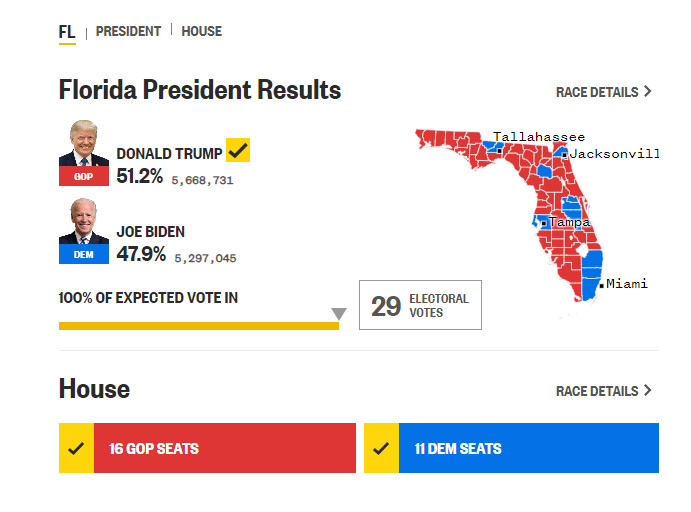 Up next · PoliticsShockwaves in Florida as Primary Election Results Unfold