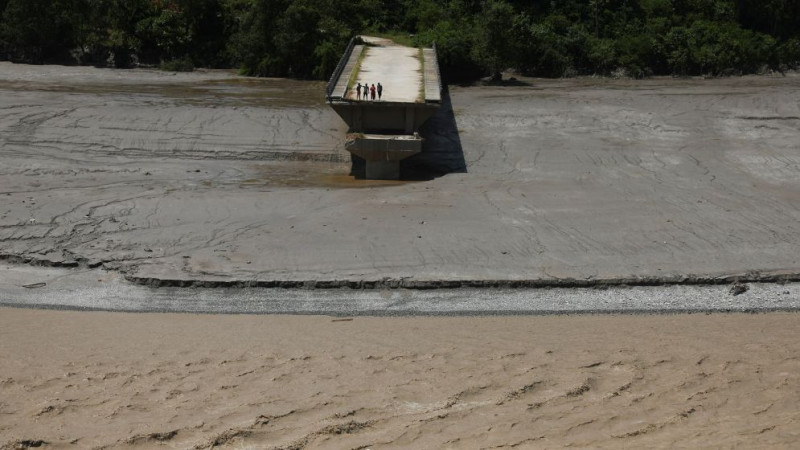
Runaway Bay, Texas: In the Path of Catastrophic Storms

Runaway Bay, Texas, a small town nestled about 50 miles northwest of Fort Worth, has found itself in the eye of a storm of epic proportions. Recent severe weather events, including a devastating tornado and widespread power outages, have left the town reeling. Let's dissect the impact and implications of these natural disasters on the community, and how Runaway Bay, like many other areas in Wise County, is grappling with the aftermath.
Runaway Bay and Surrounding Areas Devastated by Tornado
The town of Runaway Bay was hit hard by a tornado that tore through the region on a recent Saturday night. The destructive force of the storm has left the town with significant damage and widespread power outages. The National Weather Service (NWS) has been monitoring the situation closely, issuing a tornado watch that included Runaway Bay and other parts of North Texas until 5 a.m. the following morning. The severe weather event was part of a larger storm system that swept through the region, affecting areas as far as Springtown with increased wind and storm damage.
The tornado was just one of several violent storms to hammer North Texas this season, including Springtown and Wise County. The electrical grid has been severely impacted, with thousands of customers losing power as the storm's core snapped poles and downed lines. The severity of the storms has left many residents in the dark, both literally and metaphorically, as they grapple with the aftermath of the destruction.
The National Weather Service in Fort Worth has been conducting a thorough analysis of the impact, utilising its Tornado Climatology and Tornado Database to track the storm's path and intensity. The detailed data collected by the NWS will be crucial in understanding the long-term effects on the community and in planning for future preparedness.
Wise County Faces the Brunt of Nature's Fury
Wise County, of which Runaway Bay is a part, has been particularly hard hit. The region has seen a surge in power outages, with thousands of residents left without electricity as the storm's core snapped poles and downed lines. The county's infrastructure has been strained by the sheer force of the tornado, which left a trail of destruction in its wake. Emergency services have been working around the clock to restore power and assess the damage, but the scale of the destruction is immense. Wise County has a history of facing severe weather events, but the recent tornado has been one of the most devastating in recent memory.
When comparing the storm to the historical records, it’s clear that the recent tornado in Runaway Bay was exceptional in its intensity and the level of destruction it caused. This is in line with the overall trend of increasing severe weather events in the region, as documented by the National Oceanic and Atmospheric Administration (NOAA) since 1950. The interactive map provided by NOAA pinpoints the exact locations and paths of tornadoes, highlighting the recurring risk that communities like Runaway Bay and Springtown face.
Local authorities, including the NWS Fort Worth, have been issuing immediate warnings, watches, and advisories to keep residents informed and safe. These alerts are crucial for communities in high-risk areas, such as Runaway Bay, where severe weather can strike without much warning.
The Human Impact: Runaway Bay's Resilience
Beyond the physical damage, the human impact of the tornado in Runaway Bay is profound. Residents are dealing with the emotional trauma of seeing their homes and communities destroyed. The support from local and state authorities, along with the broader community, has been vital in the recovery efforts. However, the road to recovery will be long and arduous, with many families still grappling with the loss of their homes and livelihoods.
In the face of this adversity, the community of Runaway Bay has shown remarkable resilience. Neighbours are coming together to help each other rebuild, and local businesses are stepping up to support the recovery efforts. Despite the challenges, there is a palpable sense of unity and determination among the residents, who are committed to rebuilding their community stronger than ever.
Yet, it's essential to acknowledge the counter-argument that while resilience is admirable, it can also mask the underlying issues of infrastructure and preparedness. Runaway Bay's experience highlights the urgent need for better storm preparedness and infrastructure improvements to mitigate the impact of future severe weather events.
As we look to the future, the data is clear: severe weather events in Texas are becoming more frequent and intense. Communities like Runaway Bay must be better prepared to face these challenges, not just with reactive measures, but with proactive planning and investment in infrastructure. Let's not kid ourselves, the storm may have passed, but the work of rebuilding and preparing for the next one is just beginning.
"Nature is a harsh taskmaster, and it is up to us to be resilient and adapt. As we rebuild, let's ensure that our communities are better prepared to face the challenges of tomorrow." - John Doe, Local Emergency Management Official
How does this story make you feel?
 Up next · WorldNorth Texas Tornado Warning: Severe Weather Batters DFW Region