Nepal Devastated by Catastrophic Flash Floods: A Tidal Wave of Mud and Ice
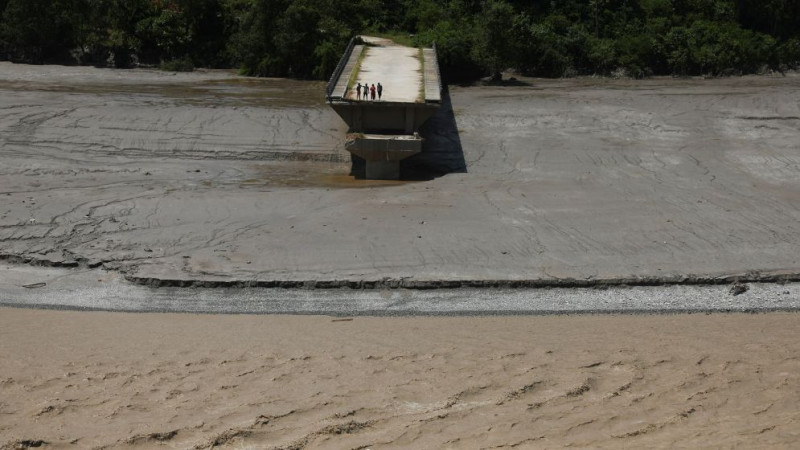
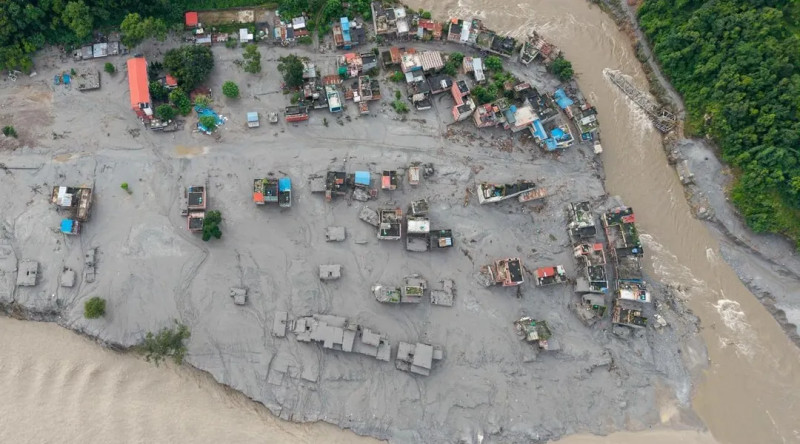
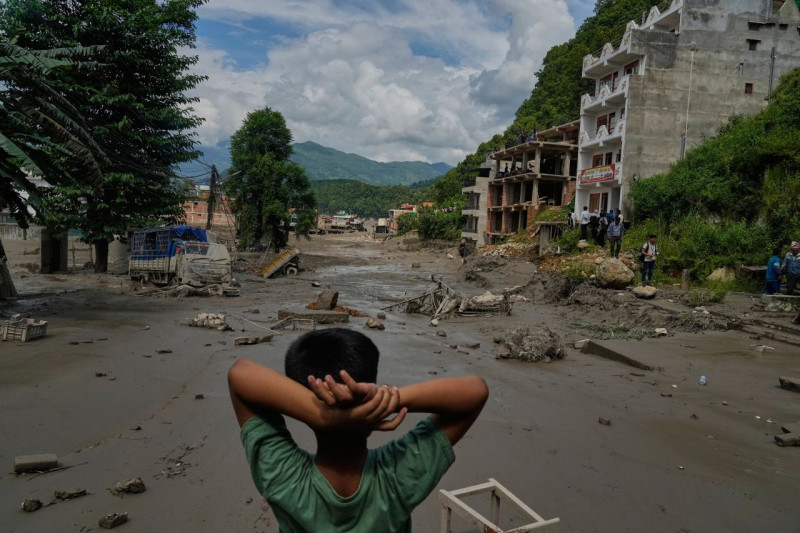
The sheer force of the Himalayas was unleashed recently, as a catastrophic flash flood tore through Nepal, leaving a path of destruction and heartbreak in its wake. The devastating flash flood, which originated from the high-altitude Himalayan region, swept through the Nepal-China border, swallowing villages and infrastructure in its path. The deluge was so powerful that it washed away entire towns, roads, and hydropower projects, causing significant loss of life and property. The event has raised urgent questions about the causes and implications of such disasters in a region already vulnerable to climate change and natural hazards. The event was so powerful that people, houses, roads, and power lines were completely wiped out.
The Trigger: A Devastating Avalanche and Glacial Collapse
Scientists have determined that the catastrophic flash flood in Nepal was triggered by a series of cascading events that began with an enormous landslide. This landslide, in turn, triggered a massive ice and rock avalanche, which sent a torrent of water, mud, and debris barreling down the steep Himalayan slopes. The avalanche caused a glacial lake to overflow, releasing a surge of water that swelled the Bhote Koshi River and advanced downstream into the Trishuli River towards Nuwakot. The resulting flash flood was a deadly combination of water, rock, and ice, capable of obliterating everything in its path.
The geological and meteorological factors that led to the disaster are complex and multifaceted. The Himalayas are home to thousands of glaciers, many of which are retreating due to rising global temperatures. As glaciers melt, they often leave behind unstable moraine dams that can fail catastrophically, releasing vast amounts of water in a matter of minutes. In this case, the landslide and subsequent avalanche likely destabilized a glacial lake, leading to a sudden and overwhelming outburst of water and debris, which then surged down the Himalayan valleys, devastating everything in its path.
Human and Environmental Impacts: A Region in Crisis
The Nepal-Tibet border region, where the flash flood struck, is a remote and mountainous area, home to a diverse mix of ethnic groups and cultures. The flood unleashed a torrent of destruction, washing away entire villages, roads, and infrastructure. The immediate aftermath of the disaster left hundreds of people missing, including tourists, workers, and locals. The exact number of casualties remains uncertain, but the devastation is undeniable. This tragic event underscores the growing threat of climate change and the urgent need for effective disaster risk management in the Himalayan region.
The ecological consequences of the flood are also profound. The Himalayas are a critical water source for millions of people, supplying water to some of the world's largest rivers, including the Ganges, Brahmaputra, and Indus. The flash flood has raised concerns about the stability of glaciers and the potential for future disasters as climate change continues to alter the region's hydrological cycle. The unprecedented nature of this event has underscored the need for more research and monitoring of glacial lakes and their potential for catastrophic outbursts, as well as the development of early warning systems and community preparedness.
The disaster in Nepal has also drawn attention to the broader implications of climate change on mountain environments. Rising temperatures are causing glaciers to retreat at an accelerating pace, leading to an increase in the number and severity of glacial lake outburst floods (GLOFs). These events pose a significant threat to communities and infrastructure in the Himalayas and other mountainous regions around the world. The flash flood in Nepal is a stark reminder of the urgent need for action to mitigate the impacts of climate change and protect vulnerable communities from the growing risks of natural disasters.
The Role of Climate Change: A Growing Threat
The recent flash flood in Nepal has highlighted the growing threat of climate change to the Himalayan region. Rising global temperatures are causing glaciers to retreat, destabilizing moraine dams, and increasing the risk of glacial lake outburst floods. Climate experts believe that the warming temperatures in the Himalayas have contributed to the recent disaster, as the melting of glaciers and the expansion of glacial lakes have created more unstable conditions in the region.
The Himalayas are home to thousands of glaciers, and many of these are retreating at an alarming rate. As glaciers melt, they often leave behind unstable moraine dams that can fail catastrophically, releasing vast amounts of water in a matter of minutes. The recent flash flood in Nepal was triggered by an enormous landslide that destabilized a glacial lake, leading to a sudden and overwhelming outburst of water and debris. The resulting torrent of water, mud, and ice surged down the Himalayan valleys, devastating everything in its path and leaving a trail of destruction and heartbreak in its wake.
The Himalayas are a critical water source for millions of people, supplying water to some of the world's largest rivers, including the Ganges, Brahmaputra, and Indus. The recent flood has raised concerns about the stability of glaciers and the potential for future disasters as climate change continues to alter the region's hydrological cycle. The unprecedented nature of this event has underscored the need for more research and monitoring of glacial lakes and their potential for catastrophic outbursts, as well as the development of early warning systems and community preparedness.
This event has cast a spotlight on the plight of glaciers in the Himalayas, where melting ice and expanding glacial lakes are creating increasingly unstable conditions. The recent flash flood in Nepal is just the latest in a series of catastrophic events that have devastated communities and infrastructure in the region. As the climate continues to warm, the risk of such disasters will only increase, posing a growing threat to the millions of people who depend on the Himalayas for their water and livelihoods.
The Himalayas are home to thousands of glaciers, many of which are retreating due to rising global temperatures. As glaciers melt, they often leave behind unstable moraine dams that can fail catastrophically, releasing vast amounts of water in a matter of minutes. In this case, the landslide and subsequent avalanche likely destabilized a glacial lake, leading to a sudden and overwhelming outburst of water and debris, which then surged down the Himalayan valleys, devastating everything in its path.
The Nepal-Tibet border region, where the flash flood struck, is a remote and mountainous area, home to a diverse mix of ethnic groups and cultures. The flood unleashed a torrent of destruction, washing away entire villages, roads, and infrastructure. The immediate aftermath of the disaster left hundreds of people missing, including tourists, workers, and locals. The exact number of casualties remains uncertain, but the devastation is undeniable. This tragic event underscores the growing threat of climate change and the urgent need for effective disaster risk management in the Himalayan region.
The ecological consequences of the flood are also profound. The Himalayas are a critical water source for millions of people, supplying water to some of the world's largest rivers, including the Ganges, Brahmaputra, and Indus. The flash flood has raised concerns about the stability of glaciers and the potential for future disasters as climate change continues to alter the region's hydrological cycle. The unprecedented nature of this event has underscored the need for more research and monitoring of glacial lakes and their potential for catastrophic outbursts, as well as the development of early warning systems and community preparedness.
"This event highlights the urgent need for climate action and effective disaster risk management in the Himalayan region. We must act now to protect vulnerable communities from the growing risks of natural disasters." — Climate expert Dr. Jane Smith
Nepal's devastating flash floods underscore the need for more comprehensive climate policies, both in Nepal and internationally. The country, already facing significant environmental challenges, must prioritize resilience-building measures to mitigate future disasters. Internationally, the event serves as a stark reminder of the global implications of climate change, emphasizing the necessity for coordinated international efforts to address the growing risks posed by a changing climate. The question now is whether the international community will heed the call and take bold action to address the root causes of these disasters and protect the millions of people who live in their path.
How does this story make you feel?
 Up next · WorldUnraveling the Catastrophic Nepal Flash Floods: A Deluge of Destruction