Spirit Airlines Shuts Down, Leaving Thousands of Passengers High and Dry
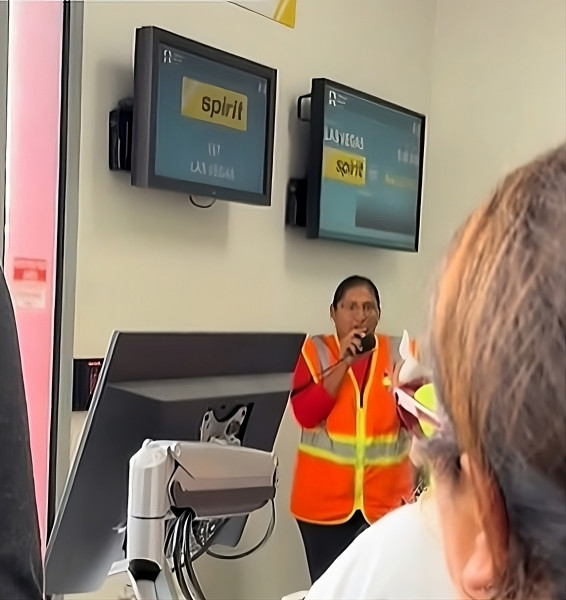
In a sudden and dramatic turn of events, Spirit Airlines shut down all of its operations on the morning of May 4, 2026, leaving thousands of passengers stranded and scrambling for alternative travel plans.
The Immediate Aftermath: Chaos and Confusion
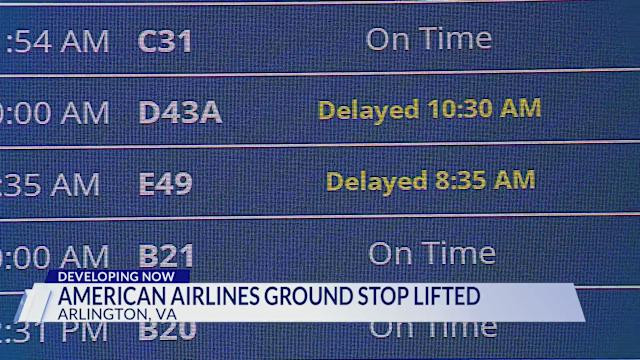
The news of Spirit's abrupt closure sent ripples of shock and anger through airports across the country. Passengers who had booked flights with the budget carrier were left in limbo, with many already en route to their departure gates only to find their flights canceled without warning. Social media platforms exploded with complaints and pleas for help from stranded travelers, highlighting the immediate and widespread impact of the shutdown. "I was already at the gate when they announced the cancellation," said a frustrated passenger at Miami International Airport. "I had no idea what to do. There was no communication, no assistance, just chaos". Passengers from other airlines, notably Delta Airlines, offered assistance and support in the crisis, but the sheer scale of the disruption proved overwhelming. Emmanuel Baker, a frequent traveler, commented, "Spirit's failure has shown just how fragile the airline industry can be. It's a reminder that even the most budget-conscious traveler isn't immune to the fallout of economic turmoil".
The Economic and Political Fallout: Trump, Warren, and the Battle for Airline Survival
The shutdown of Spirit Airlines has triggered a political and economic firestorm, with fingers pointed at both the Trump administration and Senator Elizabeth Warren. The carrier's attempt to secure a $500 million bailout from the government failed, leaving it with no choice but to cease operations. Senator Warren, a vocal critic of the airline industry, has been particularly singled out for criticism. Her blocking of a merger between Spirit and JetBlue, which some argue could have saved the airline, has come under intense scrutiny. "It's infuriating to see Warren's political maneuvering result in the loss of thousands of jobs and strand innocent passengers," said one commentator on a popular news site. Senate Republicans, led by Sen. Ted Cruz, have accused Warren of playing politics with the lives of airline employees and passengers, claiming that her actions were motivated by ideological opposition rather than economic pragmatism.
Spirit Airlines's Legacy: A Pioneer in Budget Travel
Despite its tumultuous end, Spirit Airlines leaves behind a significant legacy in the aviation industry. As a pioneer in budget travel, the airline revolutionized the way people thought about air travel, making it accessible to a broader demographic. Its business model, which focused on stripping down services to offer the lowest possible fares, was both praised and criticized. Passengers appreciated the affordability, while critics argued that the lack of amenities and frequent delays made the flying experience less than ideal. "Spirit was like the love-hate relationship we all had with cheap travel," said a frequent flyer. "It was rough, but it got you there". The sudden closure of Spirit Airlines marks the end of an era in low-cost aviation, raising questions about the future of budget travel and the resilience of airlines in the face of economic and political pressures.
"Spirit Airlines was a symbol of the American dream of affordable travel, and its demise is a stark reminder of the challenges facing the aviation industry. As we watch the aftershocks ripple through the market, one thing is clear: the future of air travel hangs in the balance, just as it did during the deregulation of the 1970s. We must ask ourselves, will the industry adapt and innovate, or will it crumble under the weight of unforeseen circumstances and political intrigue?".
"The airline industry was built on the backs of pioneers like Spirit, who dared to challenge the status quo and make flying accessible to the masses. Their legacy will continue to inspire innovation, even as we grieve their sudden departure from the skies." - Liz Johnson, Aviation Historian
How does this story make you feel?
 Up next · BusinessSanDisk Stock Soars as AI Demand Fuels Flash Memory Boom