Cinco de Mayo: A Celebration of Mexican Victory and Cultural Heritage
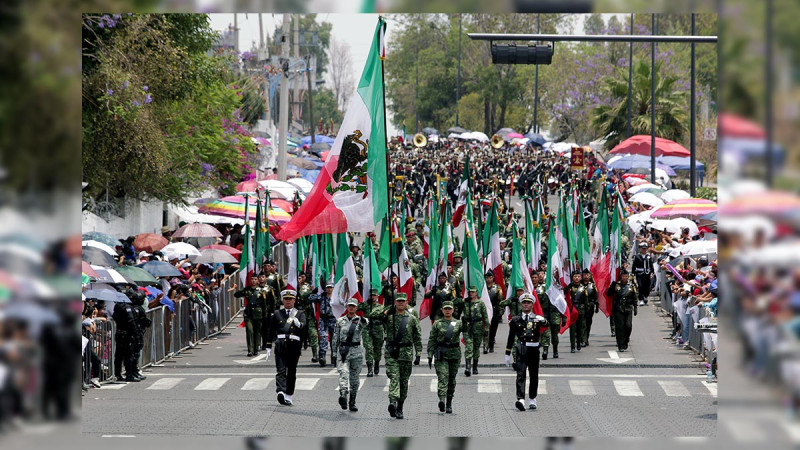
In the vibrant city of Puebla, Mexico, the streets are alive with a cacophony of mariachi music and the scent of freshly made tacos wafts through the air. Today, May 5, 2026, marks another Cinco de Mayo celebration, a day steeped in history and cultural significance. Although often confused with Mexico's Independence Day, Cinco de Mayo commemorates a pivotal moment in Mexican history: the Battle of Puebla, fought on May 5, 1862, where Mexican forces led by General Ignacio Zaragoza defeated the French army.
The Battle of Puebla: A Turning Point in Mexican History
The Battle of Puebla was a decisive moment in the Franco-Mexican War. Despite being outnumbered and outgunned, the Mexican army, largely composed of indigenous and mestizo soldiers, managed to repel the French forces. This victory was a significant morale boost for the Mexican people, who had been struggling against French intervention and internal political turmoil. The battle is celebrated in Mexico, particularly in the state of Puebla, where it remains a symbol of national pride and resilience.
Cinco de Mayo in the United States: A Blend of Heritage and Festivity
While Cinco de Mayo is primarily celebrated in Puebla, Mexico, it has also gained significant traction in the United States. In the U.S., the holiday has evolved into a broader celebration of Mexican-American culture, featuring vibrant parades, traditional dances, and an array of Mexican cuisine. The festivities often include mariachi bands, colorful floats, and a bustling atmosphere filled with the hum of excitement.
However, it's essential to note that the significance of Cinco de Mayo differs between the two countries. In Mexico, the day is more somber, focusing on the historical event and its importance to national identity. In the U.S., it has become a larger celebration of Mexican-American culture, often blending traditions and fostering cultural exchange. —The nuances of this celebration are a testament to the enduring influence of Mexican heritage in both countries.
Beyond the Parades: The Cultural and Historical Significance of Cinco de Mayo
Cinco de Mayo is more than just a day of festivities; it is a celebration of resilience, unity, and cultural pride. The holiday underscores the importance of remembering historical events that have shaped a nation, as well as the enduring legacy of cultural heritage. In Puebla, the day is marked with solemn parades, religious services, and reenactments of the battle, emphasizing the historical significance of the event.
In the United States, Cinco de Mayo provides an opportunity to celebrate and honor the contributions of Mexican-Americans to the cultural tapestry of the country. It is a day to recognize the rich heritage, traditions, and values that Mexican-Americans bring to the table, fostering a deeper understanding and appreciation of diversity and cultural heritage.
—“Cinco de Mayo is a reminder of the resilience and spirit of the Mexican people. It's a day to celebrate our heritage, our culture, and our history. It's a day to honor those who fought and died for our freedom and our sovereignty. And it's a day to look back at how we have come so far and to honor those who paved the way for us, said Mexican President Ricardo Rueda.”
Cinco de Mayo is a celebrated holiday throughout parts of Mexico and the United States, a day filled with vibrant cultural expressions, historical remembrance, and the joyous spirit of unity. As the world continues to evolve, the significance of Cinco de Mayo remains a beacon of pride and resilience, reminding us of the power of cultural heritage and the enduring legacy of historical triumphs.
How does this story make you feel?
 Up next · EntertainmentMet Gala 2026: Alysa Liu Makes a Splash Among Sporting Icons